

As coalition horse-trading intensifies, both sides look for defectors to peel off
With neither bloc securing majority, Yashar and Likud are both reportedly searching for weak links in each other’s ranks to either bolster a governing coalition or break it apart

 Add ToI as a Preferred Source on Google
Stav Levaton is a military reporter for The Times of Israel

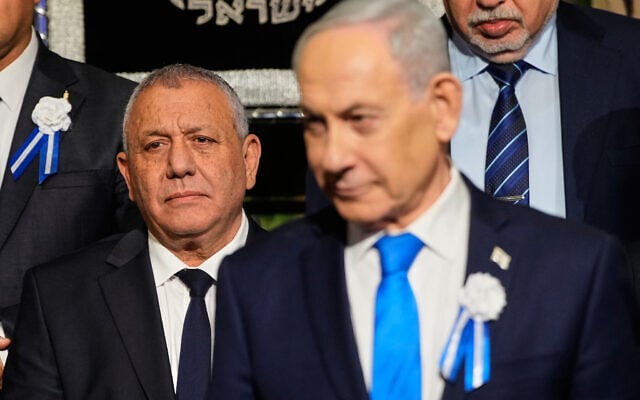
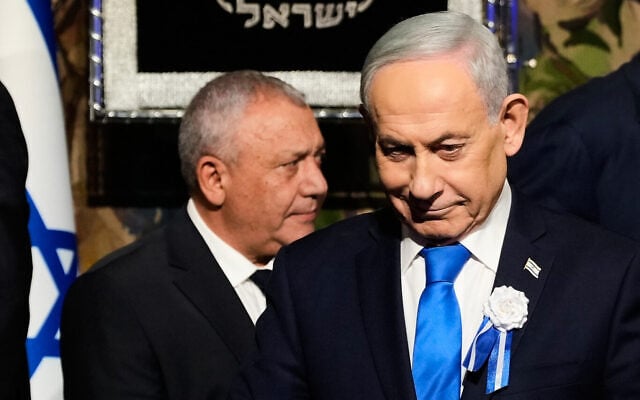
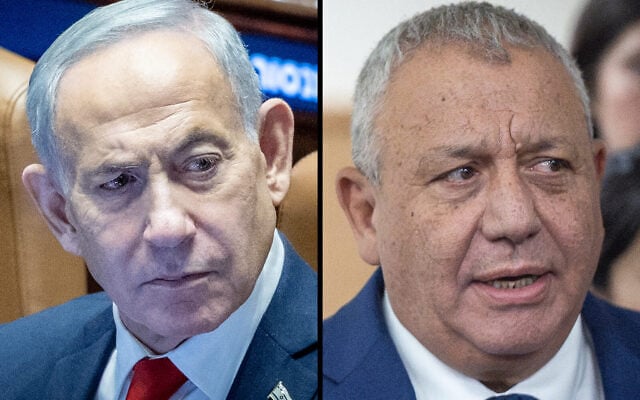
With Yashar chairman Gadi Eisenkot inching closer to swearing in a government, efforts by both his party and Prime Minister Benjamin Netanyahu’s Likud to drive wedges within rival parties and recruit lawmakers from each other’s ranks could take on renewed significance.
Lacking the needed 61 seats for a majority coalition, Eisenkot is reportedly considering establishing a minority government after which he would seek to broaden his coalition from a position of power, potentially looking to Likud lawmakers to bolster its ranks.
Meanwhile, Likud has reportedly sought to identify members of Yashar who may be unwilling to back a government reliant on the support of Arab parties in hopes of peeling them off.
Neither Netanyahu’s bloc nor the alliance of four Zionist parties led by Eisenkot emerged from the October 27 election with a Knesset majority. Given first shot at forming a government, Eisenkot has sought to widen his camp by adding politicians from across the aisle, as well as from Arab parties considered outside the Zionist consensus.
As he does so, some politicians uncomfortable allying with Arabs or unwilling to go along with concessions may become more liable to break ranks and withdraw support or switch sides.
Recruitment efforts on both sides, however, are complicated by a series of legal restrictions designed to discourage political defections, limiting the incentives the rival parties can offer prospective turncoats and potentially jeopardizing the renegade lawmakers’ political futures.
The cost of breaking ranks
Under legislation introduced in 1991 to discourage political horse-trading, lawmakers who defect from their parliamentary factions without meeting the conditions for a legally recognized split face a series of sanctions.
MKs formally declared defectors can retain their Knesset seats as independents but cannot join another existing parliamentary faction for the remainder of the Knesset’s term; nor can they serve as ministers or deputy ministers while remaining lawmakers.
They also face restrictions on running in the next election with parties represented in the outgoing Knesset unless they resign their seats.
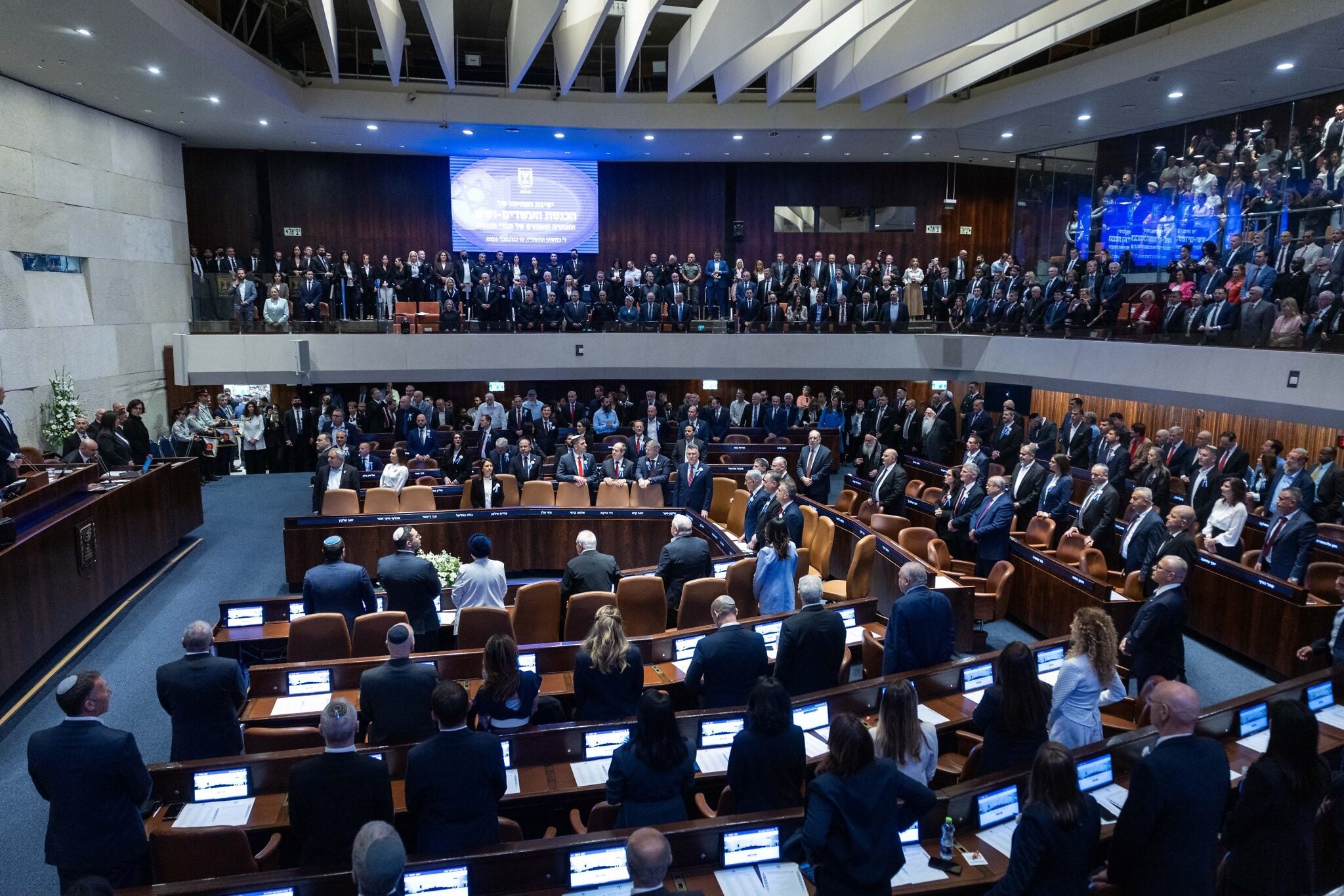
However, the law does not automatically strip defectors of their seats or prevent them from voting in favor of a government led by a rival party.
Nor does every vote against a faction’s position necessarily constitute a defection.
“Defection is not automatic: the matter must be brought before the Knesset House Committee, usually by a faction seeking to have one of its MKs formally declared a defector,” Assaf Shapira, head of the Israel Democracy Institute’s Political Reform Program, told The Times of Israel.
Basic Law: The Knesset only addresses votes of confidence or no confidence cast against a faction’s position in exchange for a benefit — a provision introduced in the wake of the 1990 political affair known as the “Dirty Trick,” in which Shimon Peres sought to topple the Likud-led unity government and form an alternative coalition by recruiting lawmakers from rival factions.
Shapira noted that the law’s definition of defection is somewhat vague, meaning lawmakers who don’t explicitly announce their departure from their faction can still be declared defectors and incur sanctions.
While occasionally voting against one’s faction in ordinary parliamentary votes would probably not constitute defection, he said, “if it happens regularly, or in critical votes such as a vote of confidence in a new government, the faction would have strong grounds to ask the House Committee to formally declare the MK a defector.”
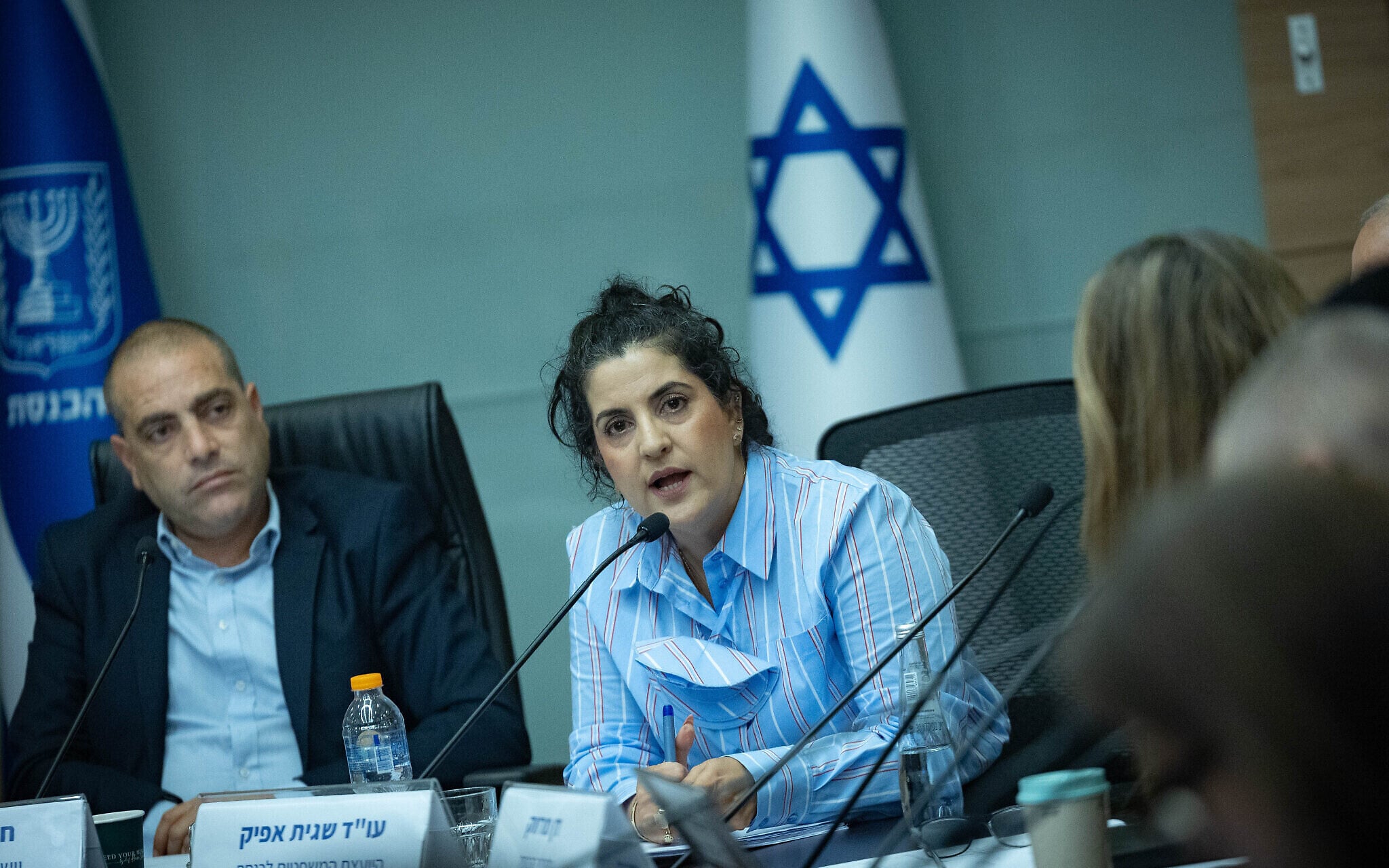
A key provision in the law distinguishes between individual defections and collective breakaways.
Under Section 59 of the Knesset Law, a group comprising at least a third of a parliamentary faction can split off and establish a new faction without incurring the sanctions associated with defection.
In the current Knesset, that would require nine Likud lawmakers or seven Yashar lawmakers to break away together — a scenario Shapira described as “hardly realistic.”
Looking within Likud
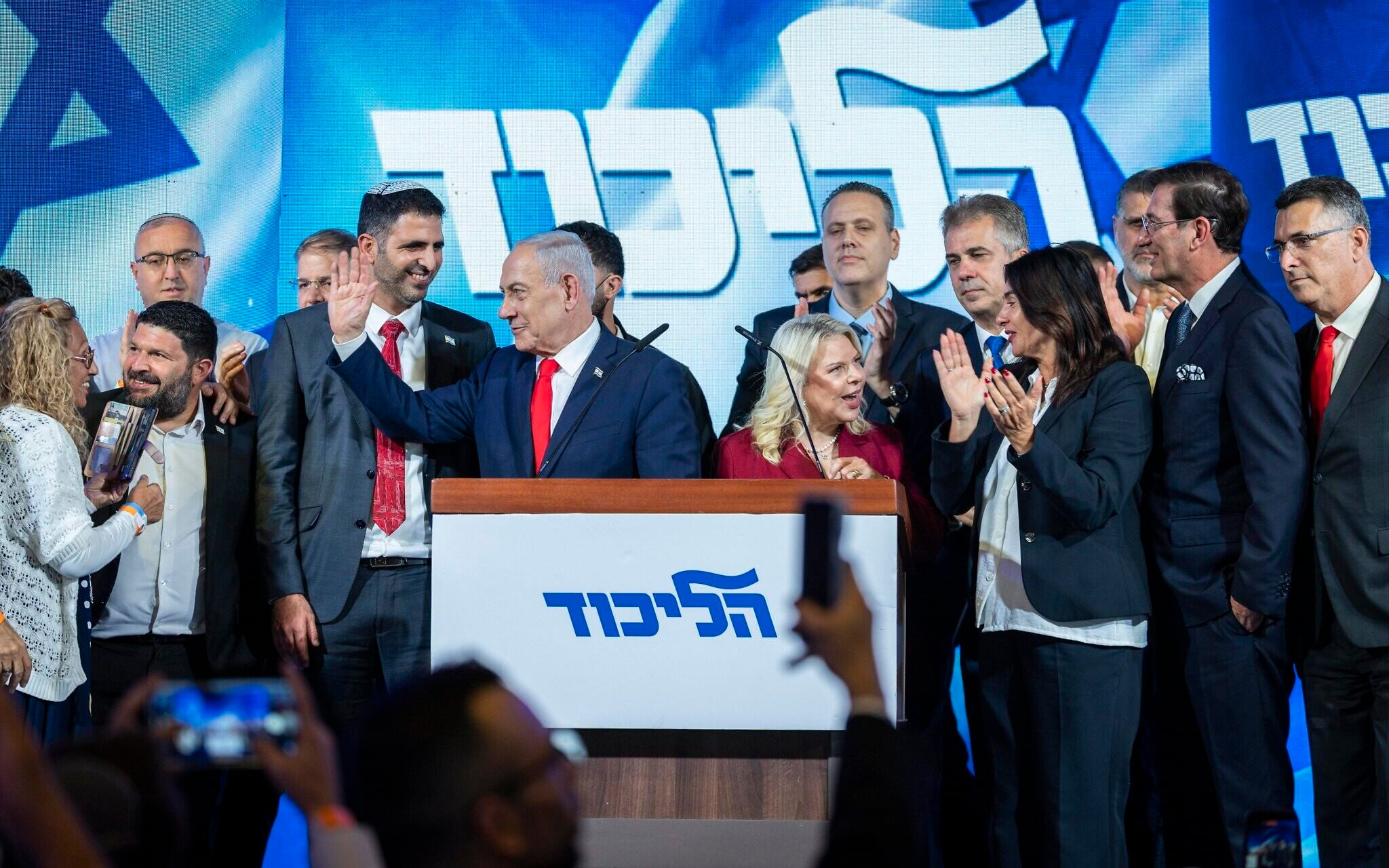
Still, Eisenkot has reportedly attempted to get at least some Likud members to switch sides. Even before Israelis went to the polls, Eisenkot acknowledged that he had been in contact with Likud lawmakers, telling Channel 13 on the eve of the election that while none were prepared at the time to break ranks, some had expressed frustration with Netanyahu’s conduct.
“They’re not wavering right now, but they feel fed up with the culture of lies and the policies Netanyahu is pursuing, and with the way he has created a deep rift,” he said.
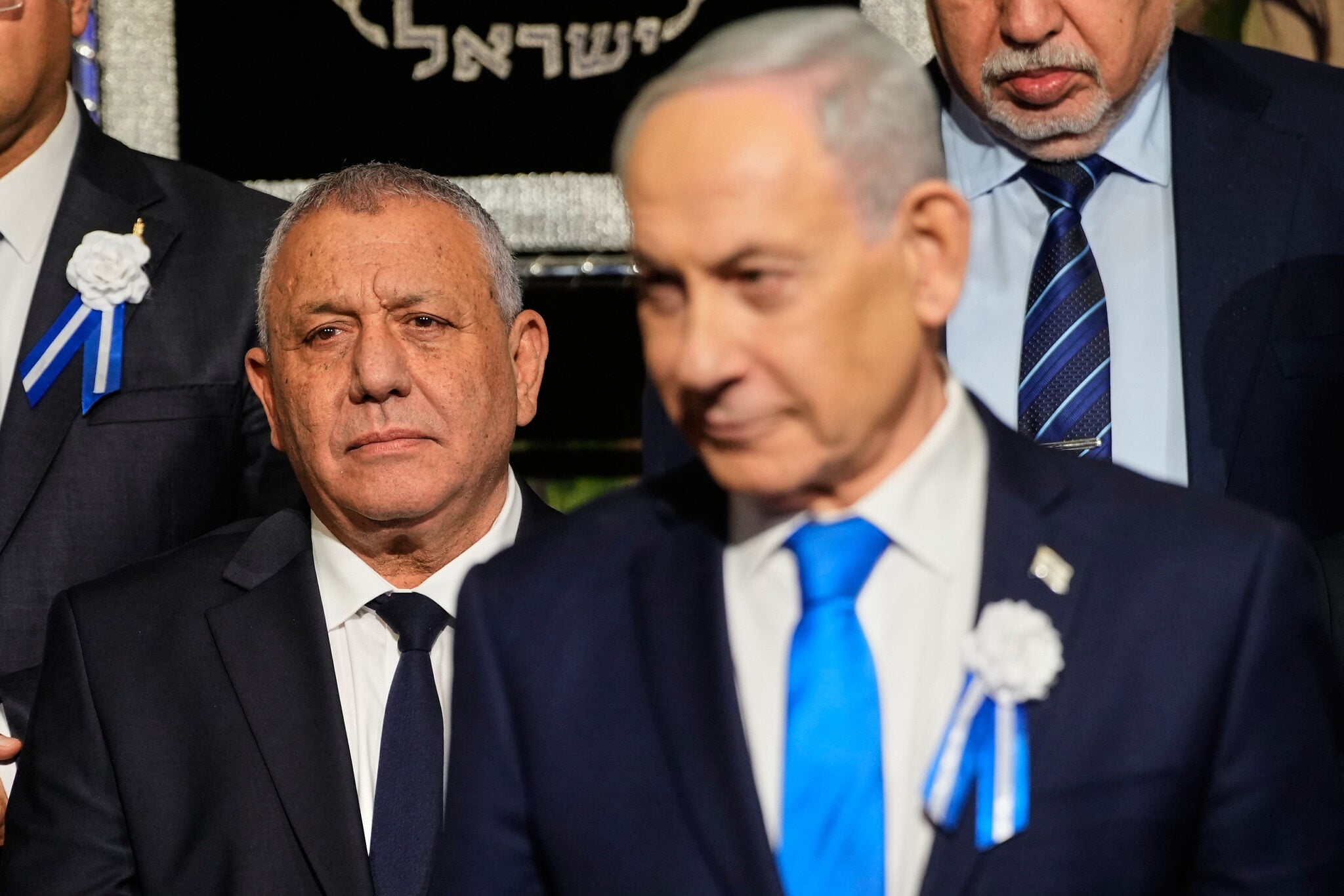
Yashar MK Matan Kahana, who has since been elected Knesset speaker, told the same thing to the Srugim news outlet ahead of the vote.
“We’re in contact with Likud lawmakers,” he said. “I think there are Likud lawmakers Gadi speaks with more than Netanyahu does.”
Two days after the election, the Israel Hayom newspaper reported that Eisenkot’s camp had identified Likud MKs David Bitan, Nir Barkat and Etty Atia as potential recruits, with veteran Likud lawmaker Haim Katz also mentioned as a possible target.
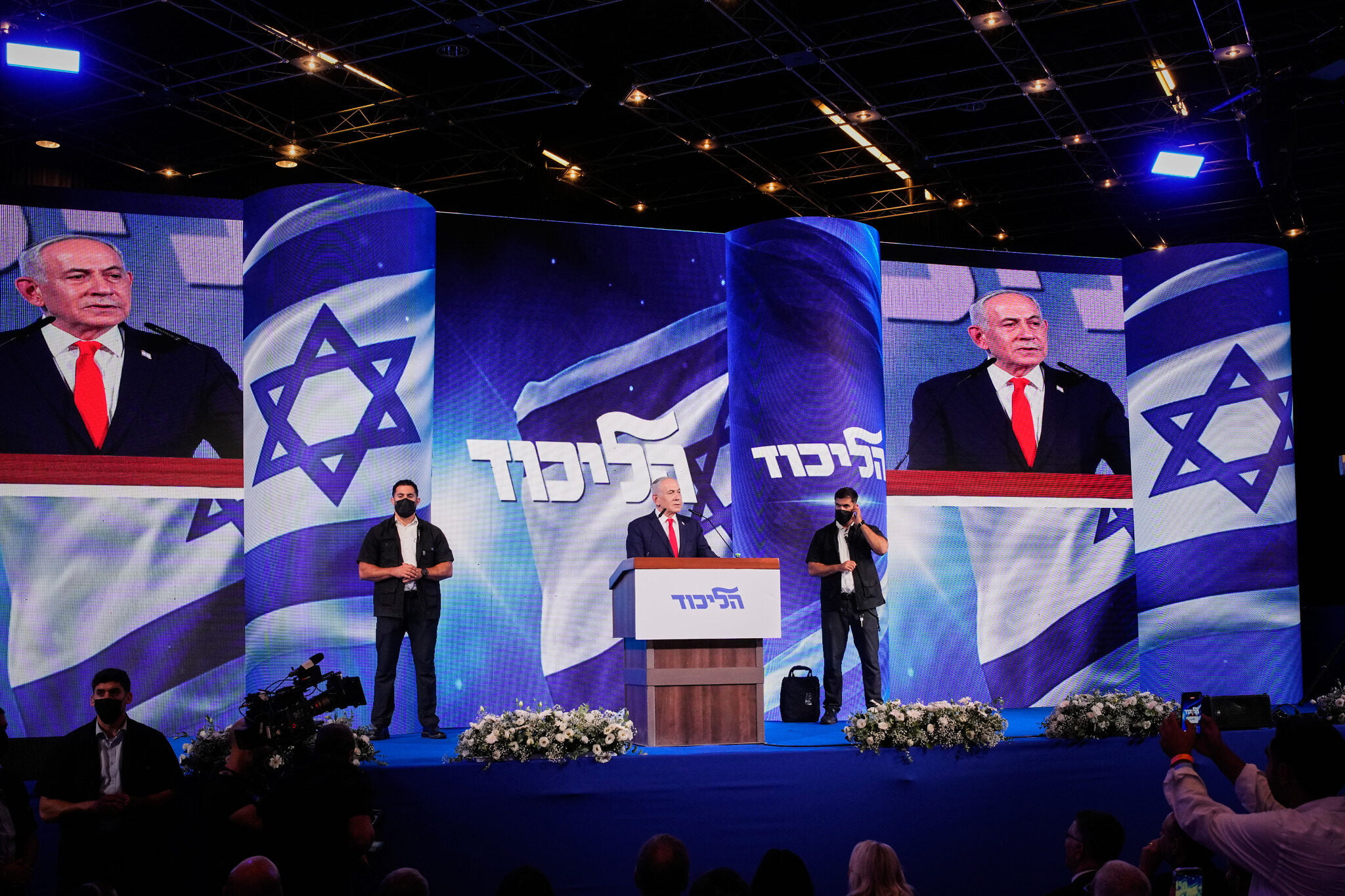
While some of the lawmakers reportedly acknowledged being approached by the rival bloc, Bitan, Barkat and Atia all categorically denied any intention of defecting.
There has been no public indication that any of the lawmakers have since agreed to break ranks, though Netanyahu’s potential removal from power could change the political calculus for some members of his party.
Likud did not respond to a request for comment on the matter.
Talks between Eisenkot and Likud about forming a unity government, with Netanyahu returning to the premiership after handing the reins to the Yashar head for the next two years, ended without apparent progress and with significant gaps remaining between the sides on several core issues.
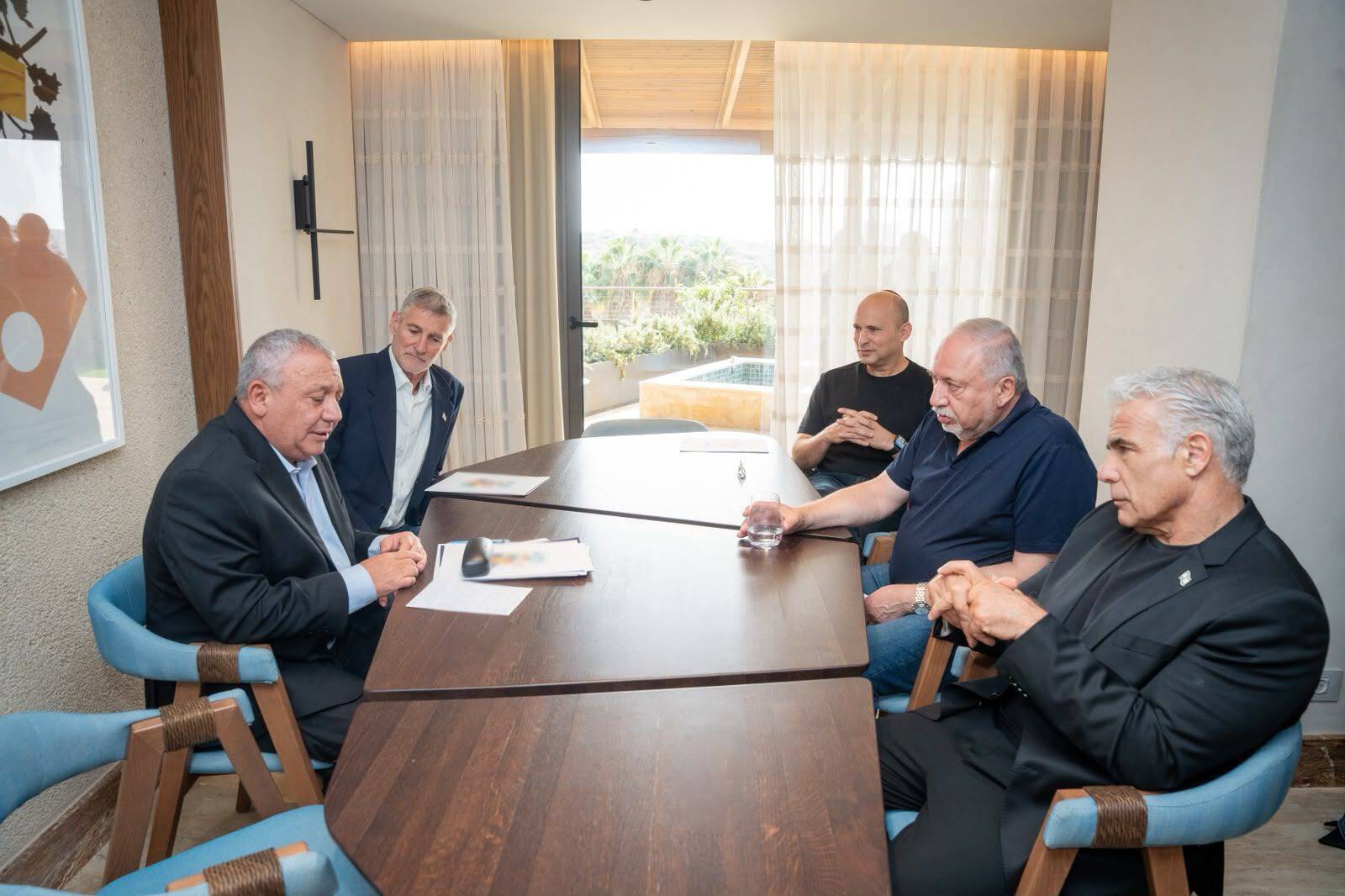
Netanyahu’s Saturday night proposal dropping his demand to go first in a rotation came a day after Eisenkot said he intended to form a government before his mandate expires on December 6.
Under a framework reported by Channel 12 last week, Eisenkot would initially establish a minority government with only a handful of key ministers, relying on outside support from Arab lawmakers, then seek to bring additional coalition partners on board and fill vacant ministerial posts. Should those efforts fail to yield a parliamentary majority, the government would reportedly move to dissolve the Knesset and call a repeat election.
Winning over Likud lawmakers could help Eisenkot avert another election while reducing or eliminating his dependence on the Arab-majority parties, whose role in sustaining a government remains a point of contention within his own bloc.
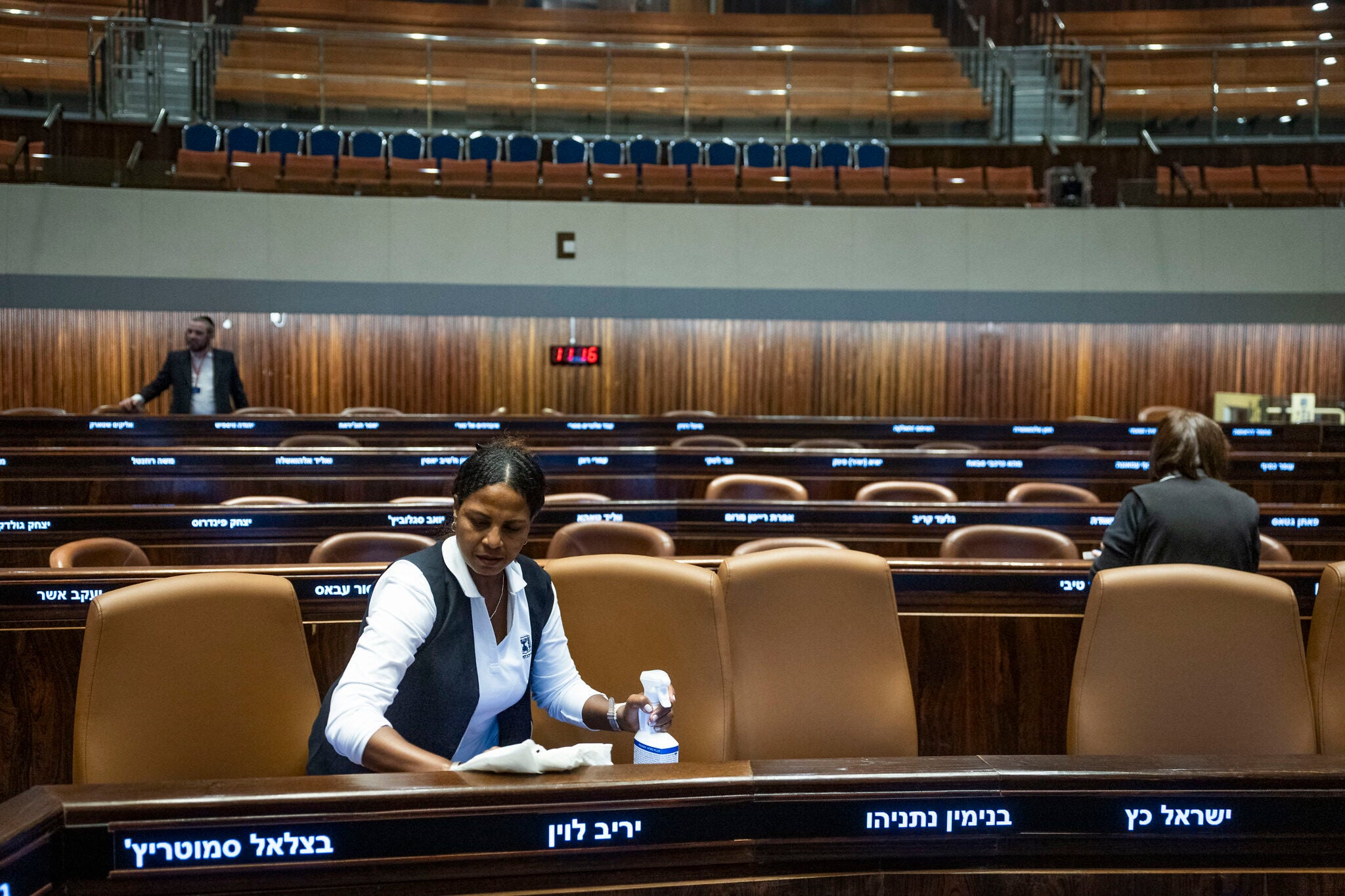
However, the sanctions imposed on defectors could complicate efforts to recruit veteran Likud lawmakers, particularly if Eisenkot cannot guarantee their political futures.
“Career politicians, such as those in Likud, would need political assurances about their future in order to defect from their faction. This is difficult, given the sanctions imposed on defectors, but it is not impossible,” Shapira said.
While Yashar could offer such lawmakers positions as chairs of Knesset committees, he explained, it could not guarantee them spots on its slate in the next election if they were formally declared defectors and didn’t give up their seats.
There is, however, another potential avenue for Likud lawmakers who might wish to help Eisenkot form a government without jeopardizing their political careers.
“Another possibility is that defectors from Likud could vote in favor of a government headed by Eisenkot and then immediately resign from the Knesset,” Shapira said. “In that case, under the law, they would not be subject to the sanctions imposed on defectors.”
Because cabinet members can come from outside the Knesset, the rebel lawmakers could “be appointed as ministers in the new government and run with Yashar in the next election,” he said.
Unease with Yashar
While the establishment of a minority government could offer Eisenkot an opportunity to peel away members of Likud, the prospect of such an arrangement also risks exposing fissures within his own party.
Likud has reportedly been conducting its own efforts to identify potential defectors, particularly among the more right-wing members of Eisenkot’s ideologically diverse party.
Ynet reported earlier this month that Likud had assembled a dedicated team of lawmakers and strategic advisers before the election tasked with identifying potential recruits from Yashar, focusing on candidates with right-wing backgrounds, religious affiliations and reservations about political cooperation with the Arab parties.
Yashar MK Shaul Meridor, son of former Likud minister Dan Meridor, dismissed the prospect of defections at the time, saying the party had carefully vetted its candidates.
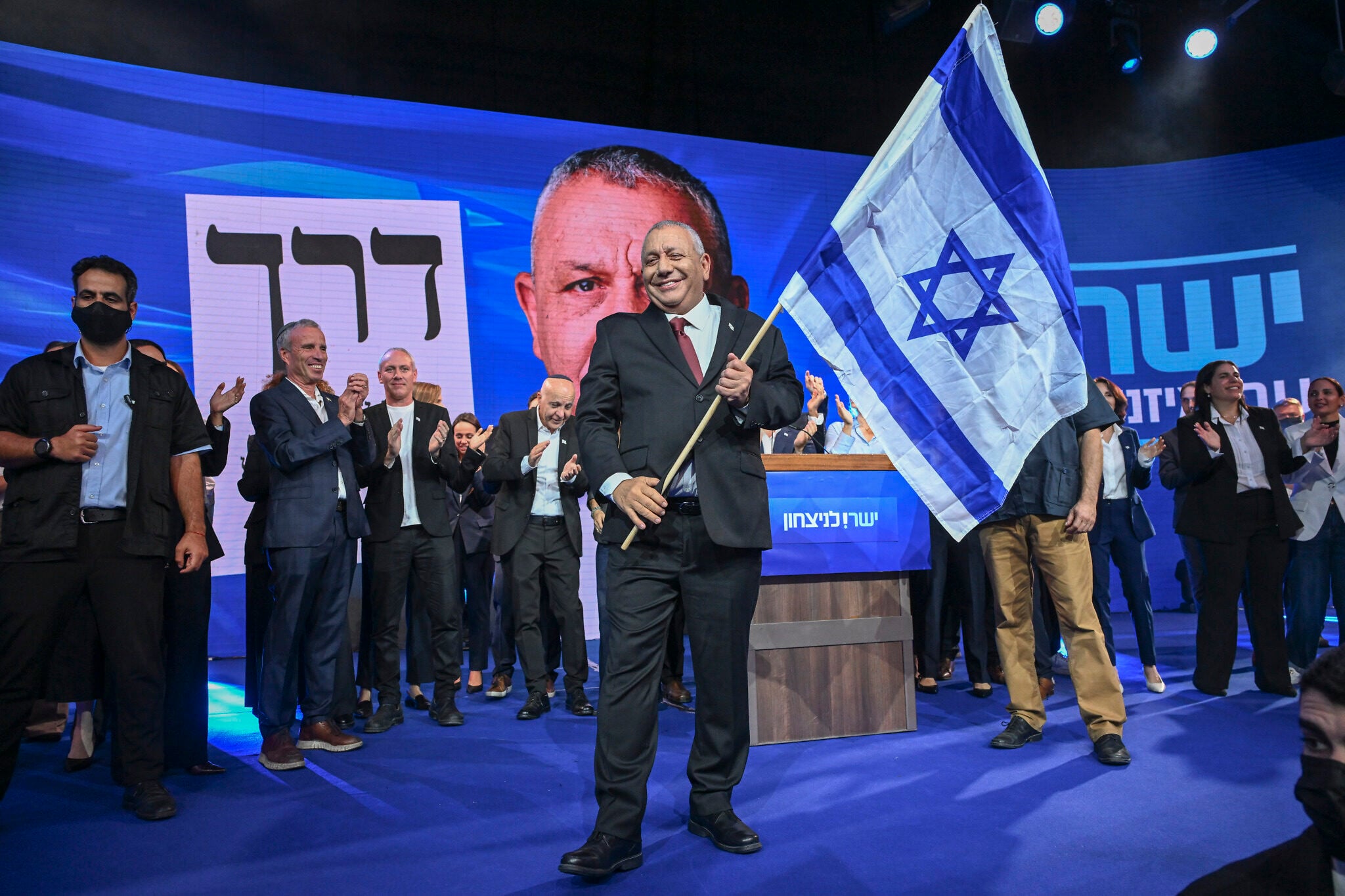
Yet the prospect of being part of a minority government dependent on the support of Arab lawmakers has raised qualms among some members of his bloc, sparking speculation that they could jump ship.
Ynet reported November 21 that some Yashar lawmakers could refuse to support such a government, potentially opting to resign from the Knesset. The report did not identify the lawmakers in question.
Unlike Likud’s mostly veteran ranks, Yashar’s lawmakers, many of whom are new to politics, may have less to lose from incurring the sanctions associated with defection, Shapira suggested.
“I assume that for those who have only just entered the Knesset, who have no long-standing political career and no ambition to pursue one — perhaps some of the MKs in Yashar — these sanctions may be less of a deterrent,” he said, stressing that he was not speculating about the intentions of any particular MK.
“It might therefore be easier to persuade them to defect from their faction, whether out of personal conviction or as a result of pressure on them and their families. This is especially true with regard to new MKs living in specific communities, such as religious ones.”
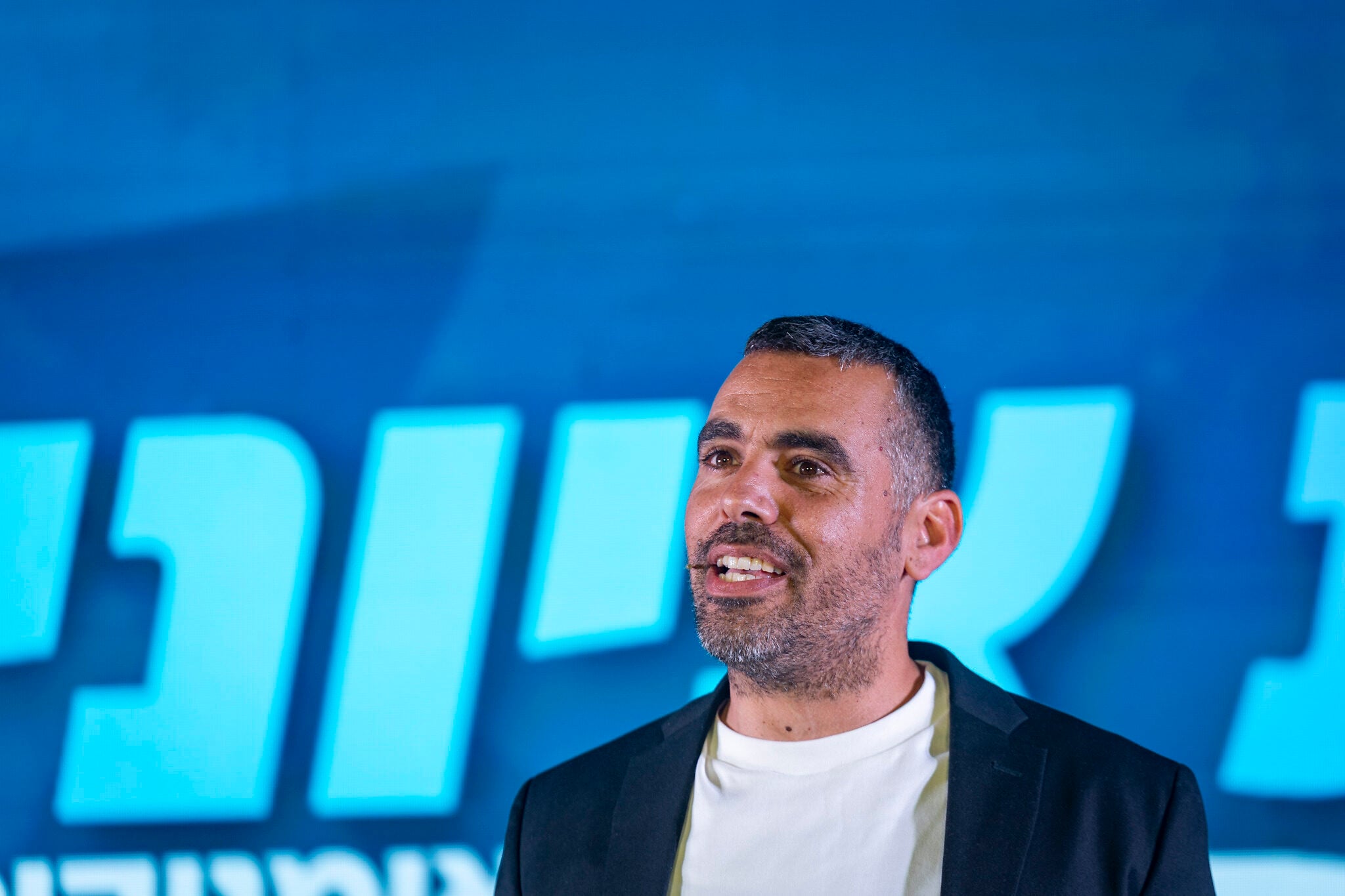
One freshman Yashar MK whose position has come under particular scrutiny is Elyasaf Peretz, the son of Israel Prize laureate Miriam Peretz. She became a household name after her eldest son, Uriel, was killed fighting in Lebanon in 1998, and in 2010, the MK’s younger brother, Eliraz, was killed on the Gaza border.
Earlier this month, Peretz said that her son would give up his Knesset seat rather than sit in a government alongside Arab parties.
“If his party sits with an Arab party, he has said he will resign from the Knesset,” Miriam Peretz told the ultra-Orthodox Kol Barama radio station on November 12, adding that her son was facing pressure from unnamed sources over the issue.
Her remarks prompted Otzma Yehudit MK Tally Gotliv to urge the younger Peretz to defect rather than resign, pointing out that relinquishing his seat would merely allow another Yashar candidate to enter the Knesset in his place.

Eisenkot subsequently sought to downplay the possibility of a rebellion within his ranks.
“I embrace Miriam Peretz, and I trust Elyasaf. I know that he trusts me and the choices that I make, and will make,” the Yashar chairman said.
Channel 12 reported that in the worst-case scenario, Eisenkot’s circle believes that Peretz would resign and give his spot to the next representative on the Yashar list, rather than bolt to the Netanyahu coalition.
Yashar did not respond to a request for comment on the matter.
Miriam Peretz subsequently acknowledged that her remarks had caused “hurt” to a community she “respects” and she called for unity, though she did not explicitly retract her assertion regarding her son’s intentions.
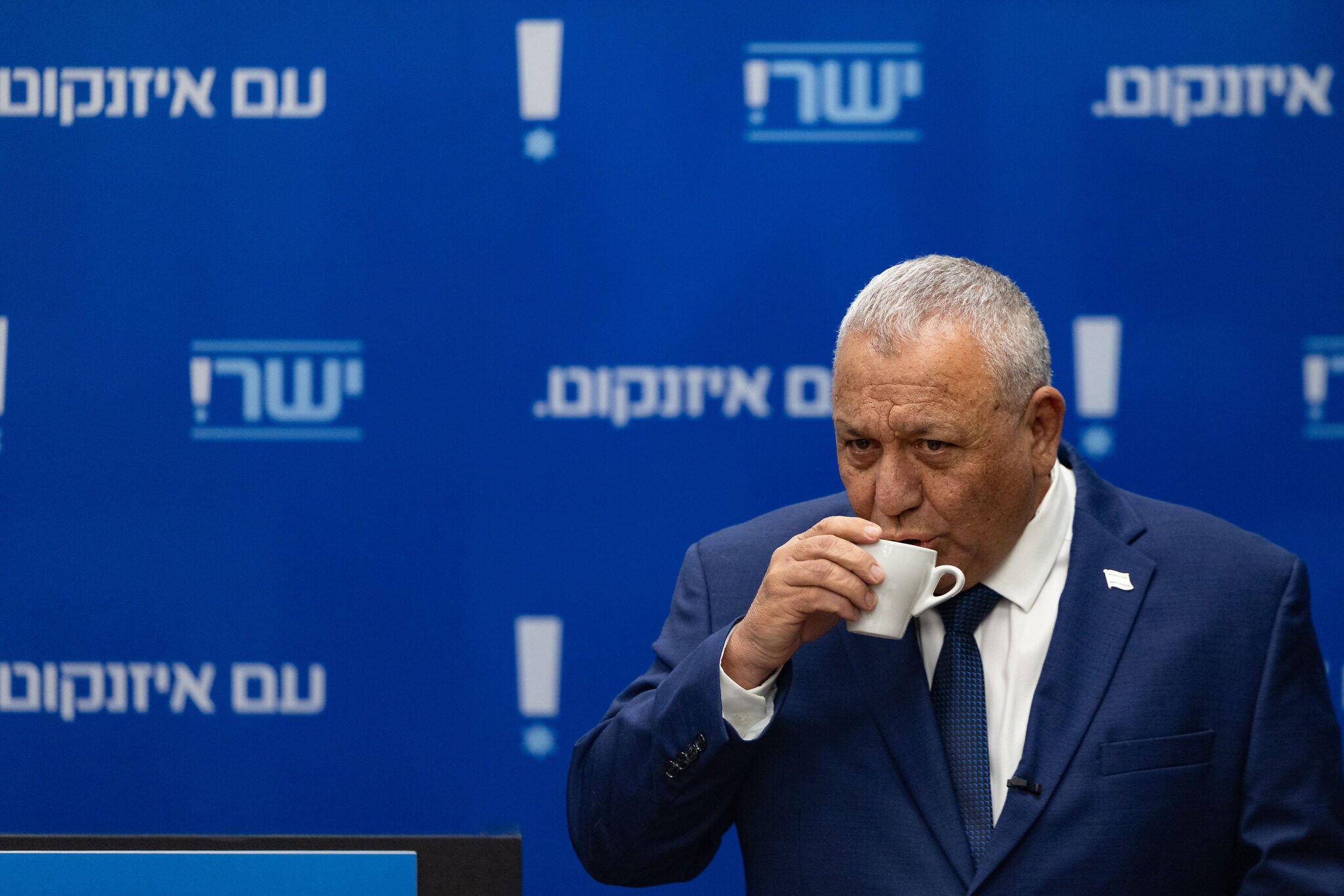
Amid mounting speculation over the possibility of a minority government, Channel 12 reported Tuesday that Eisenkot held a one-on-one meeting with Peretz at the Knesset, though the subject of their discussion was not known.
Responding to suggestions that he would leave Yashar, Peretz categorically rejected the possibility of defecting, saying, “Defection? There’s no such word in my vocabulary.”
Searching for cracks
Signs of dissent have also emerged beyond Likud and Yashar, with lawmakers in Yisrael Beytenu and B’Yachad also expressing opposition to a government reliant on the support of Arab parties.
Yisrael Beytenu MK Sharon Sharabi, whose brothers were kidnapped by terrorists on October 7, has reportedly voiced opposition to a minority government.
During a meeting with bereaved families at the Knesset on Wednesday, Sharabi said that he would not be part of a government whose establishment was facilitated by Ra’am, even if the Arab-majority party merely abstained in the vote of confidence on the government’s creation, Channel 12 reported.
It remains unclear whether Sharabi would vote against the establishment of such a government or abstain.
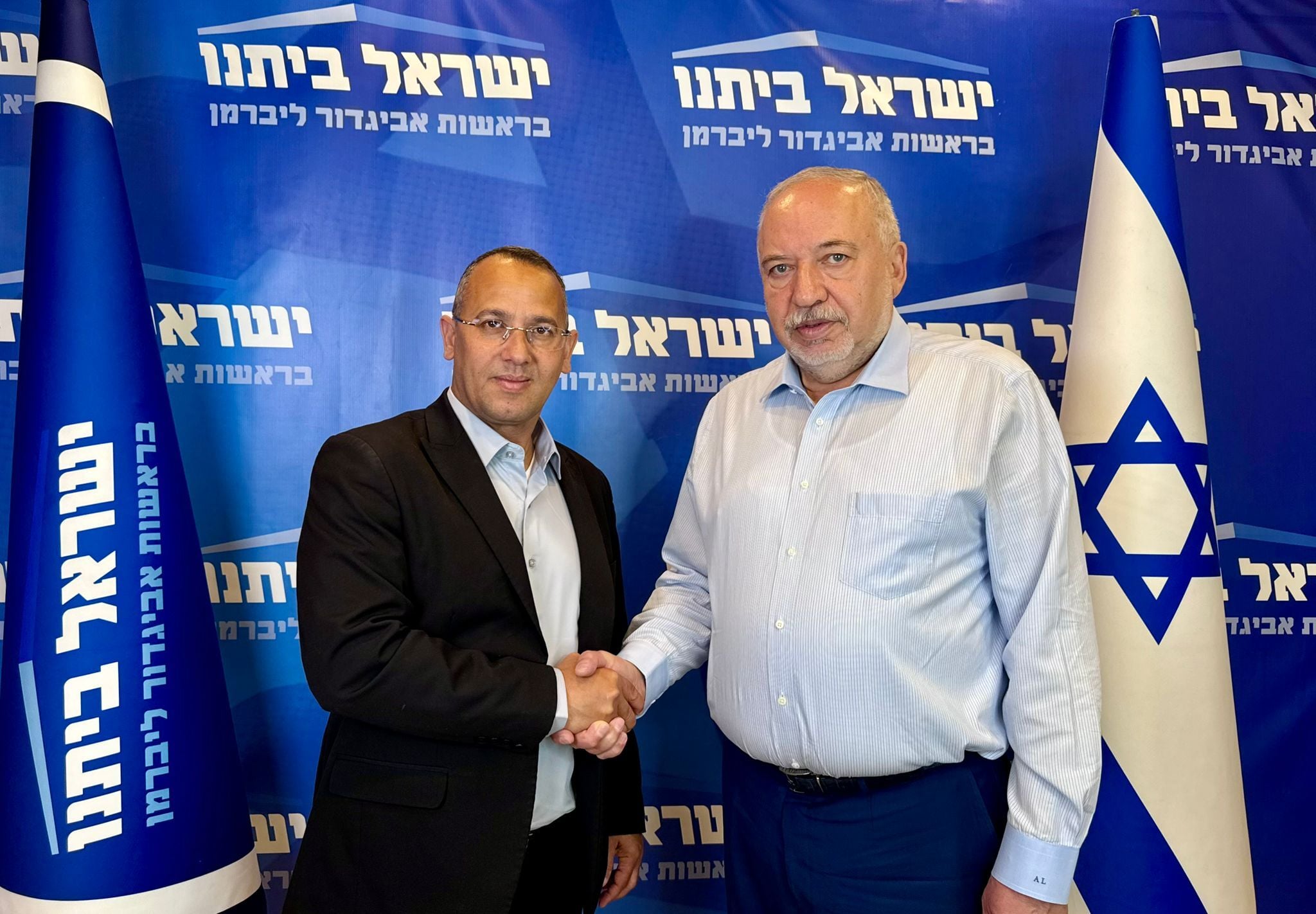
In a subsequent statement on X, Sharabi stressed that he remains “part of the Yisrael Beytenu party” and that he believes “in the party’s political path and in the leadership of its chairman,” but did not explicitly walk back his reported opposition to the minority government.
Channel 12 also identified B’Yachad MKs Tal Ohana and Yisrael Zeri as among those who have expressed opposition to the minority government option behind closed doors, though it remains unclear how they would vote if such a government were brought before the Knesset for approval.
Neither has publicly threatened to break with their faction, whose chairman, Naftali Bennett, has been pushing for a unity government with Likud while stopping short of ruling out alternative coalition arrangements.
Meanwhile, a different kind of rift has emerged within the ultra-Orthodox United Torah Judaism party, which has been engaged in increasingly intensive coalition negotiations with Yashar over a framework to preserve military draft exemptions for yeshiva students.
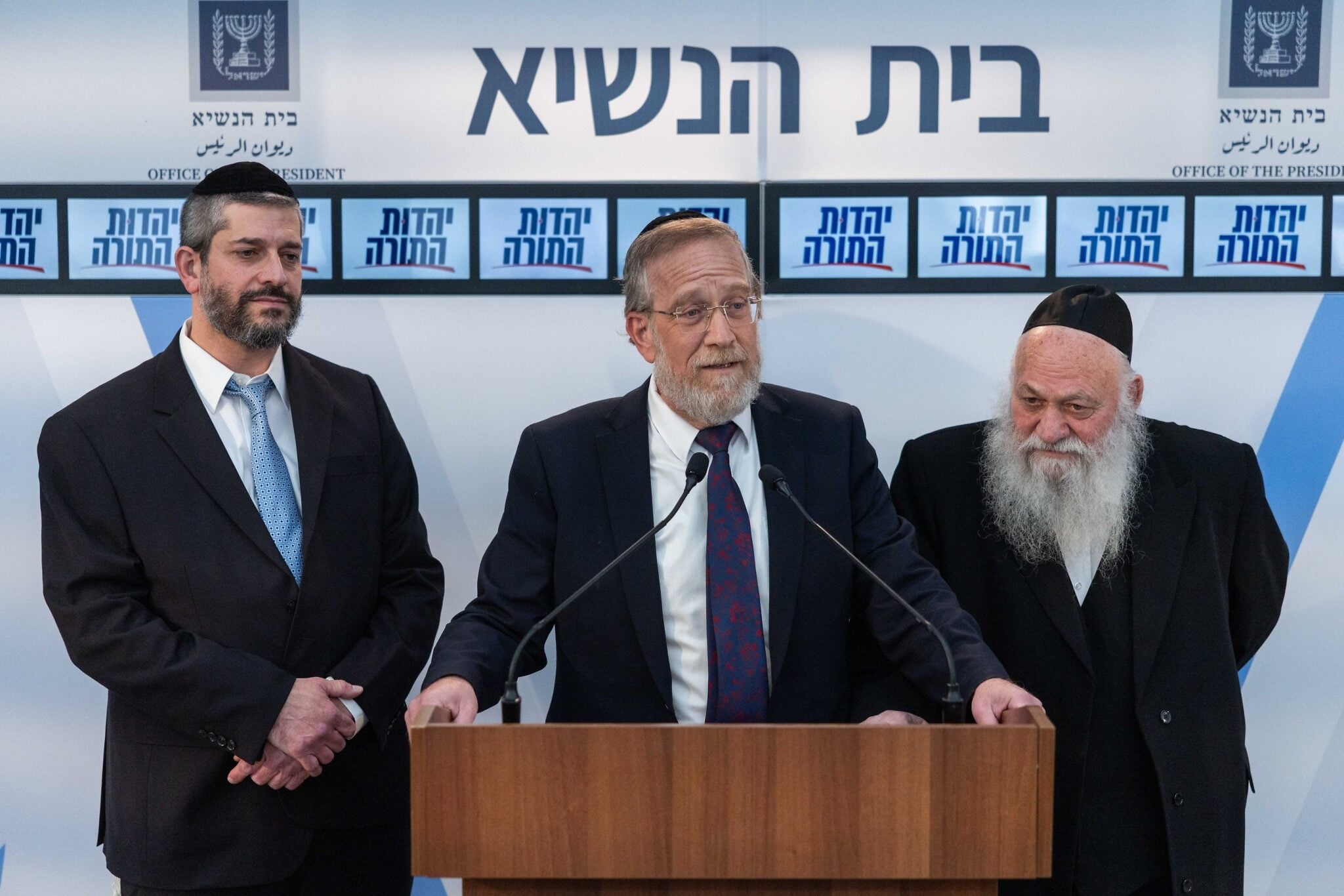
Netanyahu’s announcement Saturday that he would be willing to serve second in a rotation premiership with Eisenkot exposed divisions within UTJ over its preferred coalition arrangement.
UTJ MKs Meir Porush and Eliakim Stark, considered the two lawmakers most closely aligned with Netanyahu within the party, were briefed on the announcement in advance, Ynet reported.
Porush publicly welcomed Netanyahu’s willingness to make concessions, describing a unity government as the “preferred option,” while an unnamed senior UTJ official accused Netanyahu of abandoning the Haredim to remain in power.
“While Bibi and the right are preaching to the Haredim that they should not go with Eisenkot… Bibi agrees to be second in the rotation,” the source told Ynet, using Netanyahu’s nickname. “Bibi is now actively working against those who have protected him all these years.”
According to Israel Hayom, the four lawmakers belonging to UTJ’s Degel HaTorah faction, led by party chairman Yaakov Asher, are open to joining whichever bloc can provide a satisfactory solution to the conscription issue. Porush’s two-seat Homat Torah Yisrael faction favors Netanyahu, while Agudat Yisrael, headed by Yitzhak Goldknopf, reportedly favors any proposed alternative over sitting in a government with the longtime premier.

Unlike Likud and Yashar, UTJ comprises several political factions, meaning a split along existing party lines could circumvent the usual requirement that at least a third of a parliamentary faction’s lawmakers break away, making it easier for some to break off.
The Kan public broadcaster reported Sunday that Foreign Minister Gideon Sa’ar of Likud met with Rabbi Zvi Elimelech Halberstam, the leader of the Sanz Hasidic Dynasty, which Porush has close ties with, allegedly aiming to further exacerbate divisions within UTJ over whether to join Eisenkot.
Asher sought to downplay the divisions on Saturday, stressing that the party’s overriding concern was resolving the legal status of yeshiva students seeking exemptions from military service rather than determining the composition of the next government.





The Times of Israel Community.