

At Israel’s Archives Week event, a backstage look at the birth of modern Hebrew
From forgotten photographs and handwritten notes to aging microfilm reels, a weeklong series offers a rare glimpse of the documents curating the nation’s memory
Zev Stub is the Times of Israel's Diaspora Affairs correspondent.
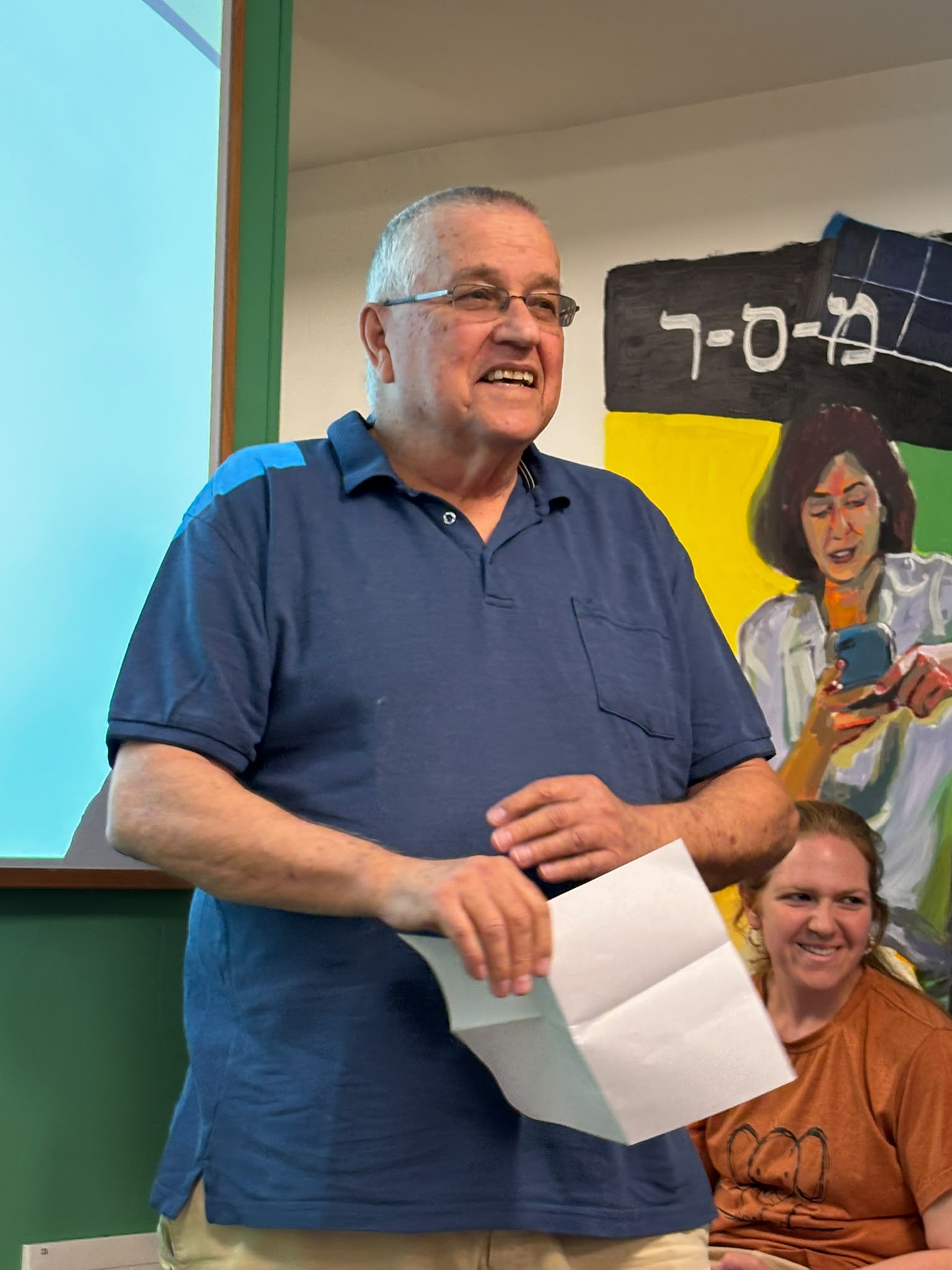
For Dudu Amitai, the manager of the archives at the Academy of the Hebrew Language, deciding what types of things should be kept or thrown away is more than just an issue of minimizing clutter. It’s an question of curating how our current reality will be seen by future generations.
“The job of an archive is to reflect the reality of the institution we represent,” Amitai told a crowd of about 60 people at the Academy’s center in Jerusalem Tuesday night. “The decision of what to preserve and what not to preserve means first understanding what exists right now, and then thinking about what about it will be relevant for a person in the future.”
Amitai presented his dilemmas this week at the Academy of the Hebrew Language’s “Archives Night,” part of a series of talks given around the country this week in honor of International Archives Week. For some, it provided a unique opportunity to look behind the scenes at the history of 40 of the country’s largest institutions.
“International Archives Day has traditionally been held on June 9, but in recent years, it has been expanded to a full week,” noted Lavi Shai, chairman of the Israeli Association for Archives and Information, which manages the week’s festivities.
“As we launched this series this year, we decided to open up participation to all sorts of archives around the country, including those of organizations and cities. So far, it has been a phenomenal success, with great response.”
Over the course of the week, archive nights have been held at such diverse and historic organizations as the Jewish National Fund-KKL, the Knesset, Yad Vashem, the National Library of Israel, Israel Railways, the Israel Meteorological Service, the Israel Film Archive, and many others. Events around the country drew crowds of people interested in hearing the untold stories that shared a part in shaping Israeli history, Shai said.
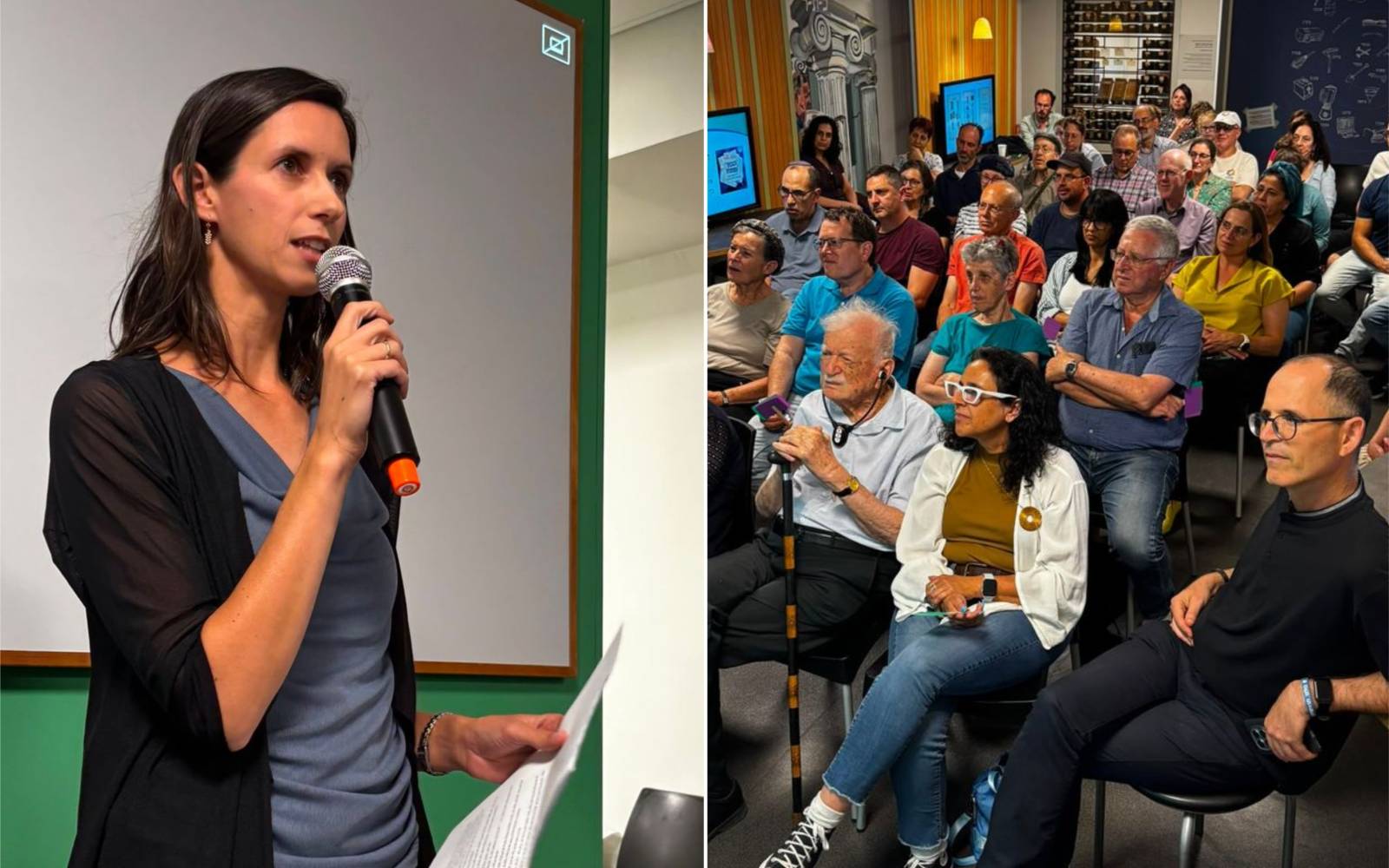
For Neta Dan, a researcher in the Academy of the Hebrew Language’s early modern Hebrew research department, the work of investigating the institution’s archives can sometimes feel dramatic and mysterious.
“Once, when I told someone that I work as a linguist, she misheard and thought I said I was a detective,” Dan laughed, noting that the Hebrew words for both sound very similar (balshanit vs balashit). “When I thought about it later, I realized that the two are very similar, because my academic research often requires certain investigative skills.”
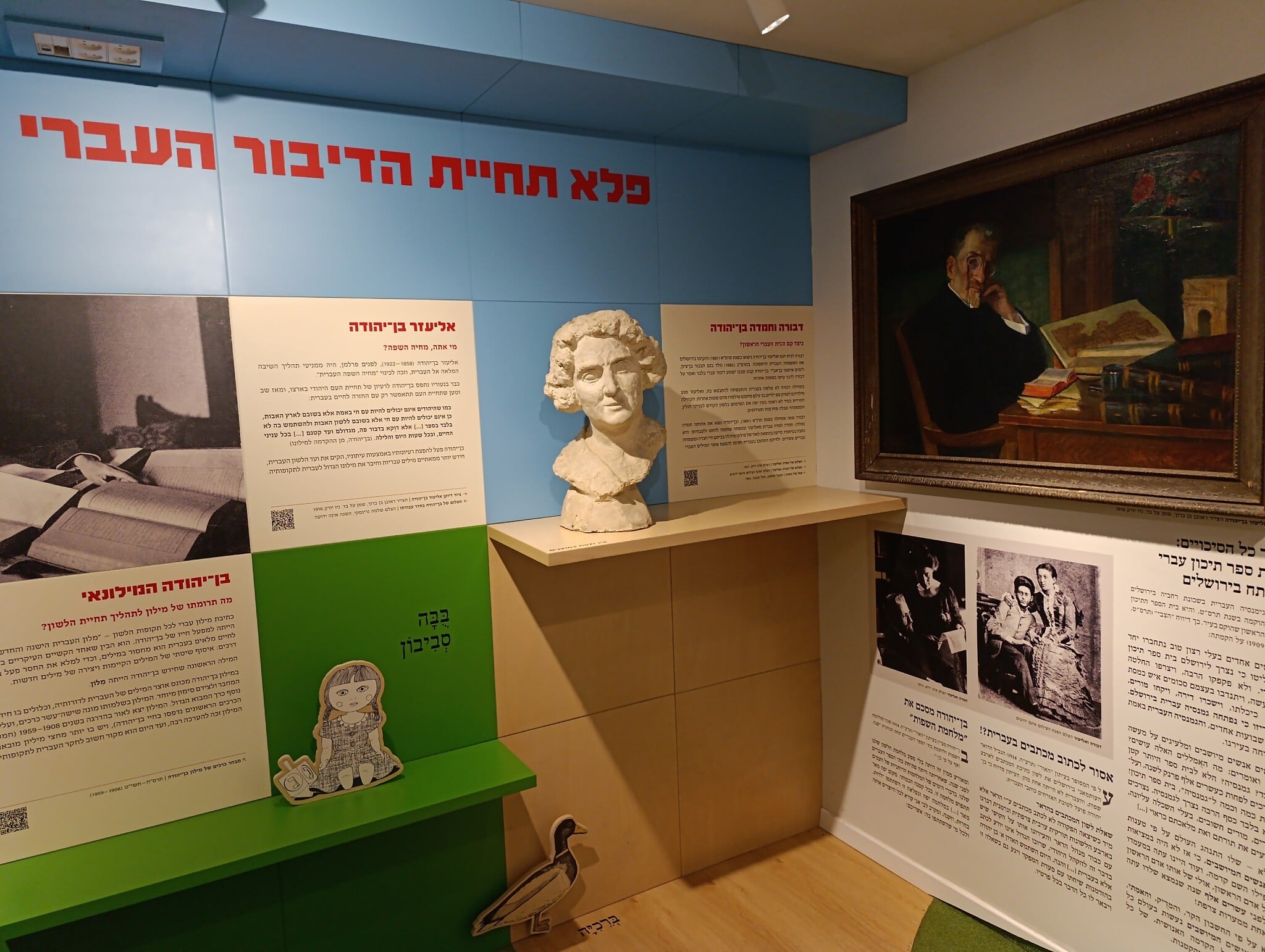
Dan, who specializes in studying the time period of Eliezer Ben Yehuda and his work reviving the Hebrew language for modern Israel, told of several times when she probed the institution’s archives to discover new details of history.
In one case, two mystery photographs discovered by chance led to identifying a 1913 gathering of Jewish writers and cultural figures in Vienna, Dan said. In another, a one-word handwritten comment on one of the notecards used by Ben Yehuda helped confirm the role of his chief assistant, Moshe Bar Nissim, in helping to write his seminal dictionary of the Hebrew language.
“For me, rummaging through the archives is an opportunity to do the detective work that allows us to give a platform to our greatest cultural treasures,” she said.
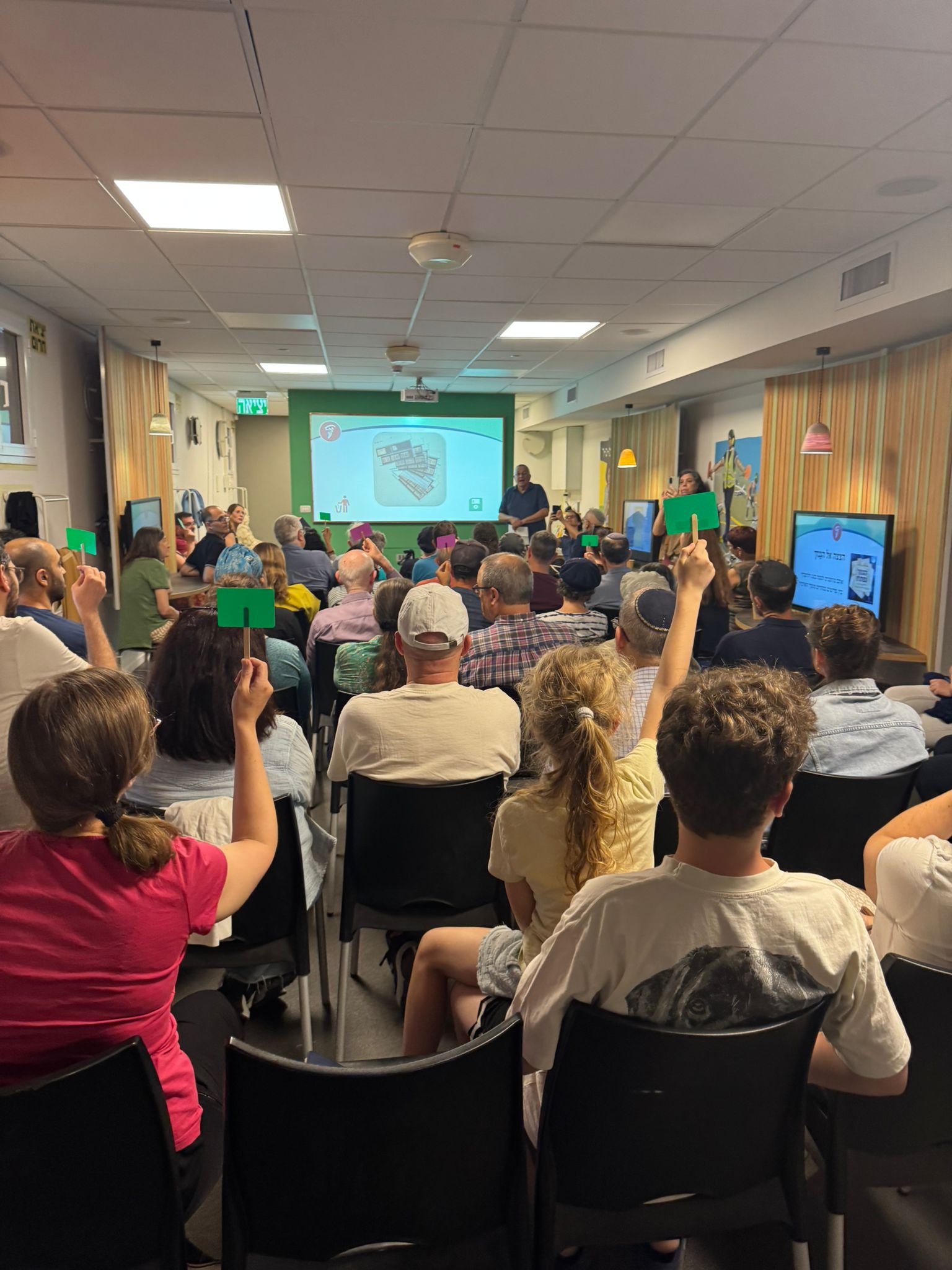
Amitai, meanwhile, engaged the audience in a game in which they were asked to think about whether certain items were worth archiving or not. An old photo was deemed worthwhile, especially when it was revealed to be a rare depiction of Ben Yehuda’s mother, as was the transcript of an academic committee meeting in which one member criticized another in fierce language.
Amitai got excited as he presented an old strip of microfilm that was standard for storing information through the 1970s.
“People don’t usually use microfilm today, but it is an extremely useful medium for archiving,” Amitai said as he held up an old floppy disk and a CD-ROM. “These other modern media formats were once popular, but they are very fragile, and not everyone today has the equipment to extract data from them. In contrast, microfilm lasts much longer, and all you need is a light source and a magnifying glass to read them.”
Dan came back and discussed the history of the Bar-Adon archive, a collection of audio recordings of Israeli-American linguist Aharon Bar Adon interviewing 250 leading Israeli figures about the Hebrew language in the 1960s and ’70s. Participants heard former prime ministers David Ben Gurion and Menachem Begin describe how they struggled to learn Hebrew for the first time, and author Isaac Bashevis Singer contemplate his connection to speaking Yiddish.
The Israeli Association for Archives and Information has about 400 members around the country, Shai said, and offers courses and professional training. Advances in artificial intelligence in recent years have made many of the archivists’ jobs faster and easier than ever before, allowing for more rapid development of the field, he noted.
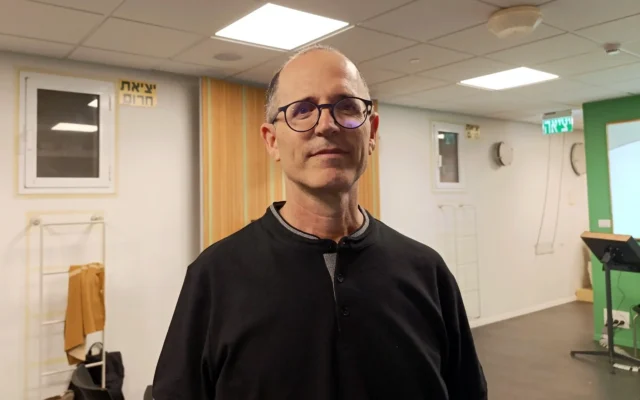
The role of an archivist remains relevant, Amitai said, and is necessary to chronicle the details of history, with all of its challenges, and effectively craft the story of our present day.
“Among our predecessors were some of the greats of Israeli history, and their works are important from a historical perspective,” Amitai said. “We have a lot of very interesting artifacts, including a lot that is very juicy.”







The Times of Israel Community.