

Bennett says government earmarking NIS 10 billion ‘for future coronavirus waves’
PM warns further outbreaks ‘could happen in another month, another six months, or not at all’; says finance minister agreed to ‘one-time expansion of the 2022 budget framework’
 Add ToI as a Preferred Source on Google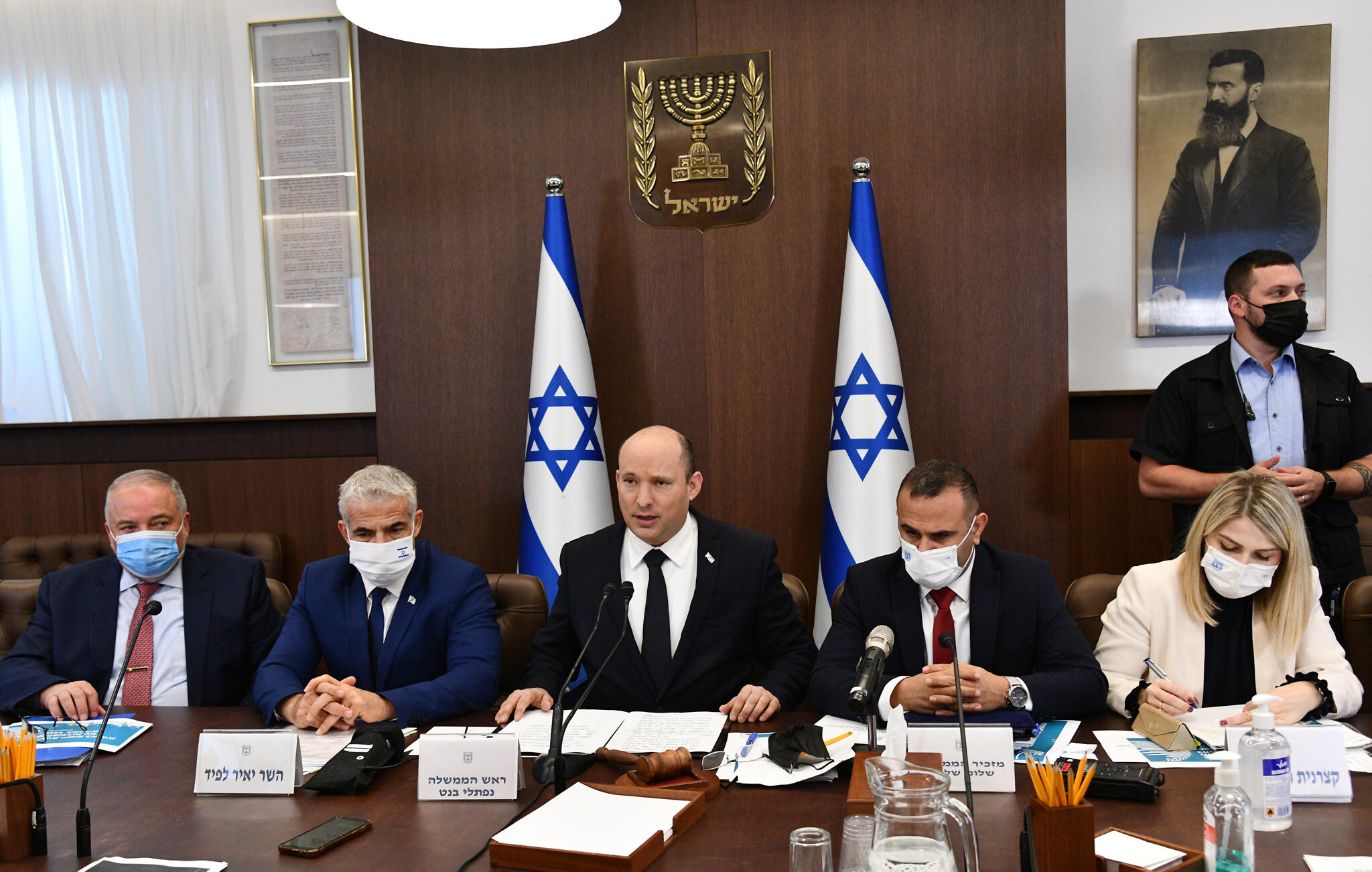
Prime Minister Naftali Bennett announced on Sunday that the government was earmarking an additional NIS 10 billion to deal with possible future coronavirus waves that “could happen in another month, another six months or not at all.”
Speaking at the opening of the weekly cabinet meeting in Jerusalem, Bennett said the country was “currently on the way out of the Delta wave” but that preparations must be made for the ongoing threat of further outbreaks.
“Alongside the success at this stage in dealing with the coronavirus, we are always looking to the future and preparing the ground for the possibility of future waves of the virus,” Bennett said.
“Therefore, I announce here that we are creating an economic and medical safety net of NIS 10 billion for future coronavirus waves that could happen in another month, another six months or not at all,” he declared, saying that the “one-time expansion of the 2022 budget framework” had been okayed by Finance Minister Avigdor Liberman.
“We will be prepared to continue to protect the citizens of Israel,” Bennett added.
It was not clear where the additional funds would come from, if implemented.
The two-year national budget currently making its way through the Knesset allocates NIS 432 billion ($135 billion) for 2021 and NIS 452 billion ($140 billion) for 2022.
The budget includes sweeping reforms of the kashrut establishment and the agriculture industry, steep taxes on disposable plasticware and sugary drinks, and considerable changes to import policies.
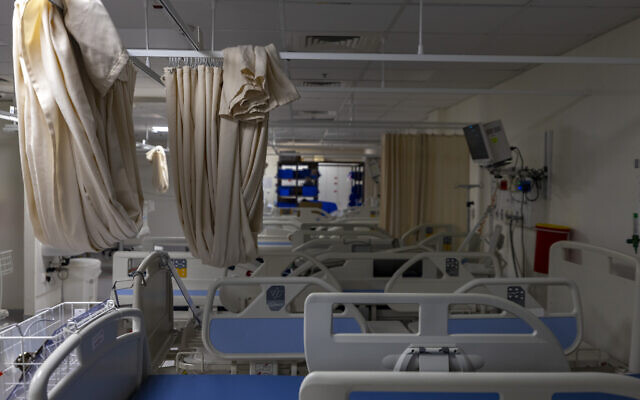
Health Minister Nitzan Horowitz reportedly secured a NIS 2 billion ($619 million) increase in funding for health care. The Health Ministry budget will now stand at NIS 5 billion ($1.5 billion).
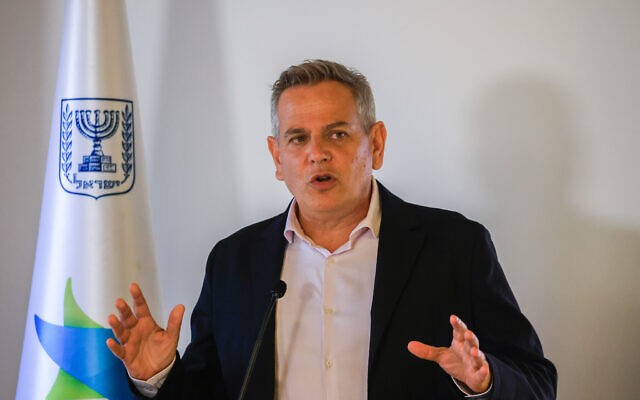
Horowitz had previously warned that the health system was “on life support and needs an urgent transfusion, irrespective of the coronavirus…. It is functioning in emergency mode and it’s impossible to continue like this.”
Failure to pass the pair of budget bills in second and third readings in the Knesset plenum by a November 14 deadline would automatically dissolve parliament and trigger elections.
Israel appears to be at the tail end of a coronavirus wave, as new infections and serious cases have ticked down over the past few weeks.
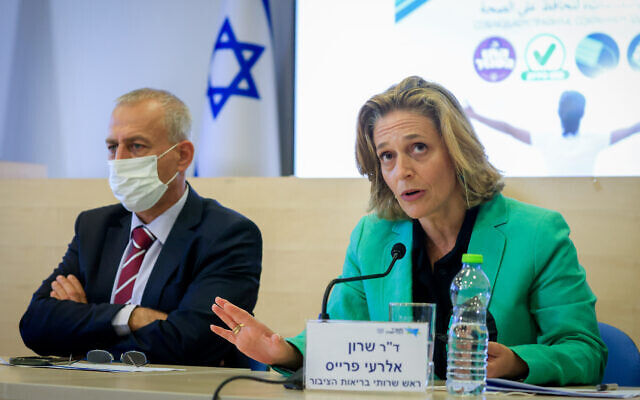
Speaking at the Knesset Health Committee Sunday morning, Dr. Sharon Alroy-Preis, the Health Ministry’s chief of public health services, said that Israel was on its way out of the fourth wave.
“Right now the expectation is that the downward [morbidity] trend will continue, and we will see fewer verified cases by the day,” Alroy-Preis told lawmakers. “We are preparing to present the government with an exit plan.”
The Health Ministry said on Sunday that just 324 new coronavirus cases were confirmed the previous day, with a testing rate of 0.98%, the first time the number had dipped below 1 since June. Testing rates tend to be lower at the weekend.
There were 13,050 active cases, including 433 patients hospitalized. Of them, 307 were in serious condition, with 157 of them on respirators.
Israel’s total COVID death toll since the start of the pandemic stood Sunday morning at 8,046.
The ministry also said that, as of Sunday morning, 6,217,352 Israelis have received at least one vaccine dose, 6,217,352 have gotten two shots and 3,896,785 have been administered a booster.





The Times of Israel Community.