

Board of Peace plans launch of pilot Gaza housing project, but green light elusive
US-led body thinks it can establish Rafah-area humanitarian zone regardless of whether Hamas agrees to disarm, but needs cooperation from Israel and Palestinian technocratic panel tasked with replacing terror group

 Add ToI as a Preferred Source on Google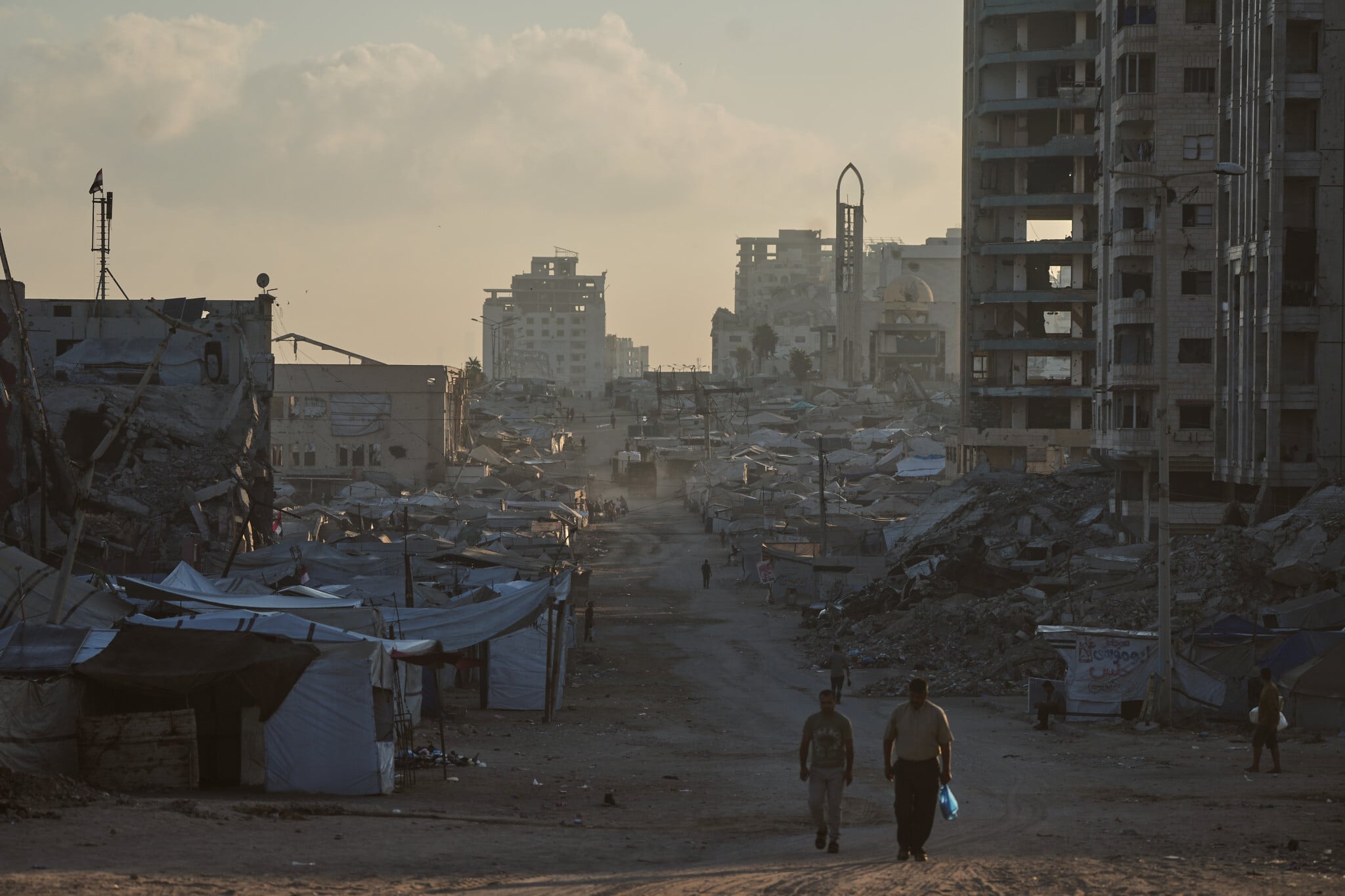
Board of Peace officials have briefed reporters in recent days about their plans to establish a pilot humanitarian zone in the Rafah area of south Gaza.
The idea is to have Israel pull back its troops from the designated area and be replaced by soldiers from a yet-to-be-deployed International Stabilization Force (ISF) who would secure the borders of the humanitarian zone.
The committee of Palestinian technocrats tasked with replacing Hamas in governing the Strip would finally enter the enclave and work with the ISF to vet the tens of thousands of Palestinians coming from the Hamas-controlled “red zone” into the “green zone” that to date has been occupied by the IDF.
There, tens of thousands would have access to temporary housing, humanitarian aid and safety at levels sorely lacking in the remainder of the Strip.
The Board of Peace hopes that the pilot humanitarian zone will serve as a model that can be used to separate civilians from Hamas, thereby weakening the terror group’s grip on society.
The US-controlled panel overseeing the postwar management of Gaza was hoping to establish such humanitarian zones months ago but had been hoping to first coax Hamas to give up its weapons to allow reconstruction to proceed at a much greater scale.
Disarmament talks have dragged on for months, though, with Hamas insisting that Israel first adhere to the terms of the ceasefire reached in October. Israel claims it is responding to violations by Hamas.
Unwilling to condition relief for Gaza on those negotiations, the Board of Peace wants to move ahead with establishing the first humanitarian pilot zone, and its leadership discussed the idea at a meeting in Cyprus last week, according to an official from the body.
But the plan remains on paper, as it still requires approval from Prime Minister Benjamin Netanyahu’s government, which is unlikely to authorize even the smallest of IDF withdrawals as the fall parliamentary elections approach.
While a Board of Peace official said there is ongoing dialogue with Israel about the plan, an Israeli official told The Times of Israel there would be no IDF withdrawals from Gaza until Hamas agrees to disarm.
Moreover, by dragging its feet in signing off on Status of Forces Agreements (SOFA) with ISF contributing countries — necessary for establishing the legal guardrails of foreign military personnel stationed abroad — Israel has prevented the international force from deploying, a senior Arab official said.
The Wall Street Journal revealed on Friday that after pledging an international peacekeeping force of 20,000 for Gaza, the US is struggling to deploy even a small delegation of 10 to 20 Moroccan troops.
NCAG not on board
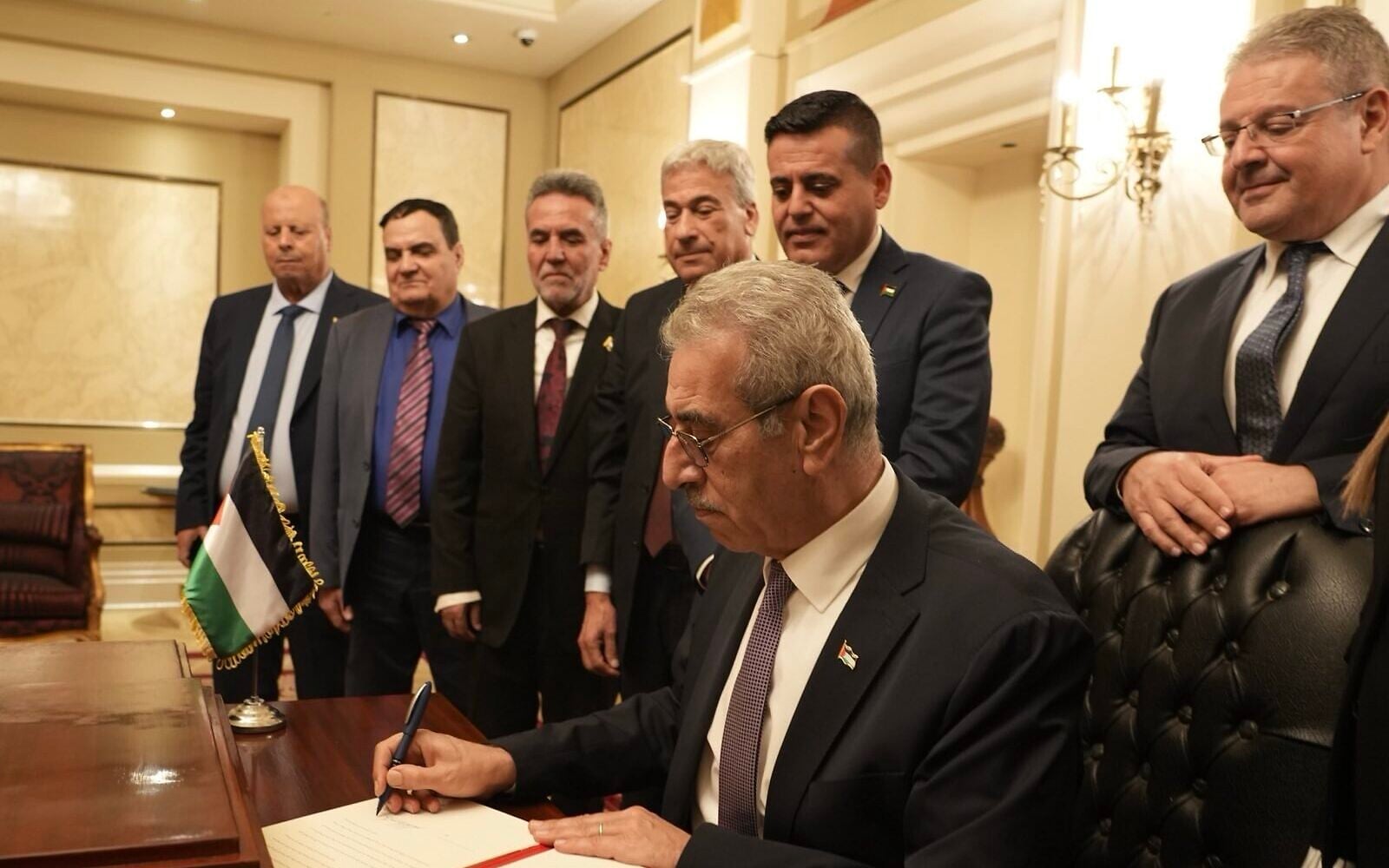
The plan also assumes that the Palestinian technocratic panel — the National Committee for the Administration of Gaza (NCAG) — will be willing to enter the Strip under such conditions.
Board of Peace officials maintain that Palestinians will be allowed to enter and exit the humanitarian zone and that they will not be under Israeli occupation.
But a source familiar with the matter said NCAG members are not on board with the plan, deeming that the humanitarian zone would still effectively be controlled by the IDF, which will be present on its outskirts.
The source likened the proposed dynamic to the one at aid distribution sites run by the US-backed Gaza Humanitarian Foundation (GHF) during the war. While Israeli soldiers weren’t present at those sites, they repeatedly opened fire on Palestinians trying to make their way to them.
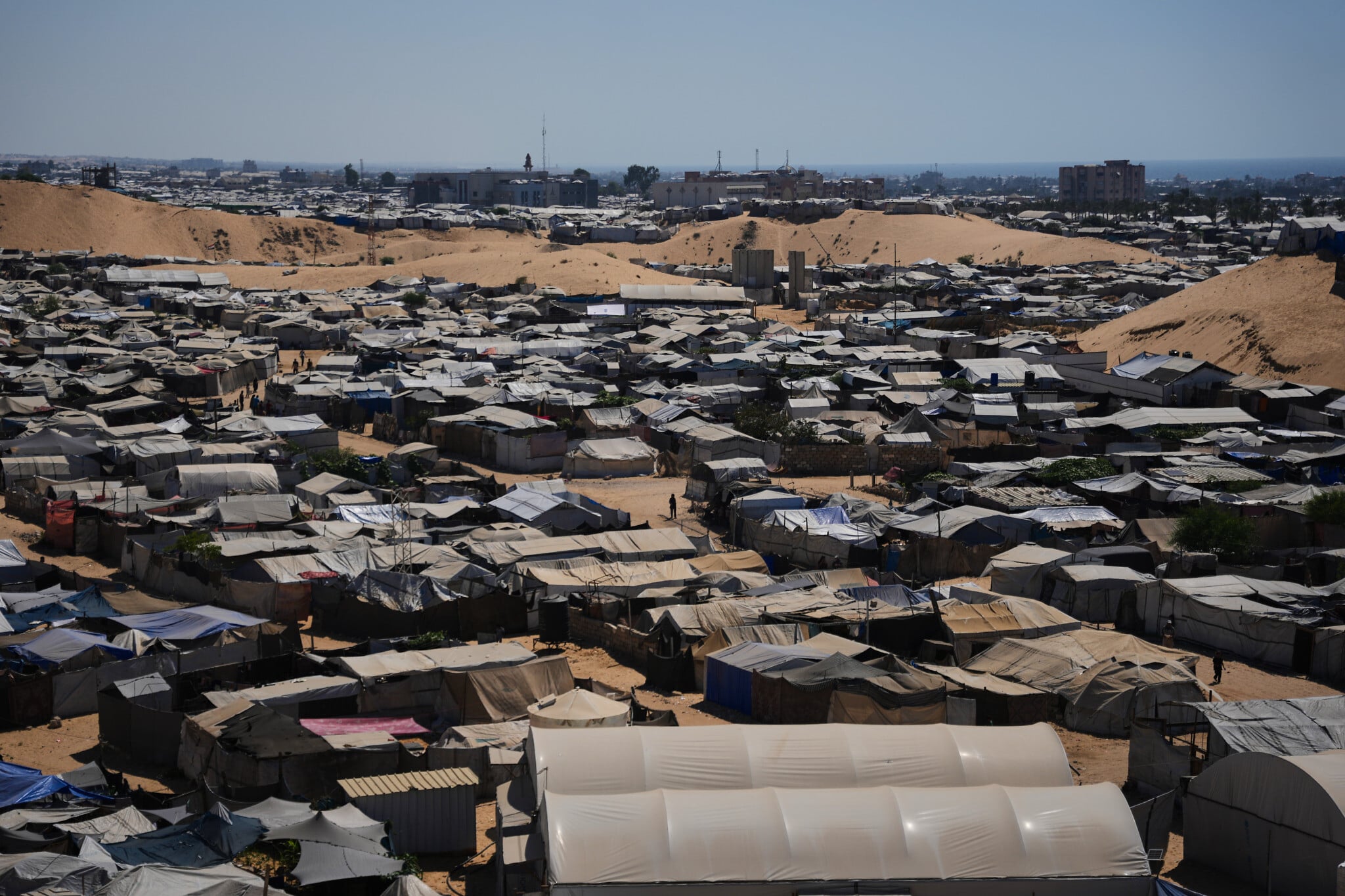
The source said NCAG members don’t want to legitimize the division of the Strip. The October ceasefire saw Gaza roughly divided in half by a “Yellow Line,” with Israel left in control of the eastern half. But as disarmament talks stalled in May, Netanyahu ordered troops to occupy 70 percent of the Strip, pushing the Yellow Line toward the coast and further shrinking the area where some 2 million Palestinians are largely living in tattered tent camps.
The source familiar with the matter pointed to the fact that the Board of Peace has not given a concrete timeline for the rollout of the humanitarian zone as proof that its implementation is not imminent. Moreover, the source denied that those who enter the humanitarian zone will actually be allowed to leave, in what would expose the proposal to significant criticism.
For their part, the Board of Peace official denied that the NCAG opposes the humanitarian zone pilot plan, insisting that the technocratic panel’s leadership is fully on board and coordinating with the relevant bodies to see it through.
Mere pressure tactics
Nonetheless, disarmament talks have continued, with the senior Arab official claiming that Hamas has softened some of its positions in recent weeks.
However, the official said that the maximum that Hamas is willing to offer in terms of a gradual handover of its weapons won’t meet the minimum that Israel is willing to accept. Accordingly, the Arab official reiterated that progress was unlikely until after Israel’s elections in October.
While Hamas may be reticent to give up its weapons, it would like to see the NCAG enter Gaza and relieve it of its responsibilities to provide services to civilians, the Arab official said, characterizing the terror group’s Monday announcement that it was dissolving its governing bodies as a tactic to pressure the Board of Peace into softening demands in the disarmament talks.
Board of Peace officials subsequently began briefing reporters on the humanitarian zone pilot, which the source familiar with the matter downplayed as a pressure tactic of its own aimed at convincing Hamas that it stands to lose by dragging its feet in disarmament talks.
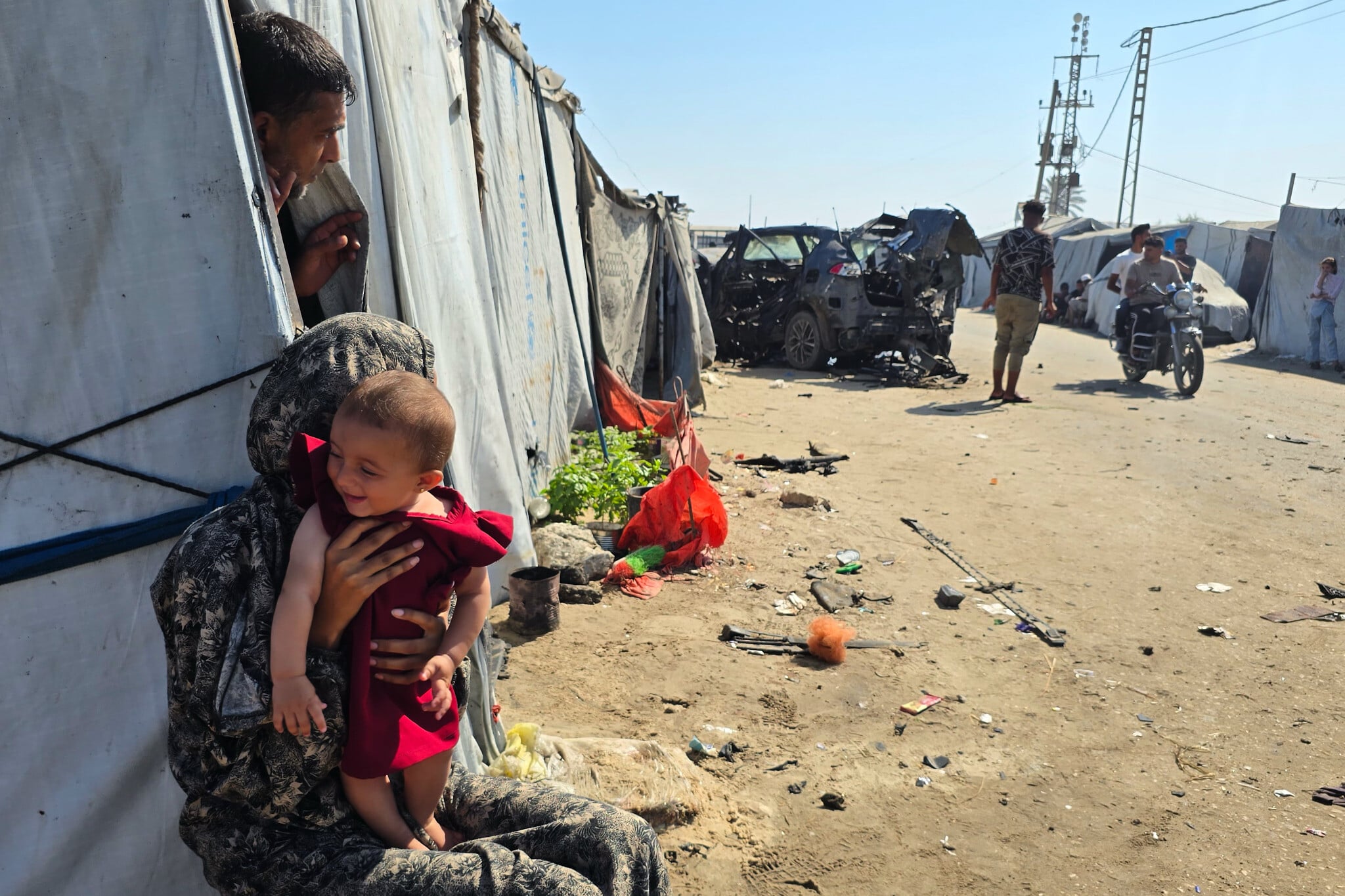
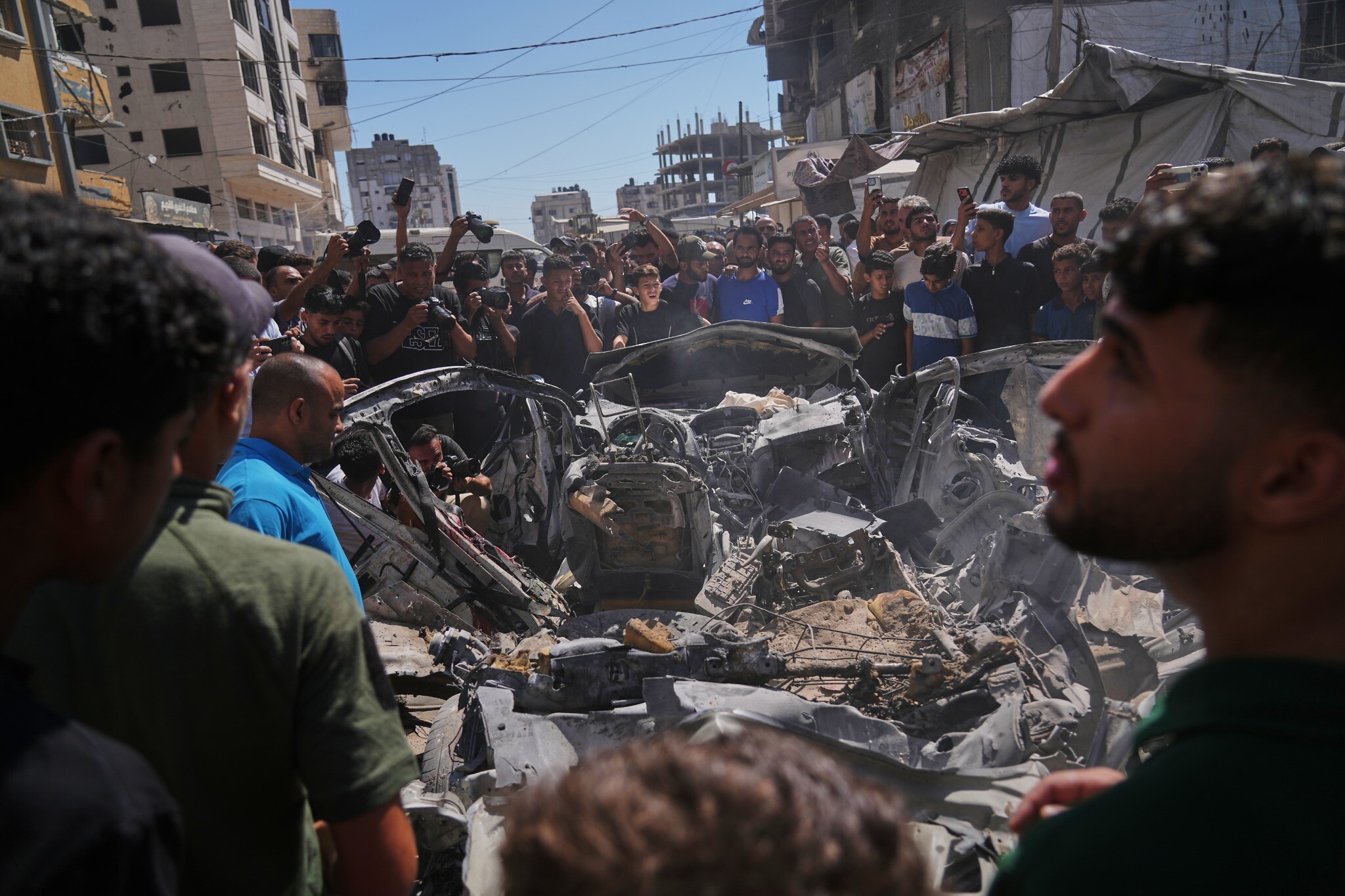
In the meantime, Israel has vowed to eliminate every terrorist involved in the October 7 onslaught. Daily strikes have been conducted against Hamas operatives, but those nearby have been killed as well, including young children and an anti-Hamas aid worker in the last several days.







The Times of Israel Community.