

Filmmaker Nadav Lapid receives industry support after boycott at film festival
Hundreds of artists defend director, who they call ‘Israel’s greatest dissident artist’; Lapid, a vociferous critic of Israel, warns of the dangers of silencing debate
 Add ToI as a Preferred Source on Google
Jessica Steinberg, The Times of Israel's culture and lifestyles editor, covers the Sabra scene from south to north and back to the center
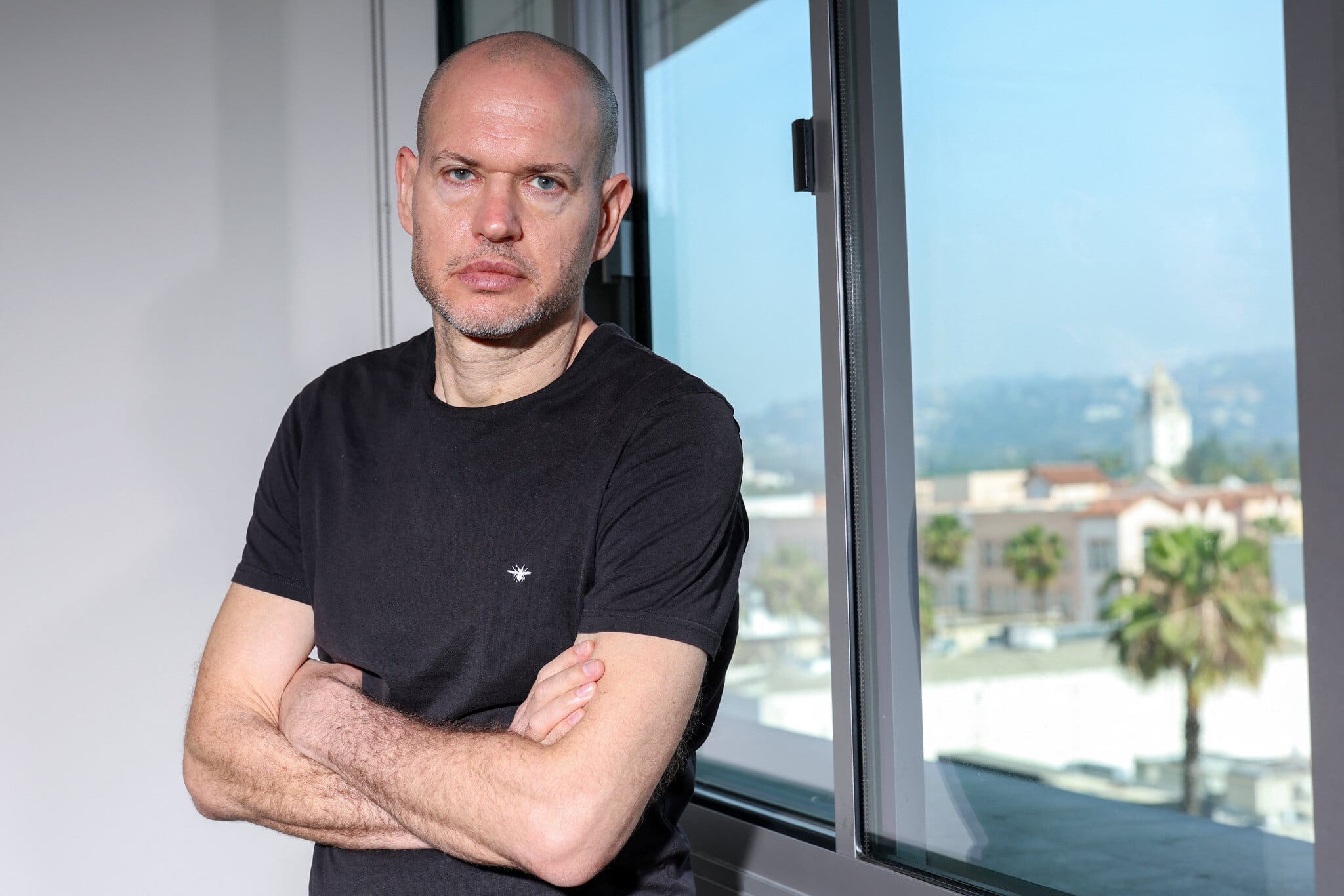
After Israeli filmmaker Nadav Lapid was forced to pull out of French film festival FID Marseille, as part of a cultural boycott of Israel due to the Gaza war, several hundred filmmakers and actors, including Natalie Portman, Justine Triet and others, signed two different open letters in his support.
“Inviting an artist to a festival does not make them a cultural ambassador,” said the first letter, which was published on June 8 in French newspaper Le Monde.
Lapid has lived in France since 2021, and has repeatedly and publicly condemned the Israeli government and the war in Gaza.
The letter described the calls to boycott the festival, threats directed at its partners and funders and the withdrawal of films as “a campaign of intimidation.”
The signatories argued against reducing an artist to his nationality.
“In what way does the presence of a filmmaker on a jury or the screening of one of his films make him a representative of a state?” stated the letter.
“That Israel’s greatest dissident artist [who] tirelessly denounces the fascist and colonialist tendencies of his government and its criminal moral failings in films that have won awards worldwide, should be forced to withdraw from a French festival should alarm us and mobilize us beyond this absurdity,” the letter said.
“It should alert us to the obvious truth: whatever crimes their state may commit, no one can be reduced to a passport,” it added, saying citizens, especially artists, should never be held responsible for “crimes committed by governments they are often the most fervent critics of.”
“We stand with Nadav Lapid,” the letter concluded. “The cultural boycott is an intellectual dead end that we must collectively overcome.”
Lapid’s latest film, “Yes,” is a caustic commentary on Israel and Israeli society and was called “a blistering attack on Israeli nationalism” by Variety.
Lapid was initially invited by FID Marseille to serve on the festival jury.
The festival began receiving calls from filmmakers and activists, demanding that Lapid be disinvited as part of an all-encompassing cultural boycott of Israel.
After about a dozen filmmakers were reported to pull their films from the festival in May, Lapid stepped down from the jury.
At the time, FID Marseille director Tsveta Dobreva invited Lapid to present one of his films and a masterclass, but he chose to withdraw from the festival entirely.
FID Marseille will take place July 7-12.
Following his withdrawal from the festival, Lapid told Le Monde that he did so to avoid putting the festival in a difficult position, according to Variety.
“For a year, it was my film ‘Yes’ that was being attacked. And then, suddenly, my mere presence became unacceptable. I asked myself: What exactly do they want? That I stop making films? Should I leave France? How far will this go?” Lapid told Variety.
Lapid warned that other festivals are beginning to avoid certain films or people simply out of fear of controversy.
“Paradoxically, those who claim to want to draw attention to Palestine sometimes produce the opposite effect — films disappear, debates no longer take place, and everyone retreats into silence,” he told Variety.
Those who opposed Lapid’s participation in the festival pointed out that he accepted partial funding for his 2025 film “Yes” from the Israel Film Fund. But the Israeli Film Fund operates independently from the government and has a long history of supporting Israeli films that are critical of the government, such as Lapid’s “Yes” and the recent award-winning “The Sea” about a Palestinian boy in Israel.
Last year, the Israel Film Fund clashed with the government after “The Sea” won the top prize at the Ophir Awards and was submitted as Israel’s candidate for the Oscars.
Part of the pressure on the festival came from a collective called Palestine Will Save Cinema, which published a statement on June 8 titled ‘Yes, Cinema Is Political,’ signed by filmmakers who wrote that they rejected the festival’s insistence on creating a balance between Palestinian and Israeli productions at the festival.
The collective wrote that placing Palestinian and Israeli narratives side by side erases power relations, history and material conditions.
Lapid added that he refuses to regard the boycotting filmmakers as enemies, suggesting to Variety that their actions reflect “powerlessness, anger and immense frustration at the political inaction around Gaza,” and reiterating his own long-standing support for real political sanctions against Israel.
Dobreva told Variety that Lapid was initially invited “solely out of respect for his cinema.” She said that a boycott of the festival prevented them from programming freely and being a place of free thinking.





The Times of Israel Community.