

Flour costs rise, egg prices to jump, with Israelis already short on dough
Egg prices go up 2.1% on Sunday; flour is reportedly set to rise by as much as 14%, with bread, pasta and other staples likely to follow, a fresh blow to households stretched thin by cost-of-living crisis
 Add ToI as a Preferred Source on Google
Sharon Wrobel is a tech reporter for The Times of Israel
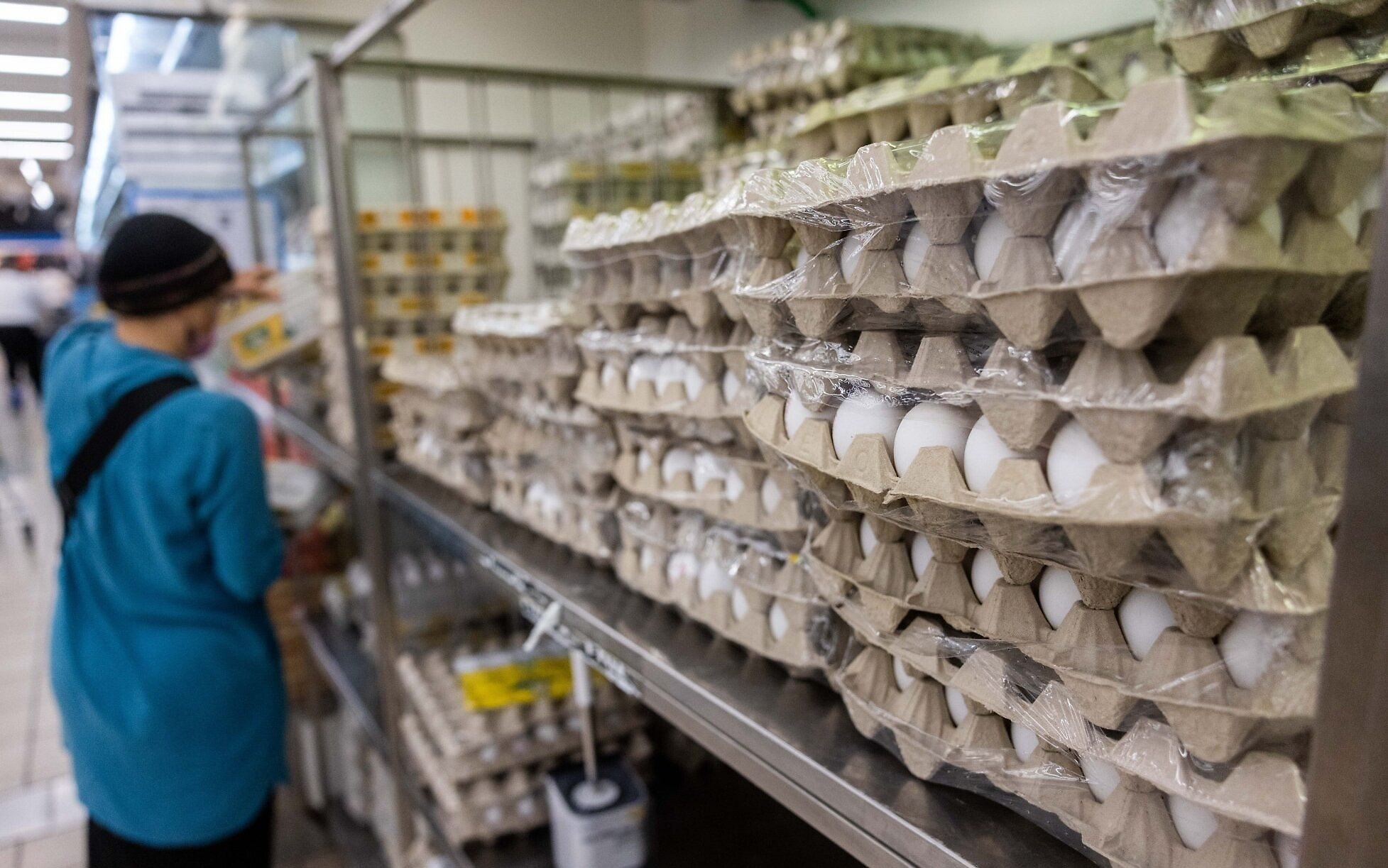
Starting Sunday, higher egg prices will hit Israelis’ pockets at a time when many households are already struggling to make ends meet amid a high cost of living.
The price of government-regulated eggs will increase by 2.1 percent on November 1, the Agriculture Ministry announced last week. A carton of 12 eggs will cost between 27 agorot (9 cents) and 33 agorot (11 cents) more depending on the size.
A dozen medium eggs will cost NIS 13.40 ($4.31), up from its current price of NIS 13.13 ($4.22) and a carton of large eggs will sell for NIS 14.54 ($4.68), up from NIS 14.24 ($4.58). The price of a dozen extra-large eggs will rise to NIS 15.81 ($5.09) up from NIS 15.48 ($4.98).
The Agriculture Ministry attributed the increase to higher costs throughout the egg supply chain from breeders and producers to distributors and retailers, jumps that are passed on to the consumer. The ministry also cited the increased costs of feed for laying hens, wages, energy, and packaging.
The latest price adjustment follows a 1% increase in November 2025 and a 16% hike in 2023.
While the latest price increase may appear modest, it runs counter to global trends. In the US, the average cost of a dozen eggs has fallen over the past year to around $2.27.
Israeli breeders produce about 2.2 billion eggs annually, mainly in the Galilee and Golan Heights. Israelis eat an average of 240 eggs a year, or 20 a month, according to the Agriculture Ministry. The industry operates under a government quota system that limits production, alongside import restrictions that constrain foreign supply.
Despite price controls, egg prices in Israel have historically been significantly higher than in other countries. A 2022 State Comptroller report found they were 41% above the OECD average and 72% higher than in the US.
The increase in the cost of eggs is set to coincide with an impending steeper rise in the price of flour, which is set to climb 11% to 14% in early November, according to a report by financial news outlet Calcalist.
Flour suppliers have reportedly informed customers of planned price increases, citing a sharp rise in global wheat prices following the closure of Black Sea ports to wheat shipments amid an escalation of the Russia-Ukraine war, as well as higher transportation costs.
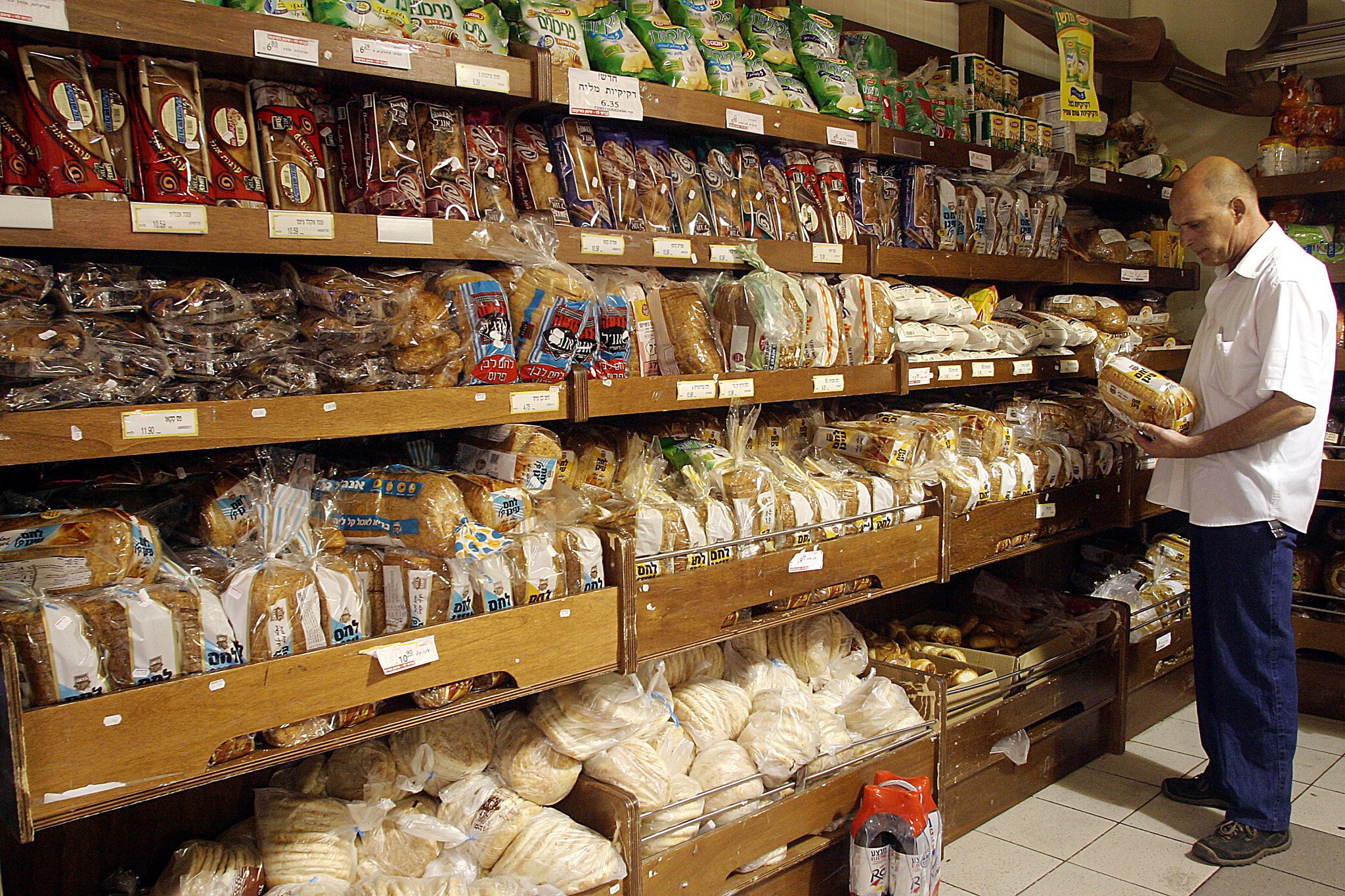
As eggs and flour are essential ingredients in a wide range of food products, manufacturers and retailers, such as restaurants and bakeries, may pass on the higher costs through price hikes for bread, baked goods and other staples, including pasta, Israeli couscous and crackers.
The price increases come at a time when Israeli consumers continue to grapple with a high cost of living and steep food prices that have surpassed those in some of the wealthiest countries in Europe.

Recent research by Tel Aviv University found that supermarket chains raised food prices nearly five times faster over the past four years than in the preceding four-year period.
The increases have left households spending hundreds of additional shekels on a basket of popular products, compared with just a few shekels more over the previous four years.
While higher VAT, other taxes, and government-controlled prices contributed to the wave of hikes from 2023 onward, researchers suggested retail chains exploited the government’s and public’s attention being diverted elsewhere to raise prices. Toward the end of that year, Israel went to war following the Hamas-led October 7, 2023, onslaught.
Amid longstanding criticism of successive governments’ failure to tackle the cost of living crisis, State Comptroller Matanyahu Englman has repeatedly urged lawmakers to take stronger action, while criticizing the outgoing government for neglecting the issue during the war.









The Times of Israel Community.