

Hezbollah rearming for possible renewed conflict with Israel, Lebanese sources say
Iran-backed terror group reportedly receives fresh cash from Tehran, rebuilds drone and explosives capabilities; claims right to ‘resistance’ against Israel
 Add ToI as a Preferred Source on Google
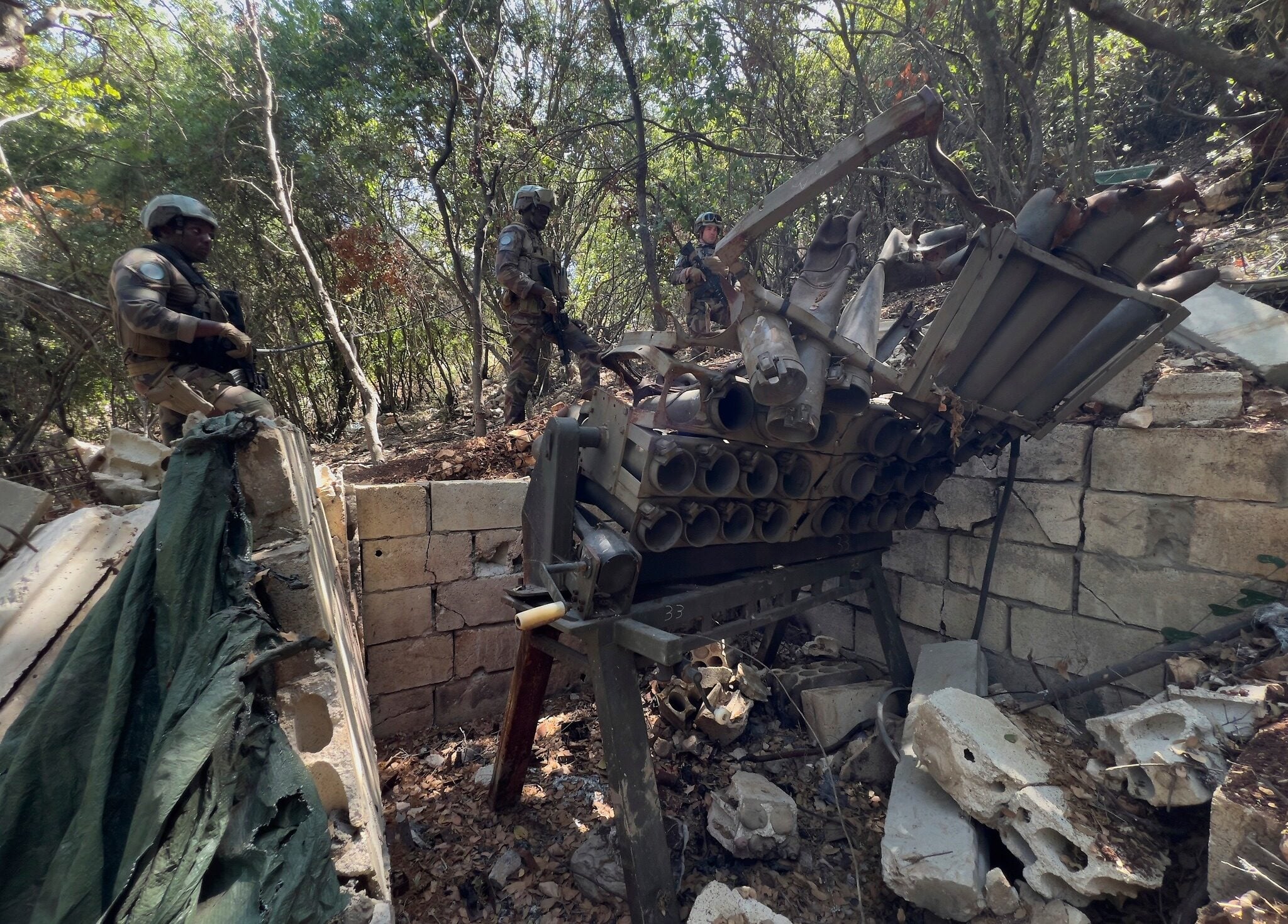
BEIRUT, Lebanon (Reuters) — The Iran-backed Hezbollah terror group has spent three months preparing for a possible resumption of hostilities with Israel, after receiving an infusion of cash from Iran, according to Lebanese security personnel briefed on its activities.
The group, founded by Iran’s Revolutionary Guards in 1982, has been dealt severe blows in two wars with Israel since 2024, with thousands of its operatives and many of its leaders killed, and much of its arsenal destroyed.
Israeli forces now control its heartland of villages in southern Lebanon, and political pressure has mounted in Beirut for its disarmament.
Israel currently maintains a security zone in southern Lebanon, where civilians have been ordered to evacuate and IDF troops are dismantling Hezbollah infrastructure. Israel says the zone is intended to prevent Hezbollah from reestablishing itself near the border and threatening communities in northern Israel.
But the terror group nevertheless remains committed to attacking Israel and has used a lull in hostilities since June to rearm, with a focus on procuring explosives and producing drones that can be flown into Israeli positions, two Lebanese security sources told Reuters.
One of the sources, and another close to Hezbollah, said the group had received tens of millions of dollars from Iran to help boost its military capabilities. That is in addition to around $200 million that the group received from Tehran to aid displaced families in its Shiite heartlands, which Reuters reported earlier this month.
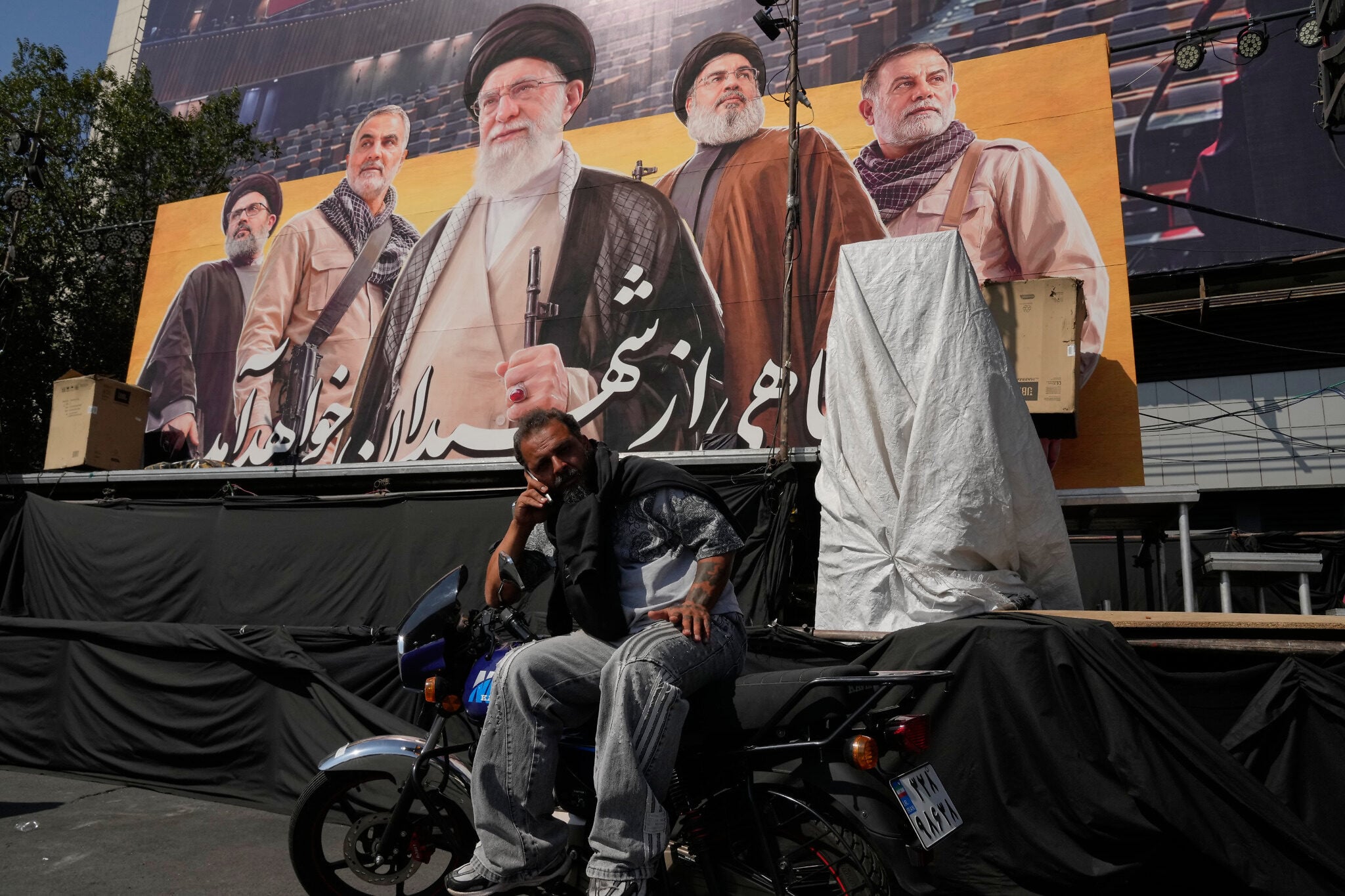
Hezbollah has been restoring command-and-control structures that broke down in key battles, according to one of those sources and three other security officials familiar with the group’s operations.
In response to questions from Reuters, Hezbollah’s media office claimed Israel’s presence on Lebanese territory gave it a legitimate right to any resistance. It rejected the suggestion that its command-and-control systems had broken down.
Israel’s military declined to comment. Iran’s permanent mission to the United Nations in Geneva did not immediately respond to Reuters questions.
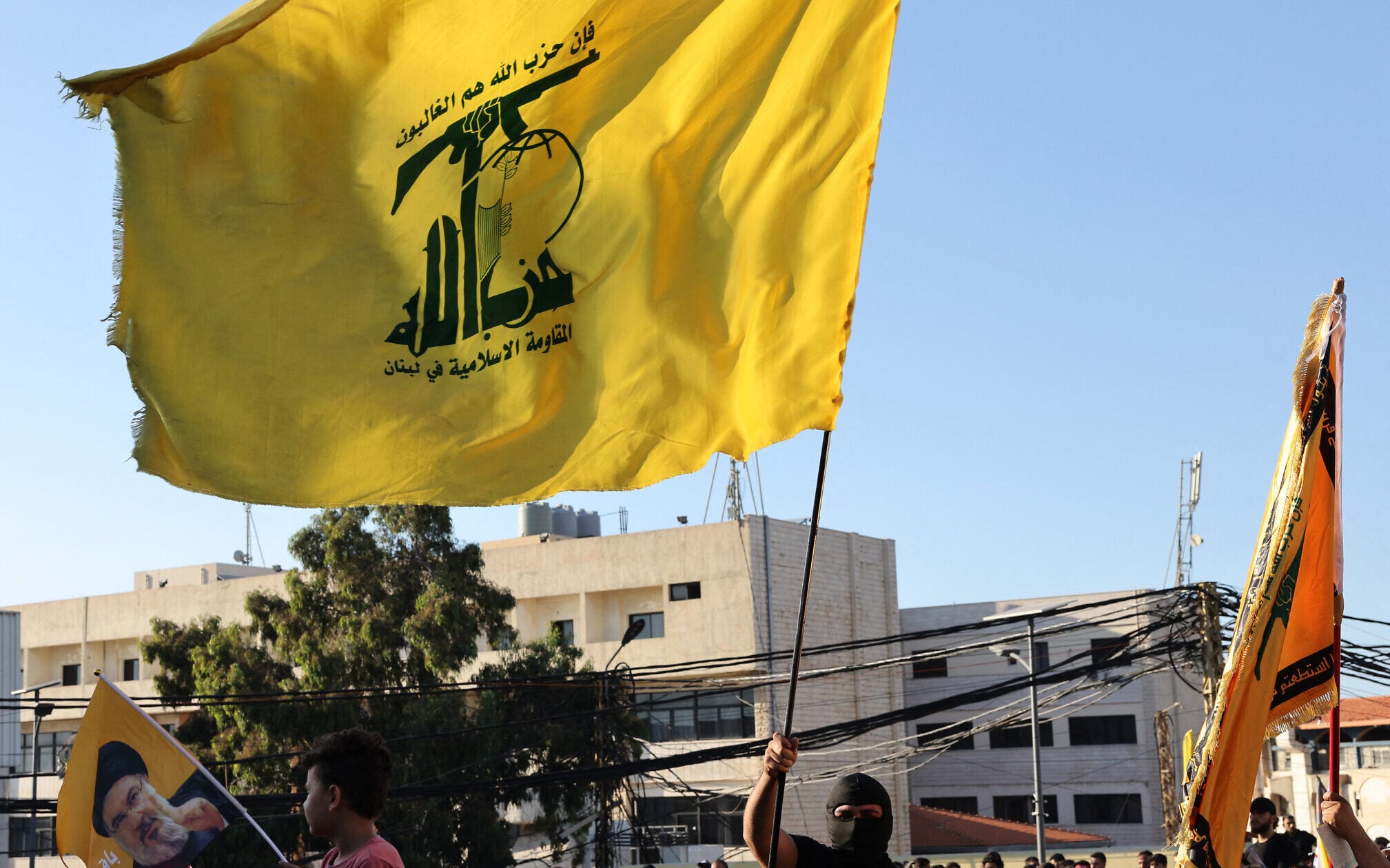
A US State Department spokesman said Washington would keep strangling Hezbollah’s finances through sanctions and other measures. A US Treasury spokesperson said Iran was running out of money and ways to move money.
Hezbollah on alert
Hezbollah’s effort comes amid continued tensions in the wider regional conflict following US-Israeli strikes on Iran in February.
Hezbollah opened fire in support of Iran on March 2, triggering an Israeli offensive that killed more than 4,000 people and uprooted a quarter of Lebanon’s population, mostly members of Hezbollah’s Shiite Muslim constituency.
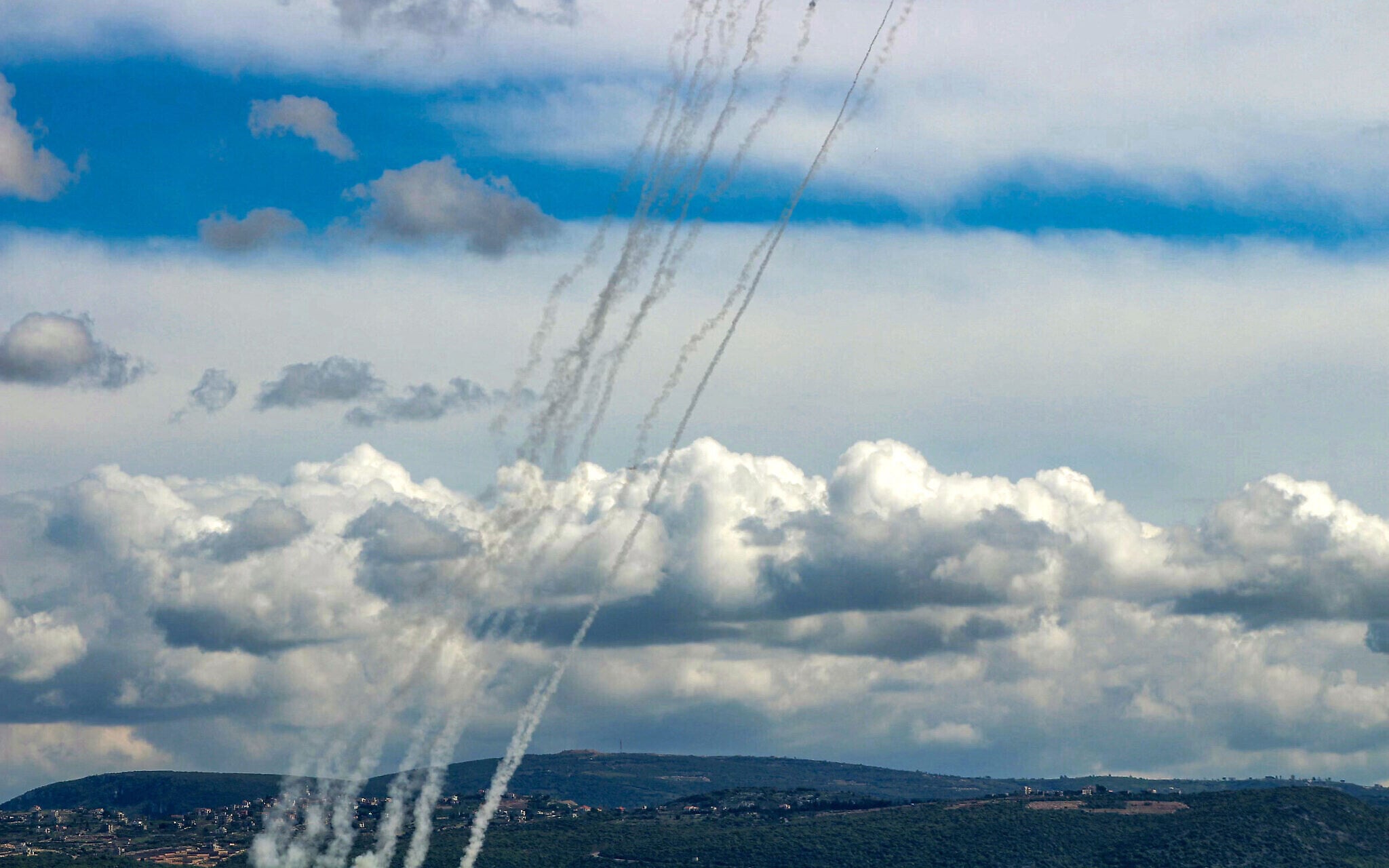
Hostilities largely abated over the summer as an interim Iran-US deal included a Lebanon ceasefire and Washington mediated talks between Lebanon and Israel. Full-scale hostilities have not resumed in Lebanon despite the collapse of the US-Iranian deal, though Israel has continued to strike Hezbollah targets in southern Lebanon.
Hezbollah is on alert for a possible US-Iran escalation, potentially reigniting the Lebanon front.
The sources told Reuters the group had not yet managed to fully prepare its stockpiles or fighting force.
Hezbollah is still restocking, acknowledging this month that explosives seized by Lebanese authorities belonged to it and were intended for use against Israel. A Hezbollah official and a Lebanese security source told Reuters they were specifically for its explosive drones.
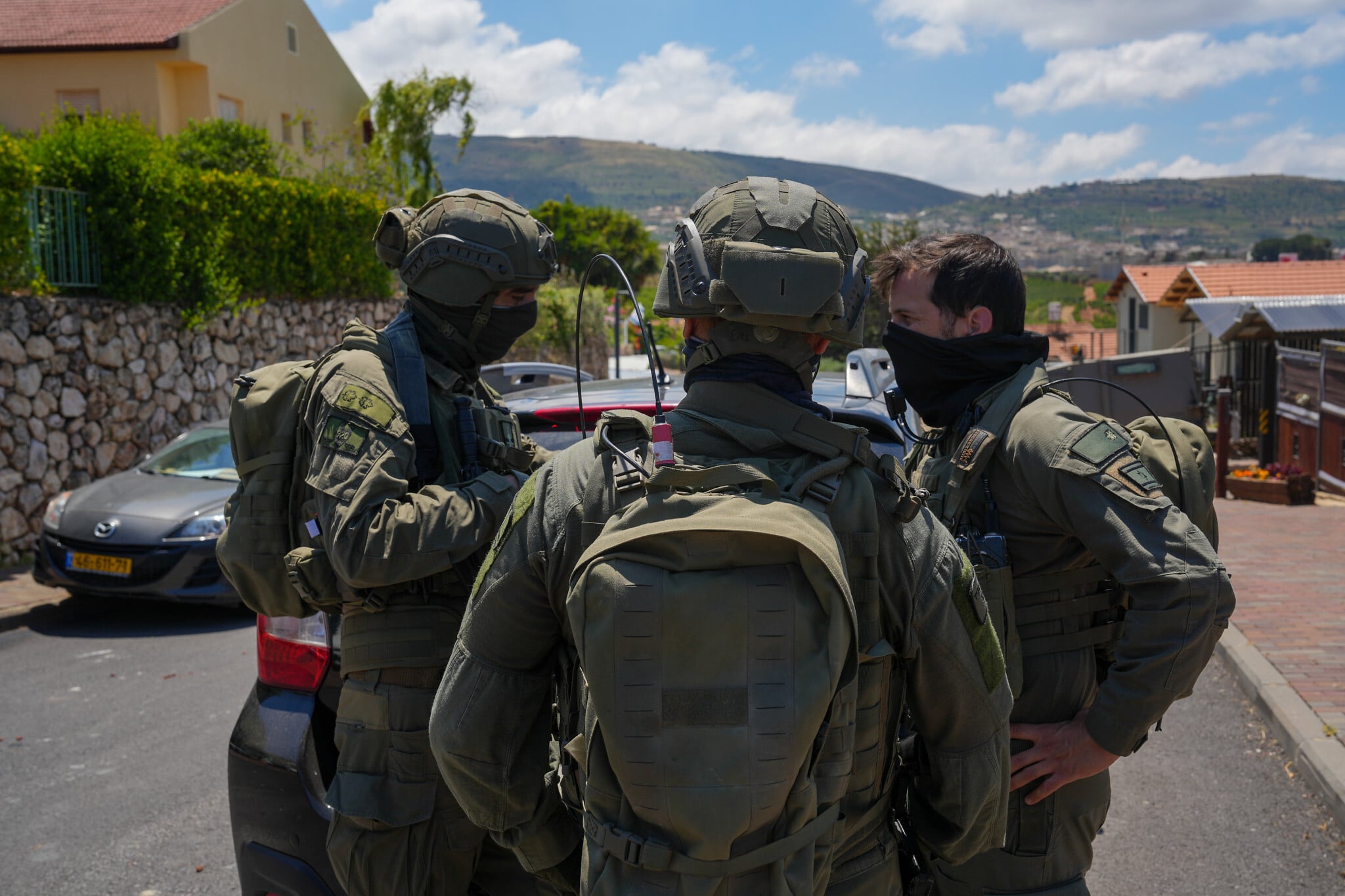
Israel’s remote warfare proved a challenge, sources say
The group will also need to repair command-and-control capabilities after losses on key fronts, including the flashpoint town of Bint Jbeil and the strategic Ali al-Taher ridge, according to one of the Lebanese sources and three security officials.
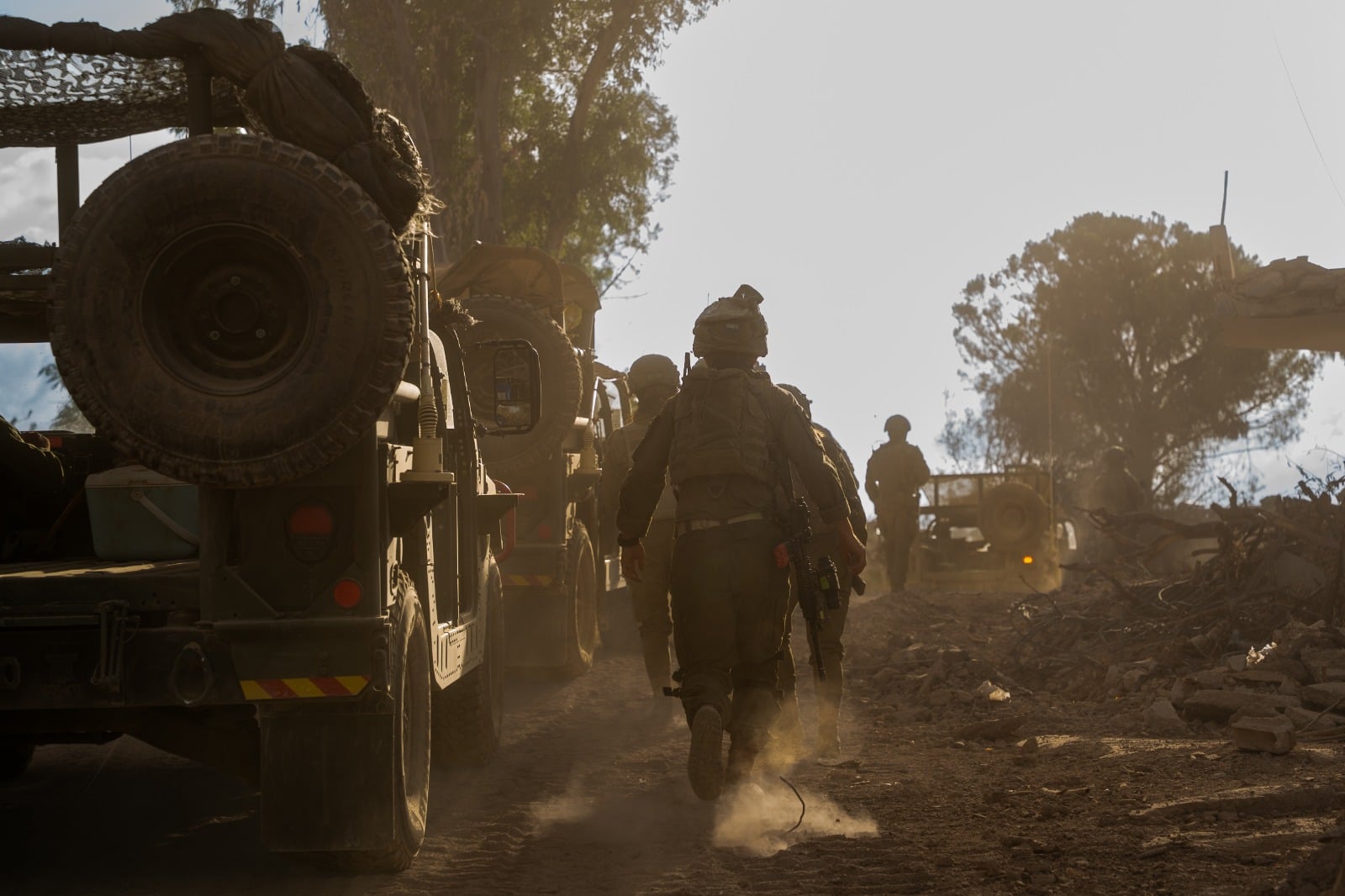
They said Hezbollah’s tactic of operating in small units and rationing the use of anti-tank rockets left some units isolated on those fronts, struggling to confront Israel’s remotely operated systems including weaponized drones and armed remote-controlled vehicles.
The Israeli military told Reuters it uses remotely operated systems to monitor southern Lebanon and reduce troops’ threat exposure.
Hezbollah has not explicitly said whether it would take part in the eruption of fresh hostilities, but its media office said it was wary of giving Israeli leaders any justification to escalate in Lebanon, particularly as the group was concerned about its constituents being displaced once more.
The Times of Israel contributed to this report.



The Times of Israel Community.