

High Court extends freeze on law banning arrest of Haredi draft dodgers
Justices barely challenge legal arguments that law is discriminatory and violated Knesset procedure, speak out sharply against Haredi claim in court that Torah ‘forbids’ enlistment
 Add ToI as a Preferred Source on Google
Jeremy Sharon is The Times of Israel’s legal affairs and settlements reporter
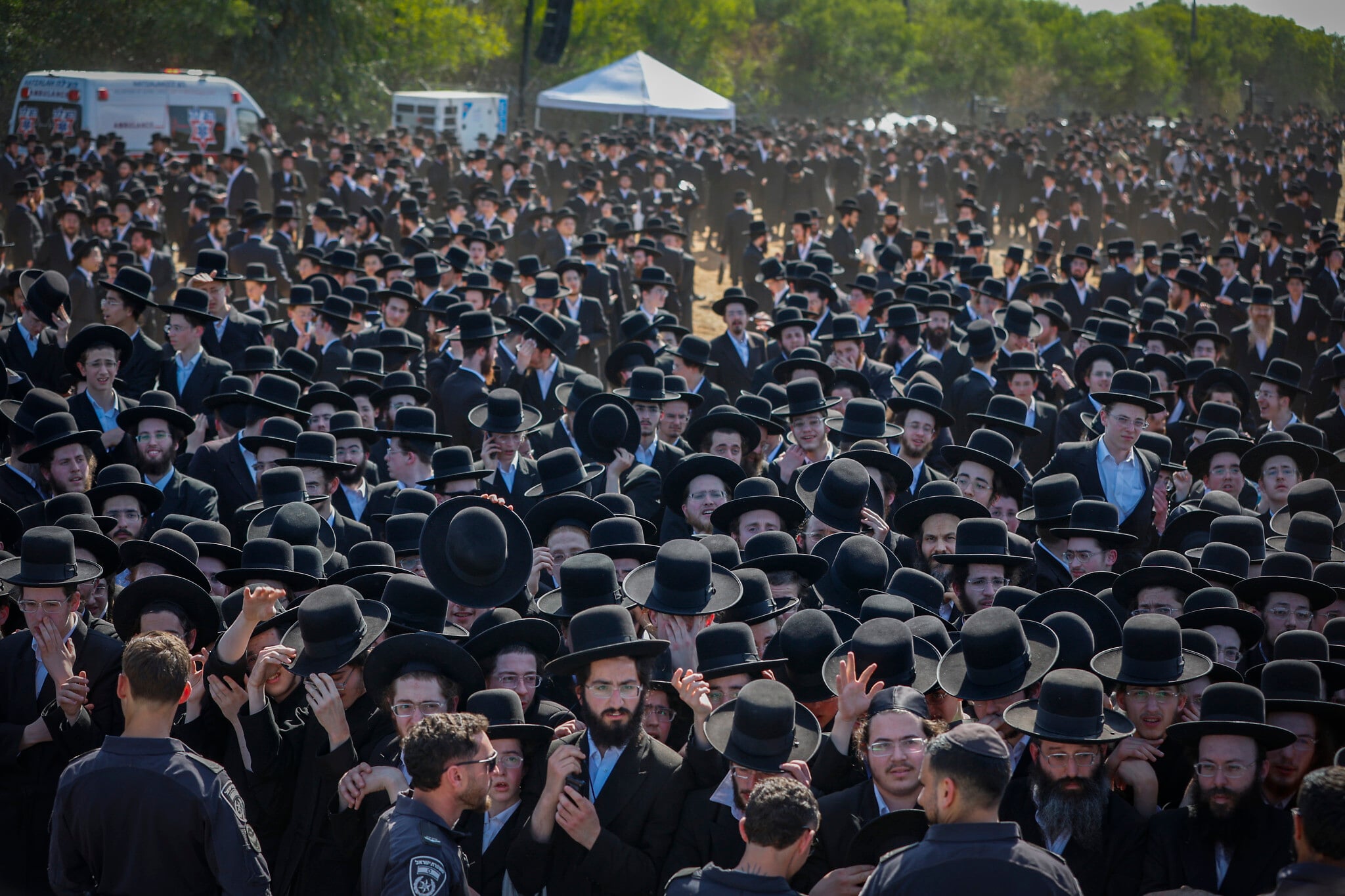
The High Court of Justice on Tuesday extended the freeze it had imposed on a law that would have barred for seven months the arrest of Haredi draft dodgers.
The court said in an interim order that pending a further decision, the freeze would remain on the law that was passed two weeks ago. A final ruling would come “soon,” the court said.
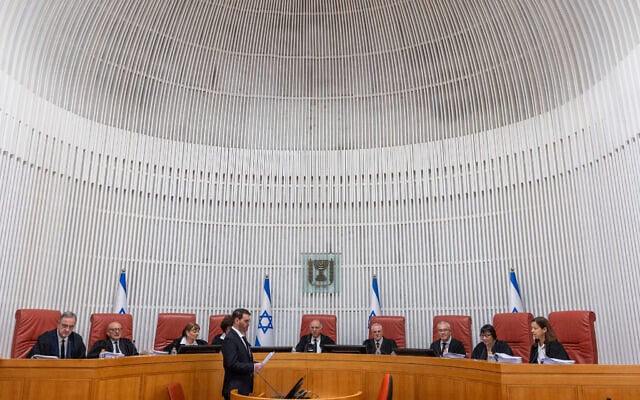
At a roughly 90-minute hearing earlier Tuesday, presiding justices barely challenged the arguments of the petitioners, Knesset lawyers, or the attorney general that the legislation is discriminatory, was passed in violation of Knesset procedure, and should therefore be struck down.
Representatives of the Knesset’s legal adviser and the attorney general both said that the law should be annulled, with the former arguing that the manner in which the legislation was passed severely violated Knesset procedure, and the latter asserting that the law creates unconstitutional discriminatory enforcement in the criminal justice system.
Unlike many High Court hearings over Knesset legislation, the nine justices on the panel asked very few questions of the attorneys representing the petitioners, or the Knesset and attorney general’s lawyers, indicating that they largely concurred with the legal arguments against the law.
The one stage of the hearing where several justices interjected was to challenge the representative of an ultra-Orthodox organization who wrongly claimed that the court never rules in favor of the Haredi community, and who further claimed that “the Torah prohibits” enlistment to the IDF under the current circumstances.
Justice David Mintz, the most conservative judge on the court, who is also Orthodox, retorted, “I cannot believe what I’m hearing,” and challenged with astonishment the representative’s assertion that the Torah forbids military enlistment.
The government boycotted the hearing and was not represented.
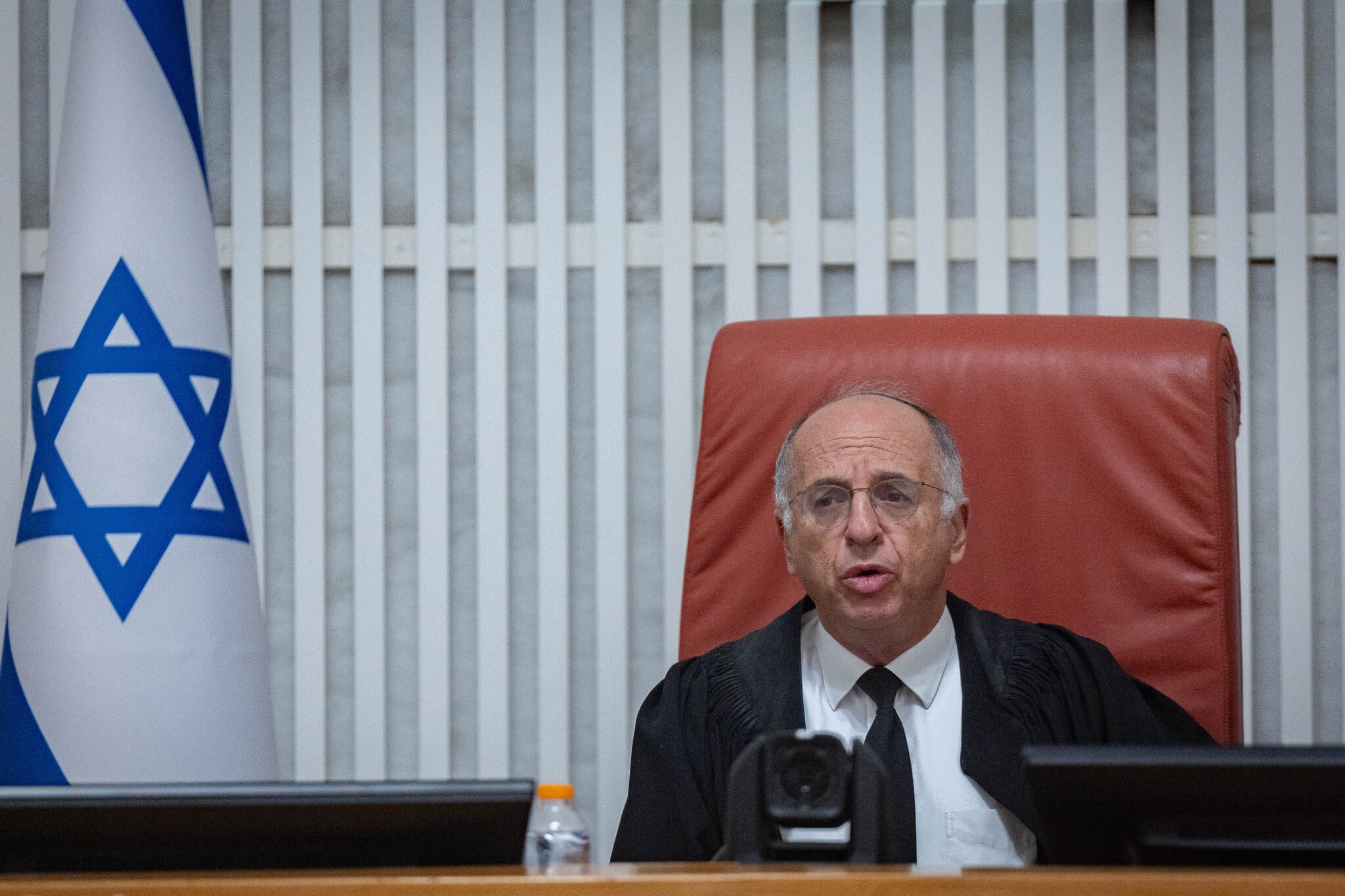
The hearing was conducted over petitions against a law passed in the Knesset earlier this month banning the police and IDF from arresting ultra-Orthodox draft dodgers for what in practice would be a seven-month period.
Less than 24 hours after the law was passed, the High Court issued a temporary order freezing implementation, noting, even at that early stage, its concerns that the law was discriminatory, since Haredi draft dodgers would not be liable to arrest while draft dodgers from the rest of the general public would.
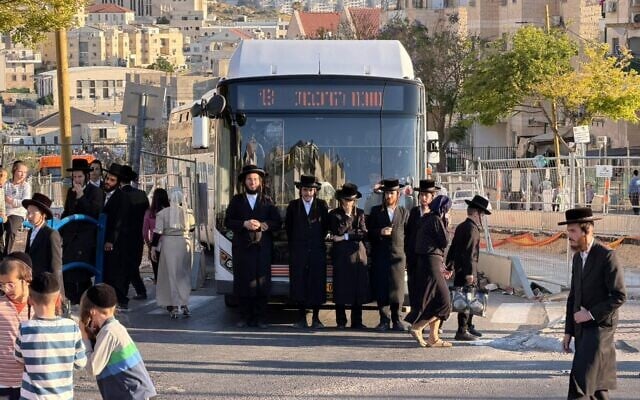
Some 72,000 ultra-Orthodox men aged 18 to 24 are currently eligible for military service, but have ignored conscription orders. The IDF has said repeatedly in recent months that it urgently needs 12,000 new recruits amid the ongoing multifront conflict.
Perhaps the only serious challenge the justices made to judicial officials’ position during Tuesday’s hearing was when Sohlberg asked the attorney general’s representative, Aner Helman, whether the fact that the law is temporary moderates the harm done by the discriminatory nature of the law.
“A law that creates discrimination in criminal enforcement cannot stand, even if it is temporary. It is not [a law with] an appropriate purpose and it is not proportional [to harm done to the principle of equality],” Helman replied. Sohlberg did not challenge him further.
The Knesset legal adviser’s representative said in his oral arguments that the law should be struck down on procedural grounds, since the goal of the original bill was to integrate ultra-Orthodox men into military service, whereas the goal of the legislation that was actually passed was to exempt them from enforcement measures for failing to enlist.
This violates the Knesset regulations and by extension Basic Law: The Knesset, and is therefore grounds to strike down the law, the representative, Yitzhak Bart, asserted.
Representing the Emet L’Yaakov organization, which lobbies for the ultra-Orthodox, Natan Rosenblatt said that the community “understands the pain and anger” of the general Israeli public who perform military service while their Haredi neighbors do not, but insisted that “the Torah forbids enlistment” without an arrangement ensuring that an ultra-Orthodox man “can enter [the army] Haredi and leave Haredi.”
Rosenblatt was referring to one issue at the core of the ultra-Orthodox refusal to enlist: the concern that Haredi men will lose their identity while performing three years of military service in the IDF melting pot.
There are actually several tracks available for ultra-Orthodox men to serve with conditions in keeping with their lifestyle.
Mintz, who rarely speaks during High Court hearings, clearly took umbrage at Rosenblatt’s assertion, especially when he claimed that “all the great rabbis of Israel” forbid enlistment under the current circumstances.
Mintz retorted, “Not all the great rabbis,” adding that Rosenblatt was referring only to rabbis in the Haredi community.
“You’re speaking in sectoral terms, with all due respect,” said Mintz, in reference to the fact that innumerable Orthodox rabbis believe military service to be obligatory according to the Torah.
Sohlberg said at the end of the hearing that the court will issue a final ruling “soon.”






The Times of Israel Community.