

IDF: Once an ‘only child’ becomes a fighter, there’s no backing out
Parents will no longer be able to revoke permission for combat units; army considers new designation for soldier whose body is held by Hamas
 Add ToI as a Preferred Source on Google
Judah Ari Gross is The Times of Israel's religions and Diaspora affairs correspondent.
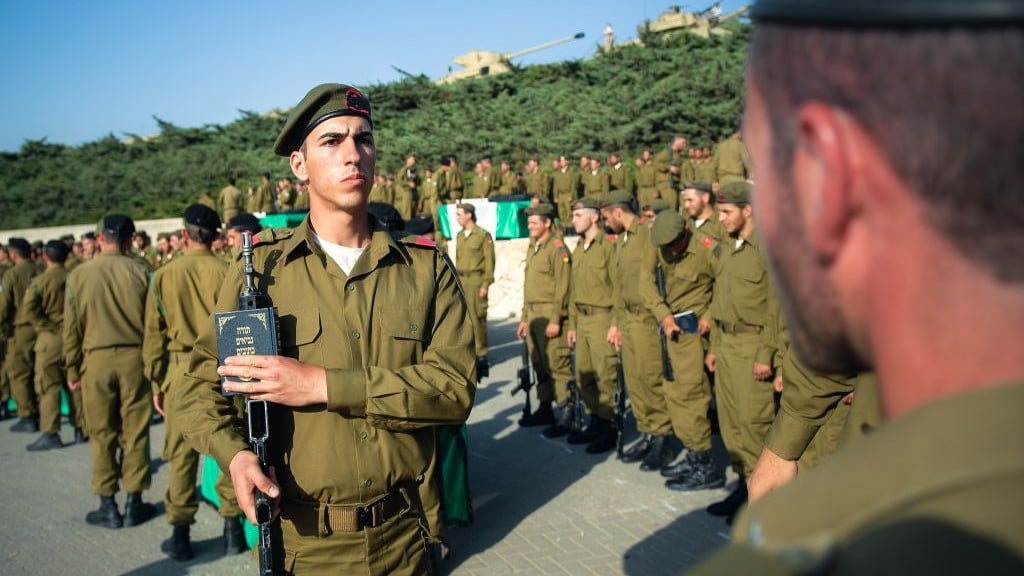
Parents of soldiers who give special permission for their children to serve in combat units will no longer be able to go back on that decision, the army announced this week.
Under Israeli law, an only child, or the sibling of a soldier who died while in the army, needs the explicit consent of his parents to join a combat unit, unlike other recruits who can be placed in a fighting unit by the army without such an agreement, and even over their parents’ opposition.
In the past, the parents of only children and “bereaved siblings” have been able to retroactively revoke that permission. During the 2014 Gaza war, there were nine cases of parents taking back permission for their only sons to serve in fighting units, resulting in those soldiers being taken out of combat, an army official told reporters on Sunday.
To avoid such situations in the future, the IDF has taken that right away from the parents of only children, though it has yet to decide if the move will be extended to parents who have already lost a child in the armed forces.
In some of those cases, a decision to revoke permission for an only child meant that a soldier’s entire unit had to leave the Gaza Strip.
According to the Israel Defense Forces, the policy change is also meant to give additional rights to recruits who decide to join combat units, as they are legally adults.
The army’s Manpower Directorate has also begun reconsidering its classifications for casualties and prisoners of war in light of the 2014 conflict in Gaza, known in Israel as Operation Protective Edge.
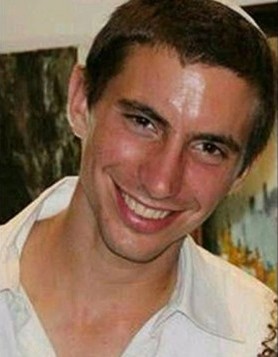
The move comes in response to the death of Lt. Hadar Goldin, who was killed during a Palestinian attempt to kidnap IDF soldiers. Some of his remains were found at the scene, allowing his parents to bury him, but the rest of his body was taken by Hamas and has remained in the Gaza Strip ever since.
That makes Goldin unique as far as the army is concerned. Until now, the IDF has had four classifications for its soldiers: injured, killed, held prisoner, and deceased with burial place unknown.
Staff Sgt. Oron Shaul, whose body was also stolen by members of the Hamas terror organization and who therefore cannot be given a funeral, falls into the latter category.
Goldin, who has a gravesite, does not. As a result, his parents have been pushing the IDF to create a special category.
No decision has been reached, but the IDF said it was in ongoing discussions on the subject to arrive at an amenable solution to the delicate problem.







The Times of Israel Community.