

In first, Olmert confirms Israel in 2008 killed top Assad adviser who oversaw nuke facility
In his new book, ex-PM recounts how Syria’s Muhammad Suleiman was shot in the back of the head by elite troops who emerged from the ocean to breach his beachfront property
 Add ToI as a Preferred Source on Google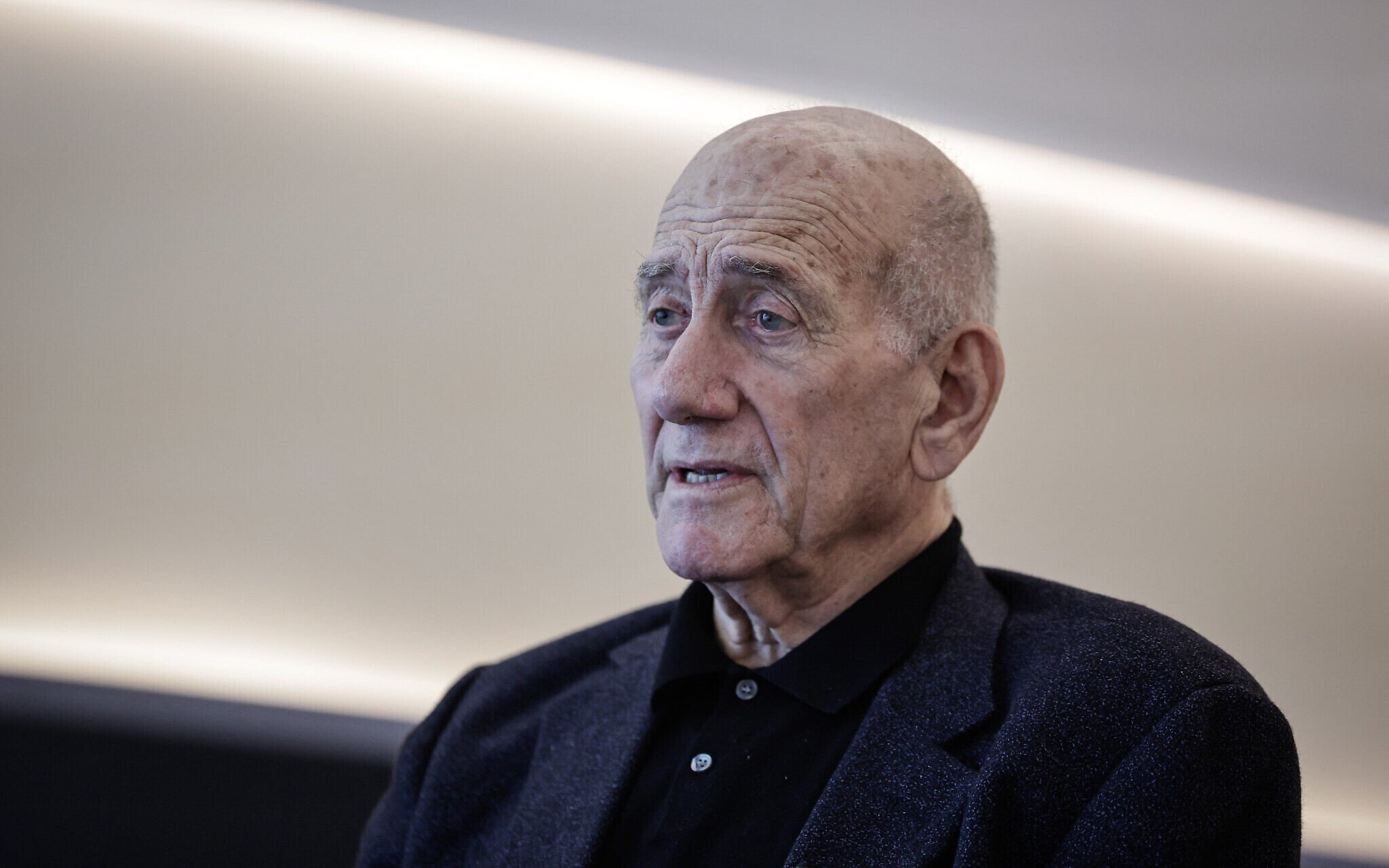
Former prime minister Ehud Olmert has confirmed for the first time that Israel was behind the 2008 assassination of then-Syrian president Bashar al-Assad’s top military adviser, Muhammad Suleiman.
In addition to serving as Assad’s chief military and intelligence aide, Suleiman was in charge of the construction and security of the Syrian nuclear facility in Deir Ezzor.
On August 1, 2008, Suleiman, a Syrian brigadier general and a presidential adviser on arms procurement, was shot multiple times in the head at an outdoor dinner party he was hosting at his beachfront villa in the coastal city of Tartus.
Although Israel has long been suspected of being behind the assassination, it never publicly confirmed it, prompting some to speculate that his death was in fact the result of an internal dispute.
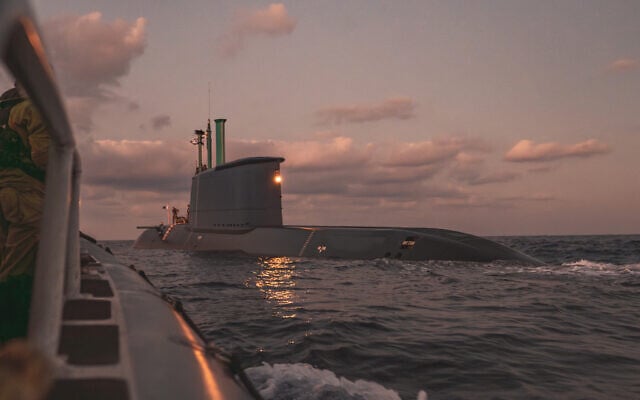
However, in 2015, leaked documents from the US National Security Agency revealed that Israel’s elite naval commandos of Shayetet 13 breached Suleiman’s villa from the sea, shot him in the back of the head, and then escaped back to the sea without detection.
According to an excerpt obtained Wednesday by the Ynet news site, Olmert, who was prime minister of Israel in 2006-2009, has confirmed the contents of the leaked intelligence documents in his new Hebrew-language book, named after the internal IDF code for the 2007 bombing of Syria’s nuclear reactor in Deir Ezzor, roughly translatable as “Arizona, all of us.”
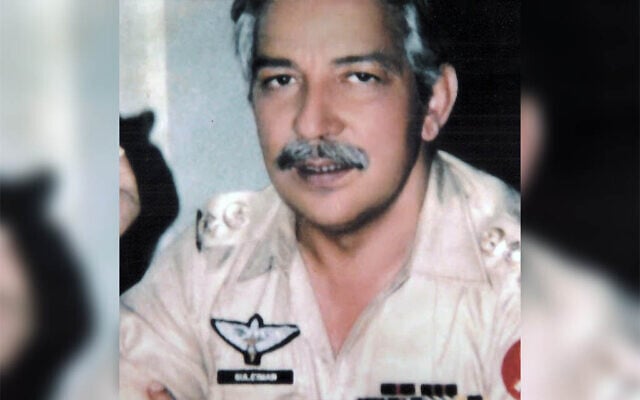
“He [Suleiman] and his guests were sitting on the balcony, and the soldiers approached under the cover of darkness to a distance of 150 meters on either side of the balcony, and confirmed his identity,” he wrote. “Even though there were quite a few people on the beach, nobody noticed them.
“When the order was given, three bullets were fired at Suleiman, hitting the back of his head,” Olmert recounted. “Immediately afterward, the soldiers retreated to the coast, on the way to the boat that picked them up.”
Syria suppressed the news of Suleiman’s assassination for four days following his death before pointing the finger at Israel.
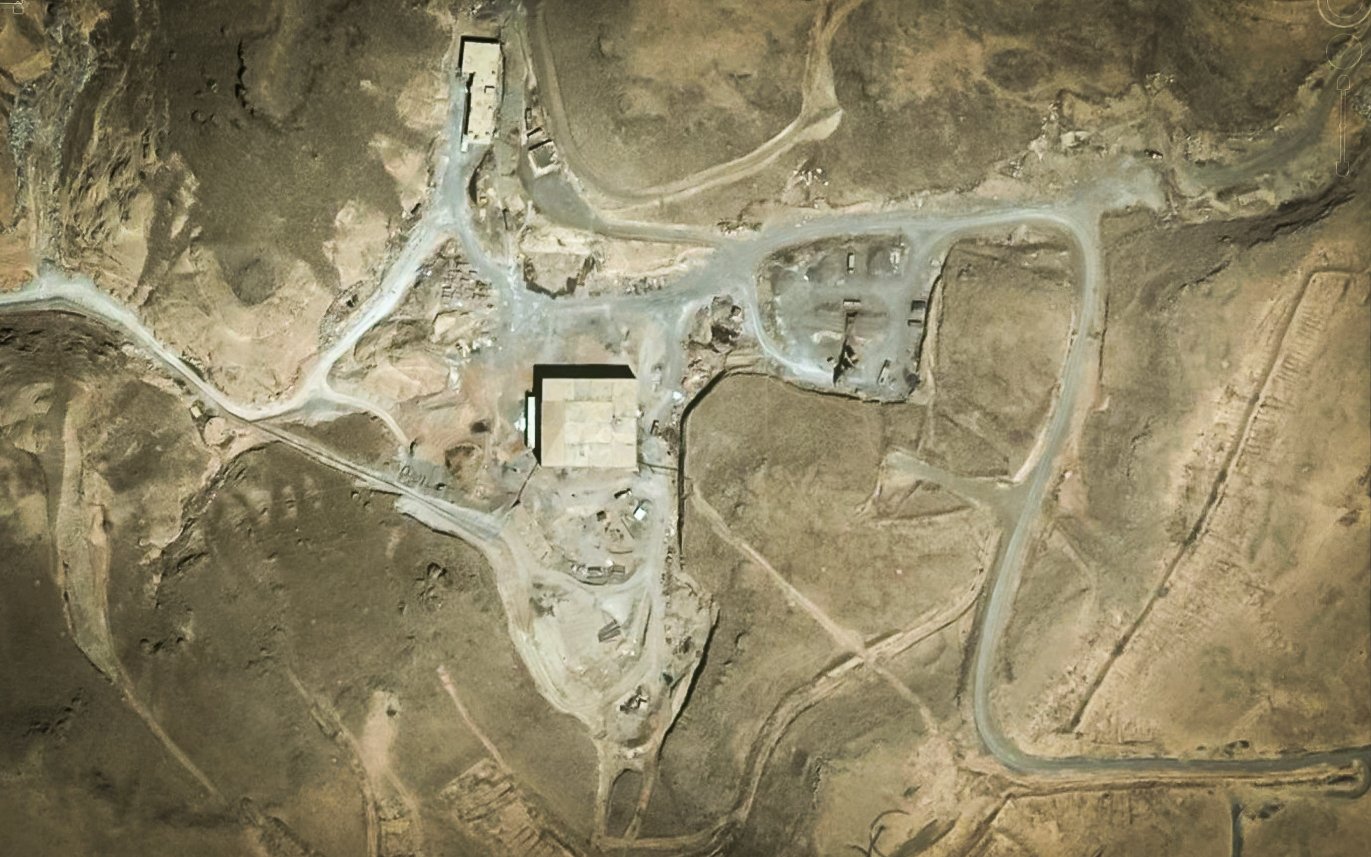
The Deir Ezzor nuclear reactor was the target of an Israeli strike in September 2007, also while Olmert was in office. Then, too, Israel did not take responsibility for the bombing, in part to avoid retaliation from Damascus. Jerusalem officially acknowledged the strike in 2018.
Suleiman “had a hand in everything,” wrote Olmert, highlighting his connection to the Deir Ezzor facility. “A month before the attack, he received a new Mercedes from Assad as a token of appreciation for his contribution to building the reactor.”
In 2024, Olmert also admitted for the first time that Israel was responsible for the death of Hezbollah global operations chief Imad Mughniyeh, who died in a bomb blast in Damascus in February 2008.
Mughniyeh was implicated in some of the Iran-backed terror group’s major attacks, including the 1992 bombing at the Israeli embassy in Buenos Aires and the 1994 bombing of the AMIA building in the Argentinian capital, in which 85 people were killed.






The Times of Israel Community.