

In pre-election briefing, Netanyahu vows to topple Iranian regime, downplays settler violence
In 1st such security briefing since Oct. 7 massacre, PM warns of existential stakes in next week’s ballot, pledges to complete war objectives, and outlines new offensive doctrine, which opposition slams as ‘hollow’
 Add ToI as a Preferred Source on Google
Nava Freiberg is The Times of Israel's deputy diplomatic correspondent.
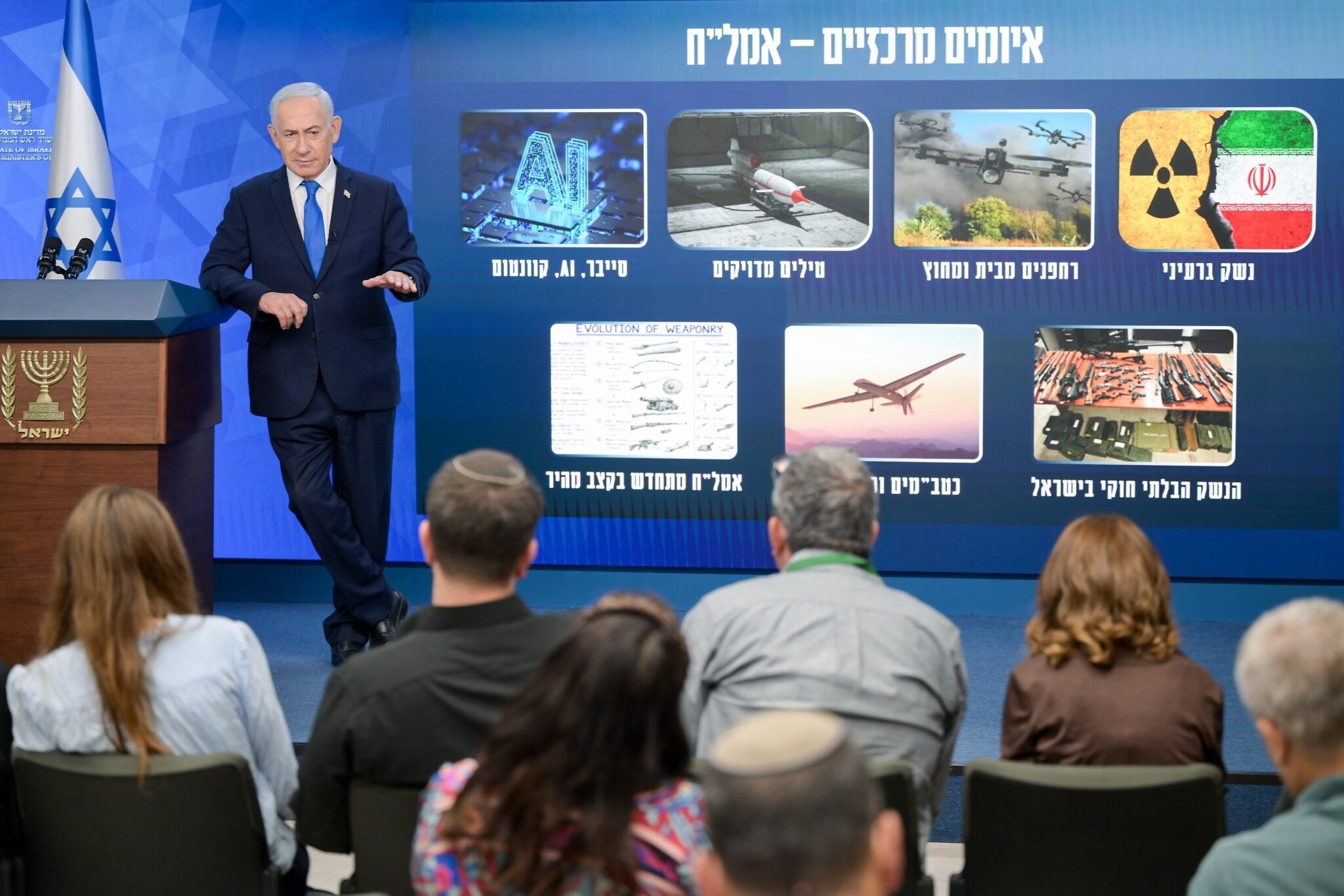
Days ahead of an election he has repeatedly described as “existential,” Prime Minister Benjamin Netanyahu convened Israeli reporters at his Jerusalem office on Sunday for his first in-person briefing to the media on security matters since the Hamas-led massacre on October 7, 2023.
With Israelis heading to the polls on October 27, Netanyahu vowed to bring down the Iranian regime, downplayed the level of West Bank settler violence despite a mounting international backlash, and warned that the election could determine whether Israel completes its military objectives or returns to what he characterized as the failed security policies of the past.
The rare briefing, which lasted some two hours, was boycotted by several prominent outlets amid longstanding criticism of Netanyahu’s limited engagement with the Israeli press.
Over the course of Netanyahu’s presentation of his updated national security doctrine, and the subsequent question-and-answer session, the premier also addressed efforts to disarm Hamas in Gaza and Hezbollah in Lebanon, Israel’s growing isolation on the world stage, and his plans for another right-wing coalition — repeatedly portraying his political opponents as unfit to handle the aforementioned challenges.
National Security Council head Shmuel Ben Ezra, Netanyahu’s military secretary Guy Markizeno, as well as several senior aides and spokesmen, were present at the briefing.
Opposition leaders Yair Lapid and Gadi Eisenkot subsequently lambasted the premier’s updated national security doctrine as an exercise in electioneering, pointing to what they described as failures in achieving key security goals, military preparedness, ultra-Orthodox conscription, international diplomacy and the failures leading up to October 7.
“I fear for the future of the state,” Netanyahu told reporters, warning that a victory for his political opponents could be “a tragedy for generations.”
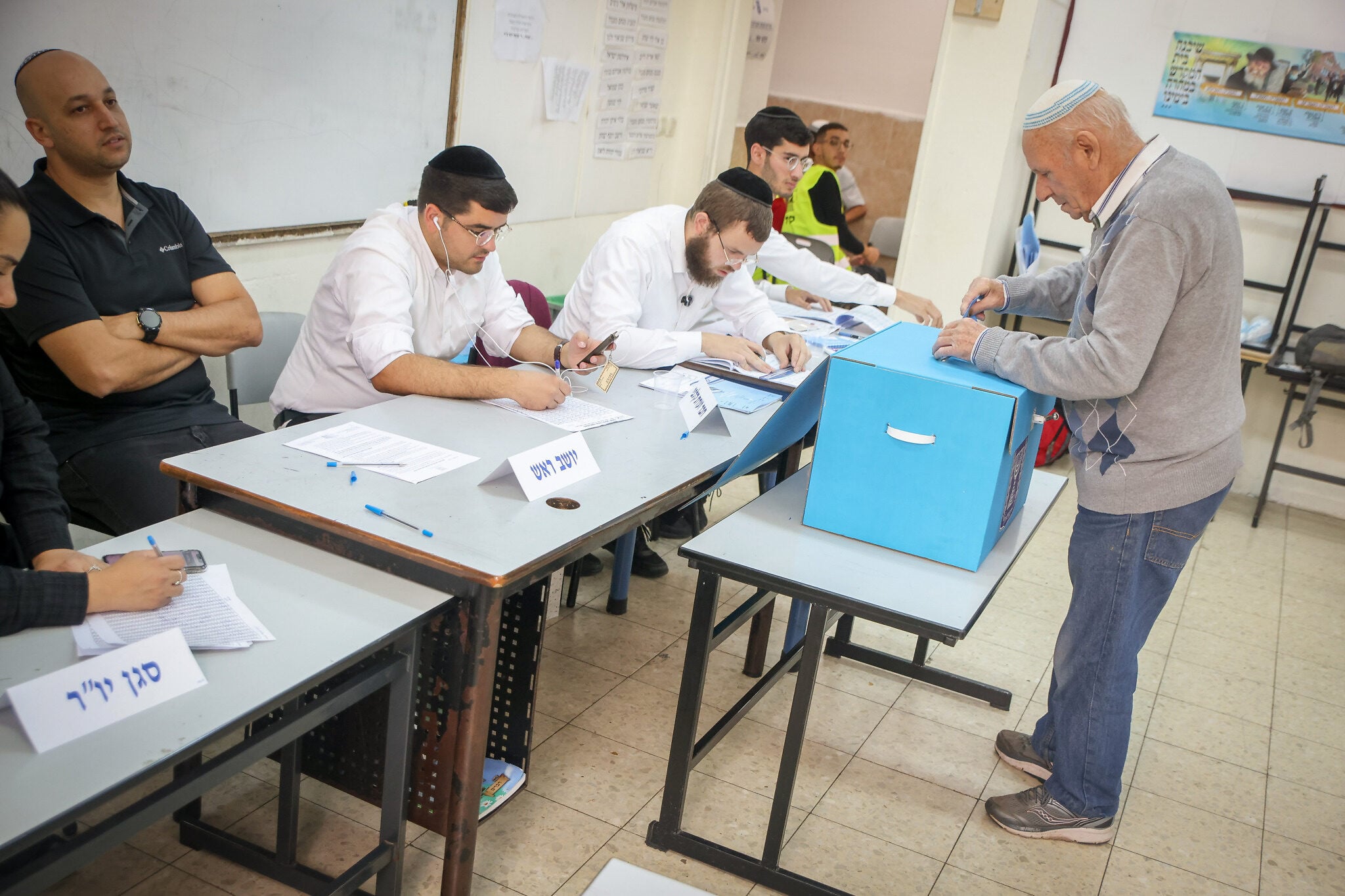
On Iran: ‘I will bring it down’
The central tenet of the new national security doctrine Netanyahu presented was prioritizing preemptive offensive action over the containment of threats, a shift he said was made necessary by the October 7 massacre.
“We changed the Middle East because we changed ourselves,” Netanyahu said, arguing that Israel’s military campaigns against Iran and its regional proxies post-October 7 demonstrated the effectiveness of the more aggressive approach.
The Iranian regime’s nuclear ambitions remain chief among the outstanding threats, Netanyahu told reporters, insisting that toppling the regime continues to be the key strategic objective, even after Israel’s campaigns against Tehran in 2025 and 2026 failed to produce that outcome.
“The regime must fall, and I will bring it down,” he said.
Pressed by The Times of Israel on what he intended to do differently in the next confrontation with Iran — given that past operations did not militarily eliminate the regime or convince the Iranian public to overthrow the government — Netanyahu argued that the regime’s violent suppression of dissent was what prevented an uprising.
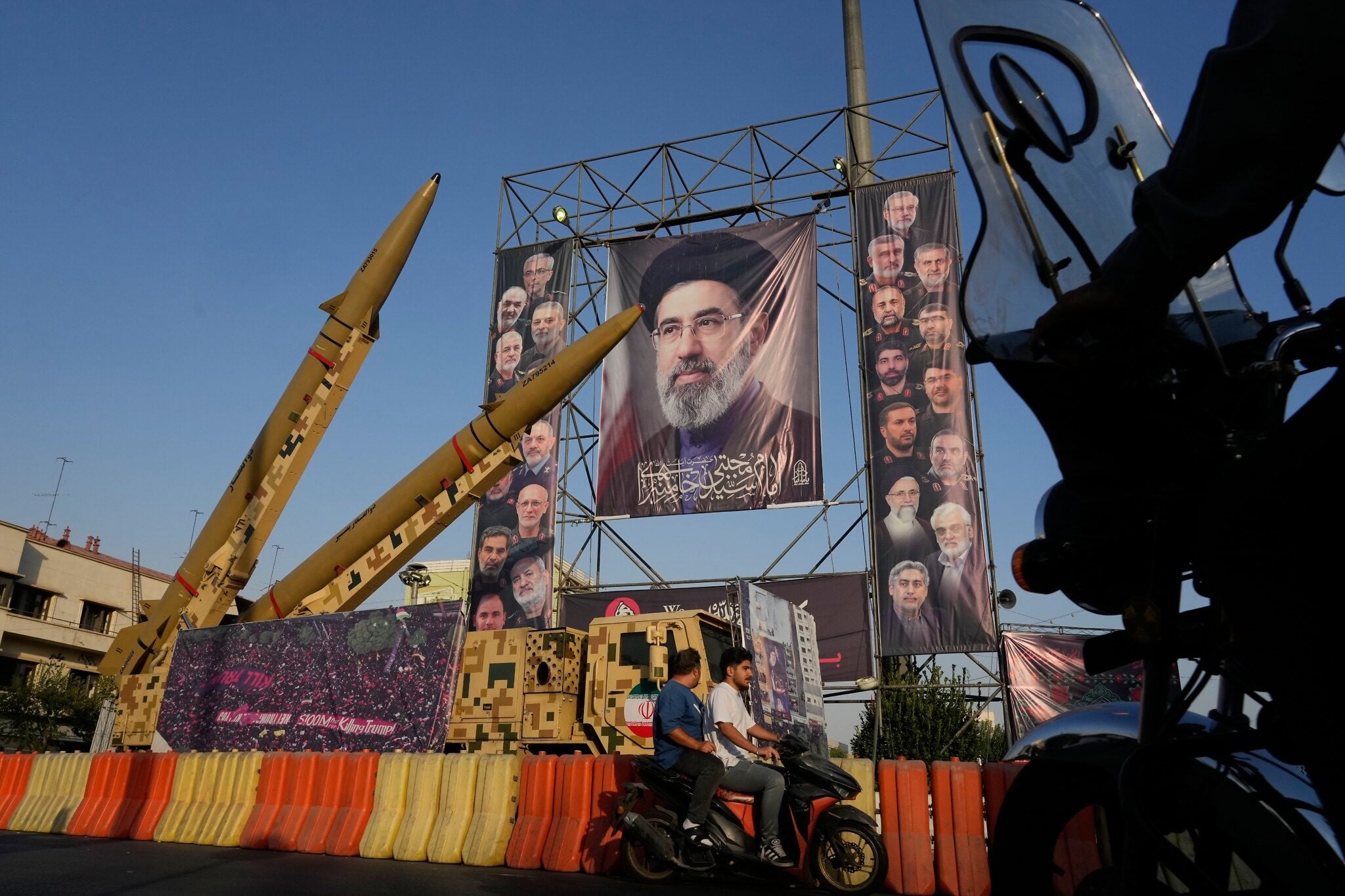
“The Iranians are not taking to the streets because they are being killed,” he said, while claiming that Iran’s worsening economy was beginning to generate mounting public pressure and potentially renewed protests.
“Our plan is a very comprehensive and very determined plan to bring about the fall of the regime. That is my plan. That is the directive I have given all the security agencies, and that is what will happen,” he said.
Netanyahu claimed that 90 percent of the work required to defeat Israel’s enemies had already been completed, but repeatedly linked the completion of the task to his own reelection.
“The test of these elections is who will finish the job,” he said.
Asked whether Israel could pursue its objectives against Tehran without Washington’s backing, Netanyahu stressed that Israeli security necessities were not contingent on American approval.
“And insofar as it is necessary, we will also act independently. We have already done so, and if necessary, we will do so again.”

Settler violence and diplomatic fallout
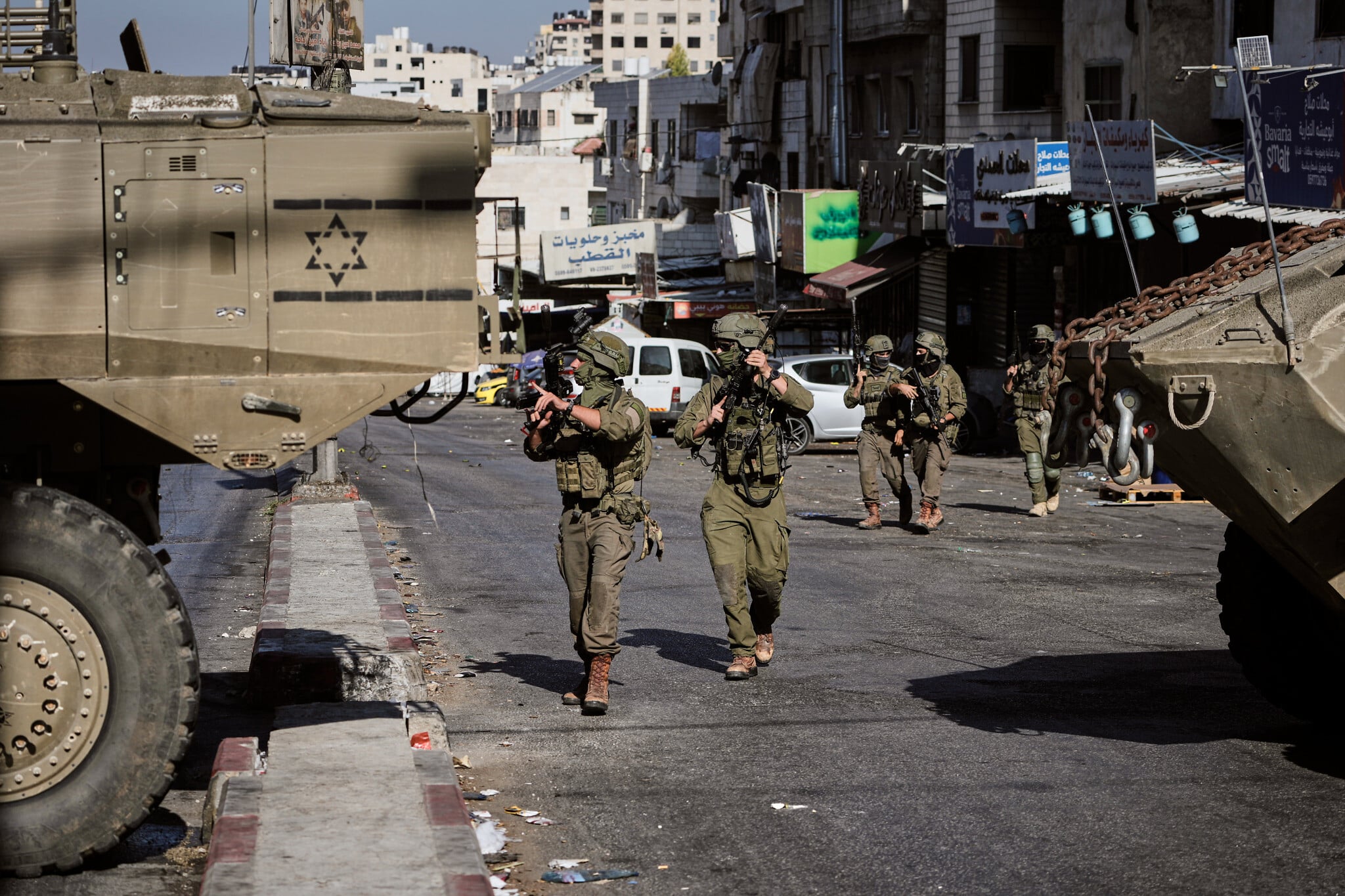
Asked about violence by extremist settlers in the West Bank — after attacks on a Washington Post reporter and European diplomats over the weekend caused international outrage — Netanyahu acknowledged that Jewish rioters were breaking the law and harming Israel, and reiterated that he had brought the Shin Bet security agency in to tackle the issue, but characterized the scale of international attention and condemnation as overdone.
“I think this is a huge exaggeration,” he said, arguing that Israel was being subjected to a wider international propaganda campaign over the issue.
“I think the real danger is that we’re actually facing a major propaganda campaign surrounding these young rioters, who really are causing us enormous damage,” he said, adding: “That is why I brought in the Shin Bet for the first time, and we will employ additional measures to root this phenomenon out completely.”
We’re actually facing a major propaganda campaign surrounding these young rioters, who really are causing us enormous damage.
“But I’m not telling you that the propaganda against us will stop,” he added.
Amid growing diplomatic pressure over burgeoning settler violence and the expansion of settlements in the West Bank, which has become a major source of friction between Israel and several of its allies, Netanyahu rejected European punitive actions, including sanctions, over such issues, claiming that countries that did so were at the same time soft on the Palestinian Authority over its “pay for slay” policy of paying stipends to terror convicts and their families (the PA has introduced a needs-based welfare system to replace its controversial payments, though questions remain about whether the previous system has been meaningfully dismantled).
More broadly, Netanyahu dismissed warnings that Israel’s deteriorating international standing posed a severe strategic threat, arguing that the country was the target of a sustained propaganda assault but that its growing military and economic strength would ultimately improve its diplomatic position.
On Gaza, Lebanon
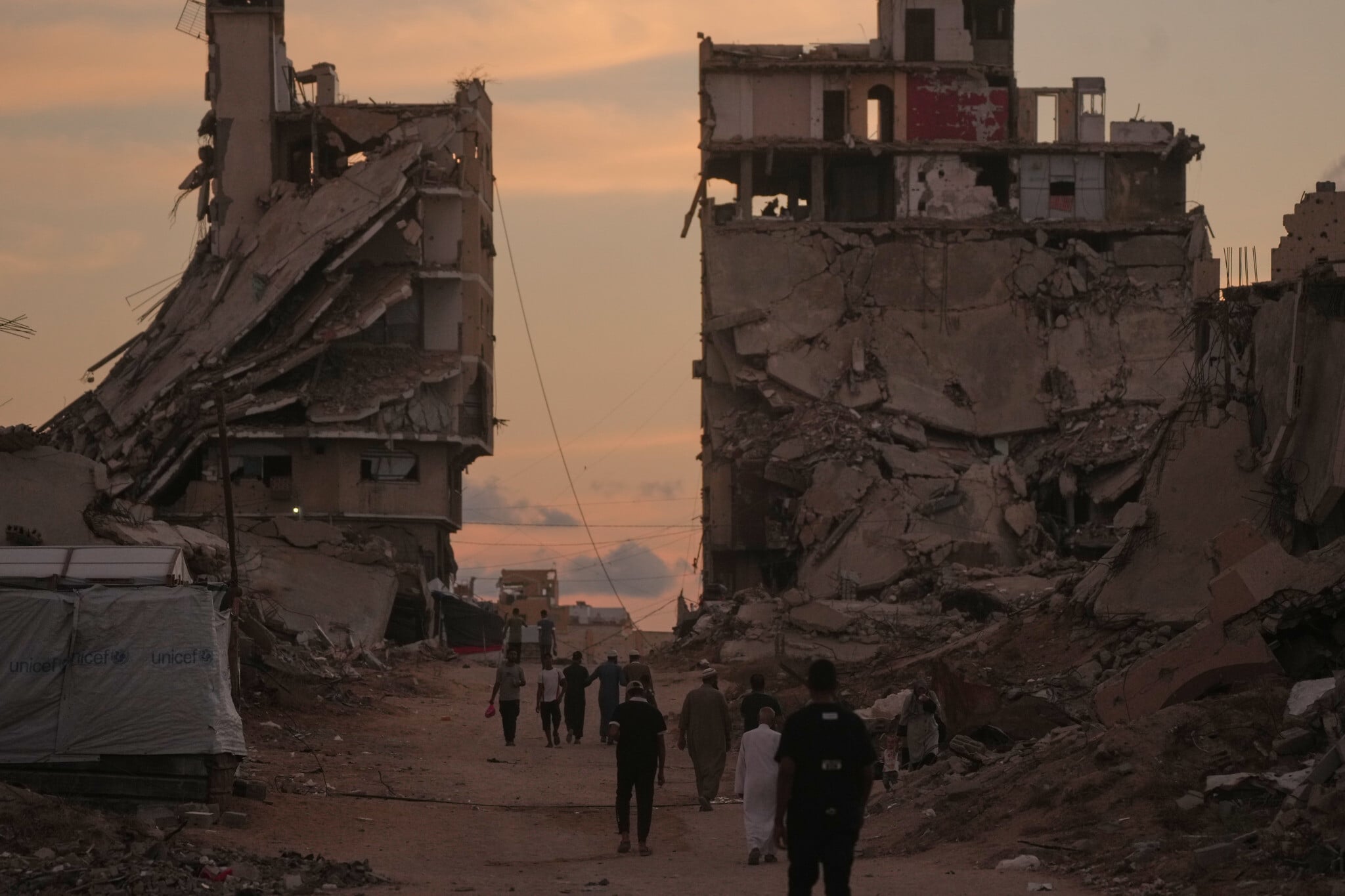
On Gaza, Netanyahu reiterated that Israel would not permit reconstruction before Hamas was disarmed and the territory demilitarized, despite the Trump administration pushing to advance its 20-point plan for the Strip.
He said Israel had agreed to a limited “Emirati bubble” in part of its security zone and approved certain infrastructure work connected to it, while insisting that if the international community failed to provide a force capable of disarming Hamas, Israel would carry out the mission itself.
In response to another Times of Israel question, on Lebanon, ahead of another round of security talks this week, Netanyahu said Israel had allowed the Lebanese army to demonstrate its ability to clear Hezbollah infrastructure in two pilot areas, but that it had so far “not demonstrated sufficient capabilities.”
Netanyahu insisted that if Lebanon’s military could not eliminate the threat posed by Hezbollah, Israel would need to do so itself, and suggested that dismantling the terror group one way or another would open the door to a peace agreement with Beirut.
US ties, regional alliances
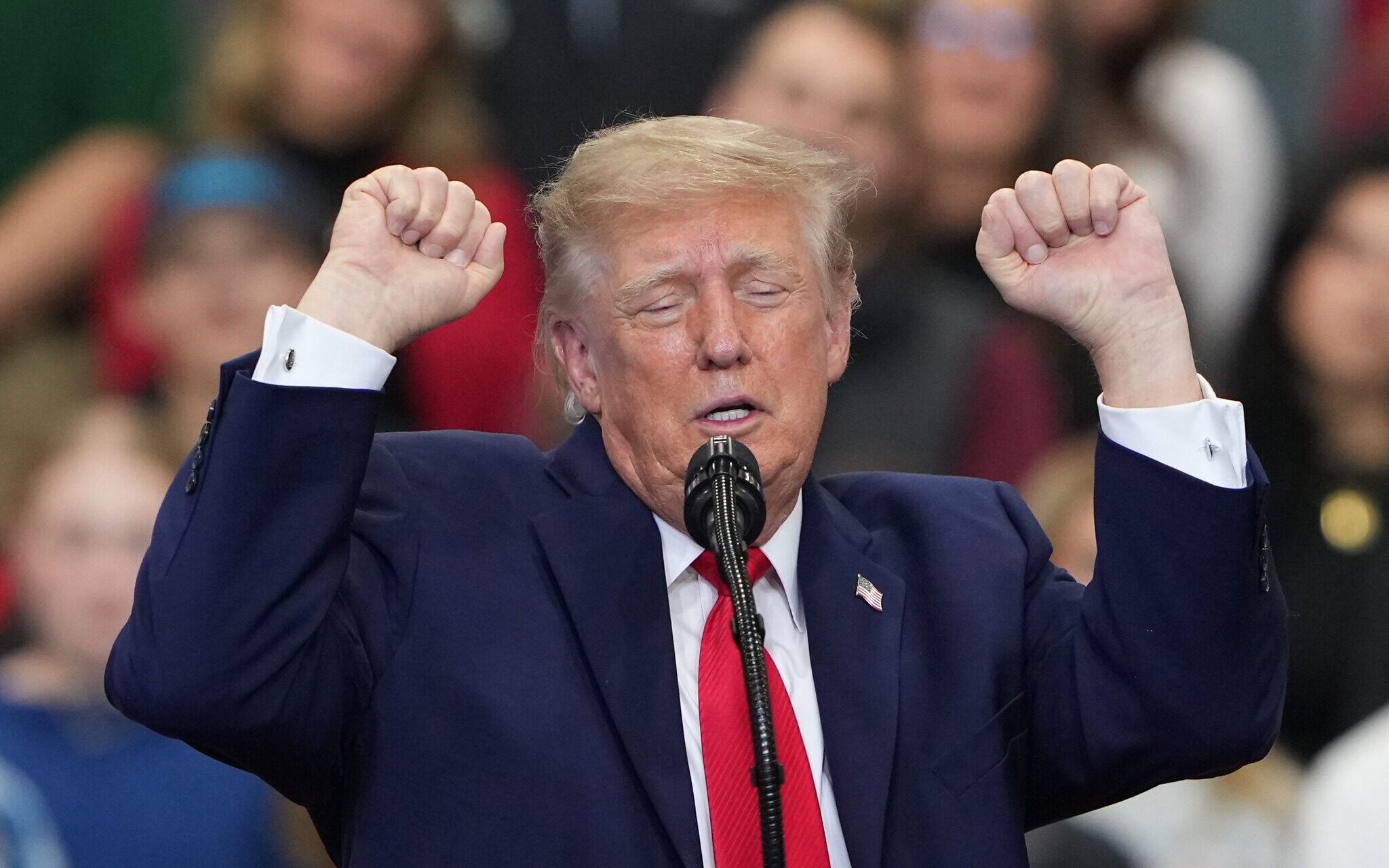
Netanyahu warned that Israel had a limited window to advance its objectives under the mostly warm ties with US President Donald Trump before a potentially less friendly Washington administration takes office.
“In two years, a president — male or female — could come to power in Washington who is very hostile to Israel. We must do everything in our power during these two years and work to establish many alliances in our region and beyond,” he said.
He identified India and countries across Latin America — which has largely shifted to the right — as prospective partners, while arguing that Israel’s growing strength was attracting overtures from Arab and European governments despite their public criticism.
“Countries in Europe condemn us and then come asking for Arrow [air defense] missiles… what audacity,” he said.
Asked about reported Israeli assistance to Saudi Arabia against the Houthis, Netanyahu declined to detail any cooperation but said numerous regional countries were quietly approaching Israel, adding that “the prime minister of Israel must be someone who knows how to operate on the international stage.”
He also acknowledged differences with Trump over Turkey’s President Recep Tayyip Erdogan and described efforts to prevent Ankara from expanding its military presence in Syria.
“I hope we don’t reach a direct confrontation,” Netanyahu said, adding that Israel was preparing for various contingencies.
He added that he was in contact with Russian President Vladimir Putin “as needed,” despite differences over Moscow’s cooperation with Iran.
The next coalition
Netanyahu repeatedly turned questions about national security into attacks on his political rivals, arguing that a change in government could undo Israel’s military gains.
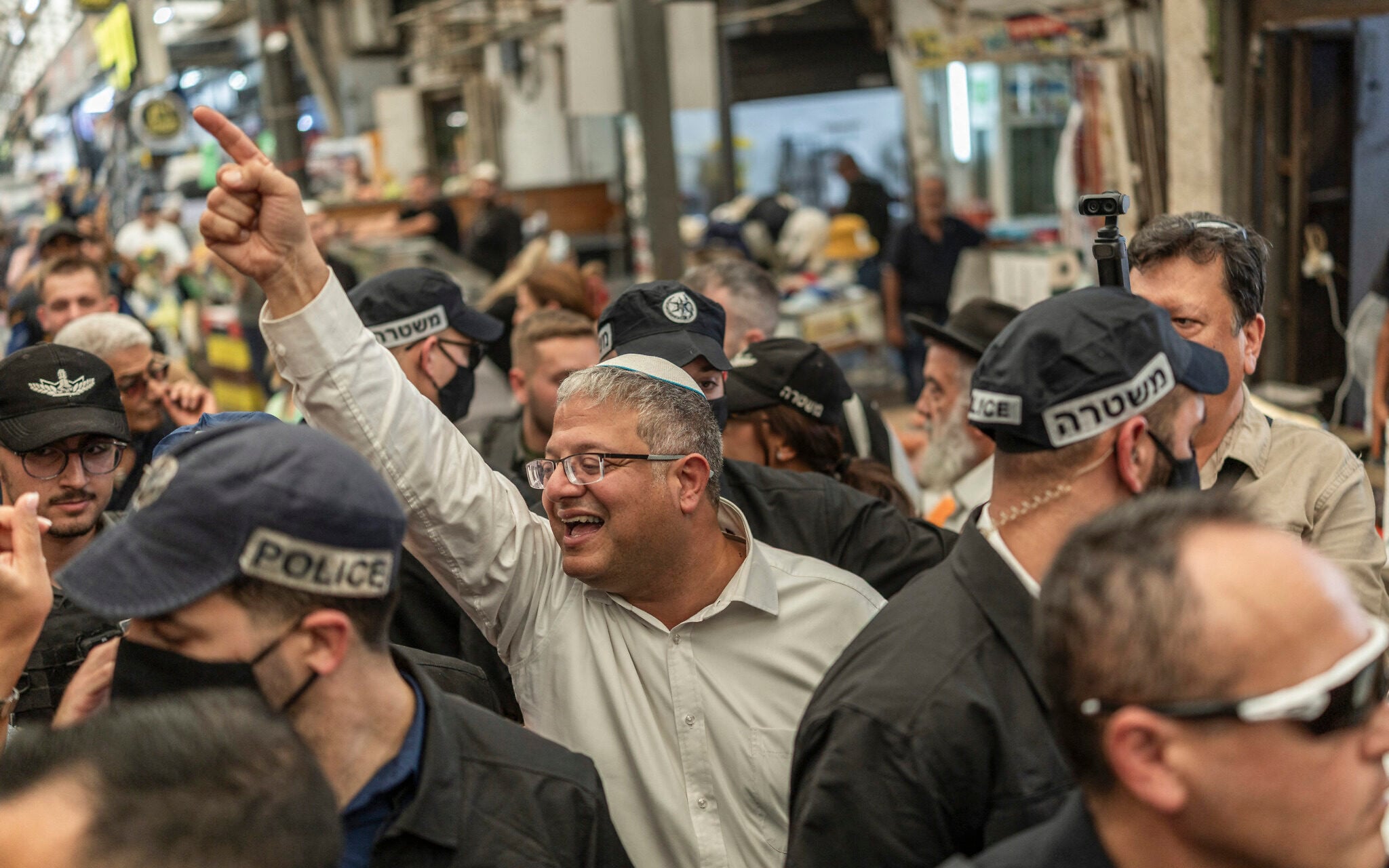
He ruled out excluding National Security Minister Itamar Ben Gvir’s party from a future coalition, saying that while he will seek to keep national security portfolios under the control of his Likud party, his current coalition partners had worked well together.
He also rejected the prospect of a unity government with his political opponents, saying he seeks to form “a broad national government,” asserting that “the leaders of the left are far more extreme than their voters,” and arguing that ideological differences would stall decision-making at a critical moment for the country’s security. (The anti-Netanyahu bloc includes the right-wing Yisrael Beytenu, B’Yachad under right-winger Naftali Bennett and the centrist Yashar.)
On the contentious question of ultra-Orthodox military conscription, Netanyahu said he would seek to pass legislation after the elections to expand Haredi recruitment, stressing that he had fallen just one vote short of doing so with his coalition’s previous bill, saying “most of the ultra-Orthodox MKs were willing to support the law.” (Critics have said that the legislation would have broadly maintained the exemption from military service for most Haredi males.)
Post-Oct. 7 security doctrine
Before the question-and-answer session, Netanyahu spent nearly an hour presenting his revised conception of Israeli national security, which he said had changed in significant ways since a doctrine he had outlined in 2018.
The presentation emphasized offensive initiative and preemptive action over containment, alongside stronger border defenses, military superiority, intelligence capabilities, technological innovation and greater independence from foreign arms suppliers.
Netanyahu said Israel would need to increase domestic weapons production, including in underground facilities, as part of a security investment totaling roughly NIS 450 billion ($145 billion).
“As a direct result of the power” Israel has demonstrated, he said, Jerusalem is currently working to establish new alliances “with a great many countries.”
He reiterated that “a Palestinian state will not be established here, because it would serve as Iran’s launchpad for destroying us.”
He outlined emerging threats including precision-guided missiles, drones, unmanned maritime systems, cyberwarfare, artificial intelligence and quantum technologies, while identifying both the Iran-led Shiite axis and the Turkey-led Muslim Brotherhood axis as major regional challenges.
Netanyahu also emphasized the need to strengthen Israel’s regional and international alliances while maintaining its ability to act independently, even when close partners disagree.
“We are going to live by our sword for many years — and it’s important that the sword be sharp,” he said.
Opposition slams ‘hollow’ doctrine
Hours after the briefing, both Lapid and Eisenkot accused Netanyahu of attempting to deflect attention from his record rather than meaningfully confront the lessons of October 7.
Eisenkot, head of the Yashar party and Netanyahu’s chief political rival, called the two-page summary document released by the premier’s office after the event “hollow” and “filled with slogans that have absolutely nothing to do with a security doctrine,” accusing the premier of failing to achieve the war’s central objectives despite the accomplishments of Israel’s security forces.
In a Hebrew-language post on X, he pointed to what he said were 40,000 armed Hamas operatives still in Gaza, Hezbollah’s ongoing efforts to rebuild its military capabilities, the deteriorating security situation in the West Bank, and deepening divisions within Israeli society.
Eisenkot pledged that a government under his leadership would formulate and formally adopt a national security strategy within 150 days of taking office, in accordance with legislation he said he advanced alongside former Knesset Foreign Affairs and Defense Committee chairman Yuli Edelstein.
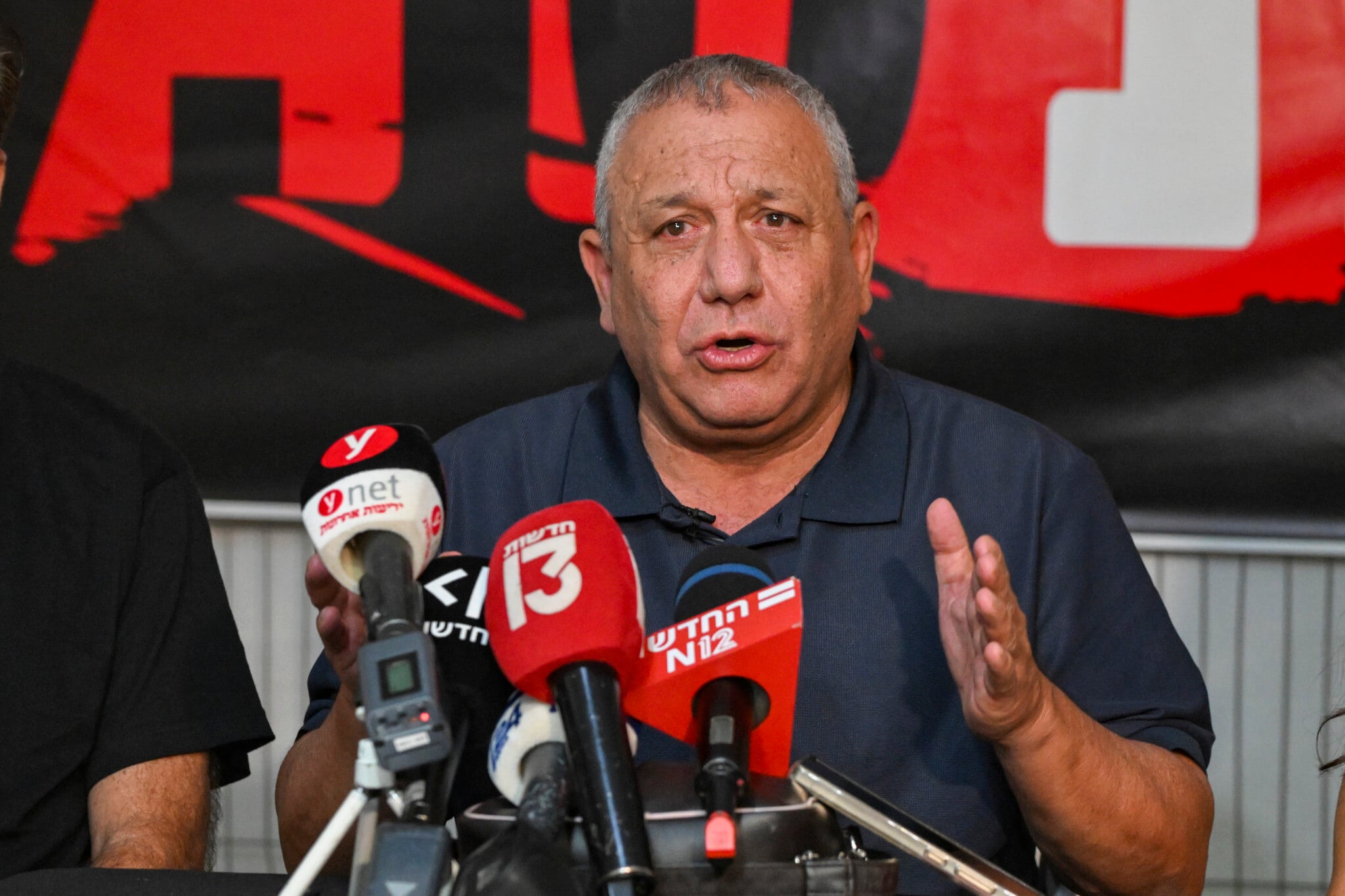
In a separate Hebrew-language post, Lapid similarly dismissed Netanyahu’s presentation as “a collection of inflated slogans devoid of substance,” challenging its emphasis on military superiority while Netanyahu’s government continued to pursue legislation exempting many ultra-Orthodox men from military service.
He also questioned how the doctrine’s focus on intelligence preparedness could be reconciled with Netanyahu’s refusal to establish a state commission of inquiry into October 7, and how its emphasis on international alliances squared with Israel’s deteriorating standing in Washington and among many regional countries.
When pressed on some of those issues during his briefing, Netanyahu again advocated for establishing a politically appointed commission of inquiry surrounding the October 7 failures and argued that Israel’s military and industry fields would help boost future ties despite its current isolation on the world stage.
Lapid pledged to end Netanyahu’s “policy of containment” by excluding Turkey and Qatar from Gaza’s postwar arrangements, halting the flow of Qatari funds into the territory, eliminating Hamas’s military capabilities and Hezbollah’s remaining presence in southern Lebanon, and intensifying operations against Iran, including strikes on its oil industry.
He also pledged to recruit 20,000 ultra-Orthodox men within two years, claiming that cutting funding associated with draft exemptions could save the economy NIS 30 billion annually for reinvestment in defense.


The Times of Israel Community.