

Trump says he’s given Iran deadline to accept deal before potential strike
Iran says defense capabilities ‘never’ up for negotiation, as US missile destroyer reaches Eilat; FM Araghchi says ready for talks ‘on equal footing, based on mutual respect’
 Add ToI as a Preferred Source on Google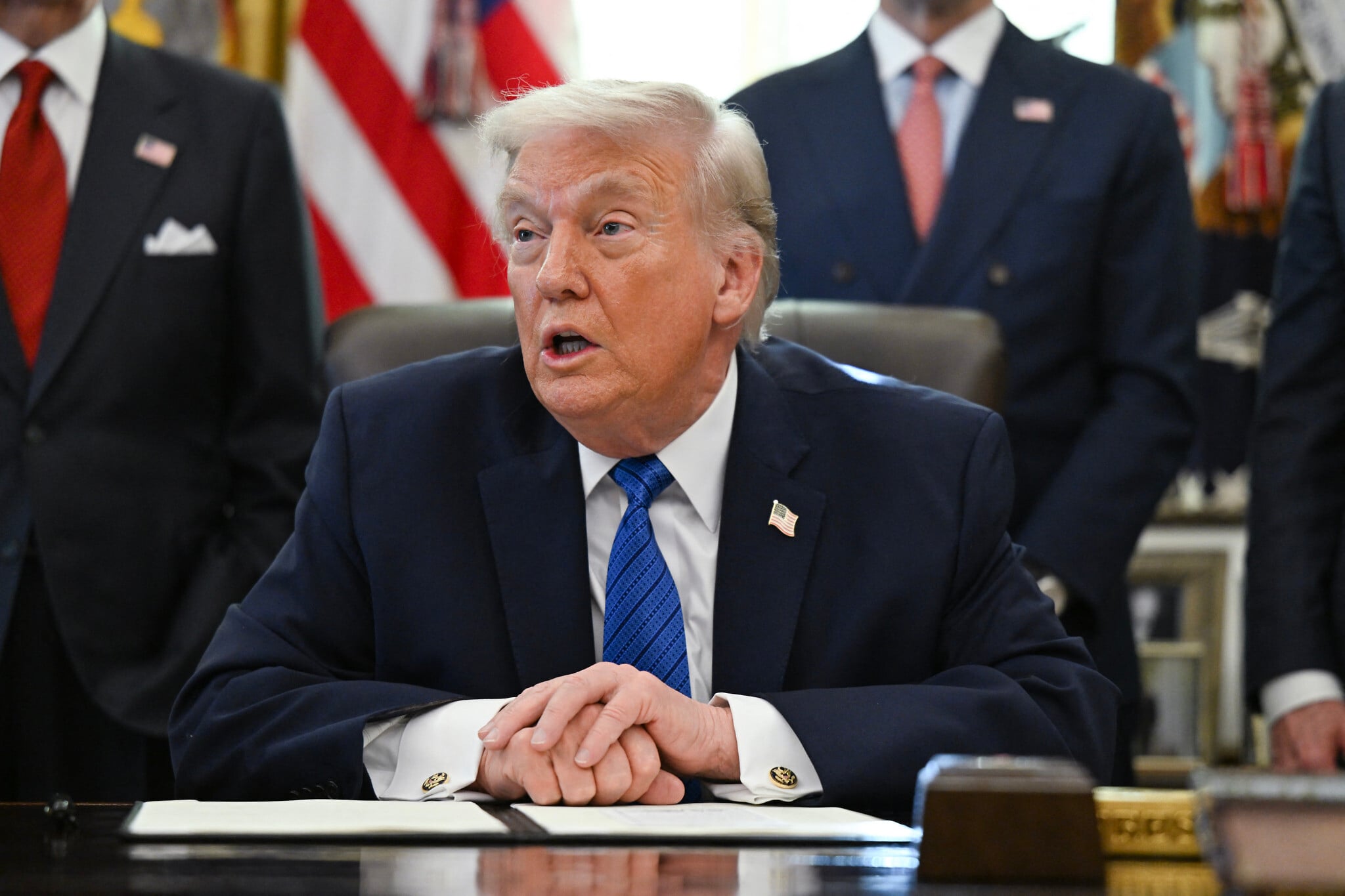
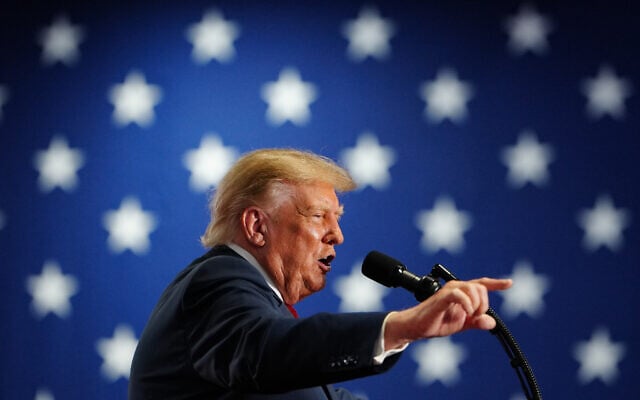
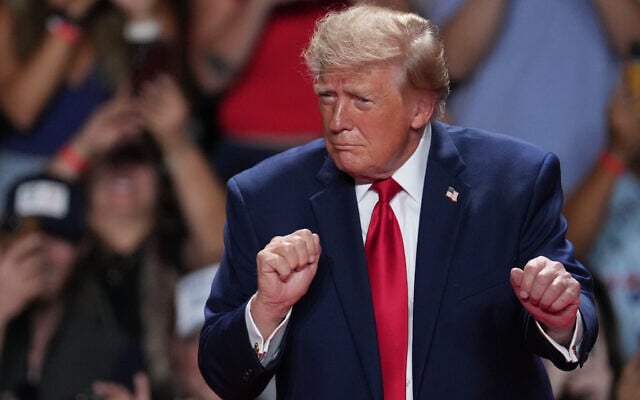
US President Donald Trump said Friday he had given Iran a deadline to make a deal, as Washington moved significant military assets to the Middle East ahead of a potential strike on the Islamic Republic.
Asked by reporters in the Oval Office whether he’d set a deadline for Iran before a potential strike, Trump confirmed that he had communicated one directly to Tehran, adding, “Only they know for sure.”
He did not reveal the timing of that deadline.
Asked if there was a timeline for when the US forces in the region might pull back, Trump was noncommittal. “They have to float someplace. They might as well float near Iran.”
He reiterated his “appreciation” of the regime’s purported calling off of over 800 executions of anti-government protesters — something Tehran has not confirmed it was planning to do.
Trump had threatened to strike the regime if it killed protesters, which it is widely reported to have done in the thousands.
Reporter:
Is Iran giving any deadline for reaching a deal?Trump:
Only they know for sure. pic.twitter.com/6uOGziaK1m— MOSCOW NEWS ???????? (@MOSCOW_EN) January 30, 2026
“We have a large armada flotilla heading toward Iran right now,” Trump reiterated.
“Hopefully, we’ll make a deal. If we do make a deal, that’s good. If we don’t make a deal, we’ll see what happens,” Trump said.
The US has said a deal with Iran will have to include a ban on uranium enrichment in Iran, the removal of already-enriched uranium from Iran, a cap on Iran’s stockpile of long-range missiles and a rollback of Iran’s support for proxies in the region — all terms that Tehran has said it will not accept.
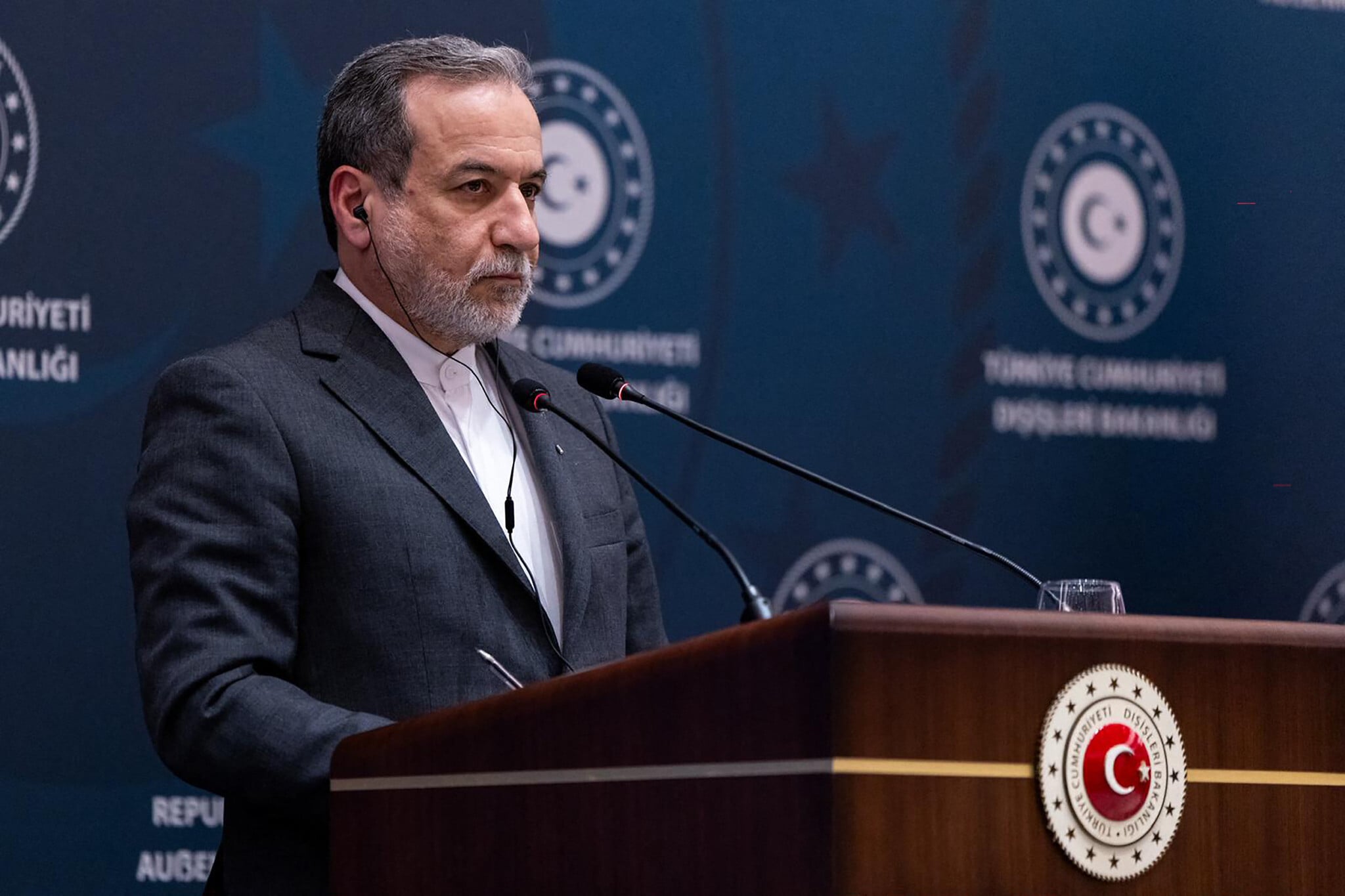
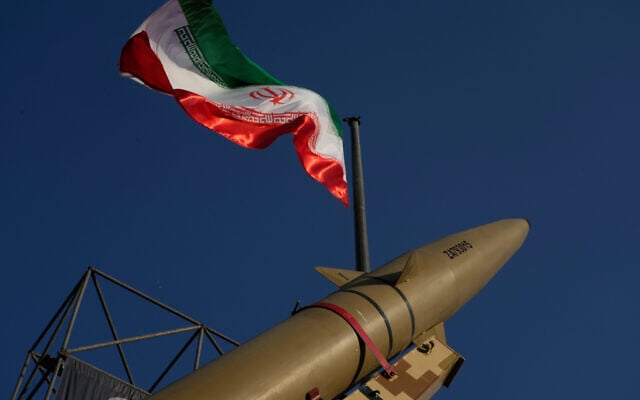
Iran’s top diplomat said Friday that his country’s missile and defense capabilities would “never” be on the negotiating table.
Foreign Minister Abbas Araghchi said Tehran was “ready to begin negotiations if they take place on an equal footing, based on mutual interests and mutual respect,” during a visit to Turkey, which has led a diplomatic push to mediate between Tehran and Washington.
But, he emphasized, “I want to state firmly that Iran’s defensive and missile capabilities will never be subject to negotiation,” adding that no plans were in place to meet with US officials about resuming talks.
“We will preserve and expand our defensive capabilities to whatever extent is necessary to defend the country,” Araghchi said, as he met with Turkish Foreign Minister Hakan Fidan.
Serhan Afacan, director of IRAM, the Ankara-based Centre for Iranian Studies, told AFP that trying to broker a deal now on the nuclear file along with other issues would likely “be impossible.”
“For now, the ballistic missile program remains a red line, as it sits at the core of Iran’s defense architecture,” he said.
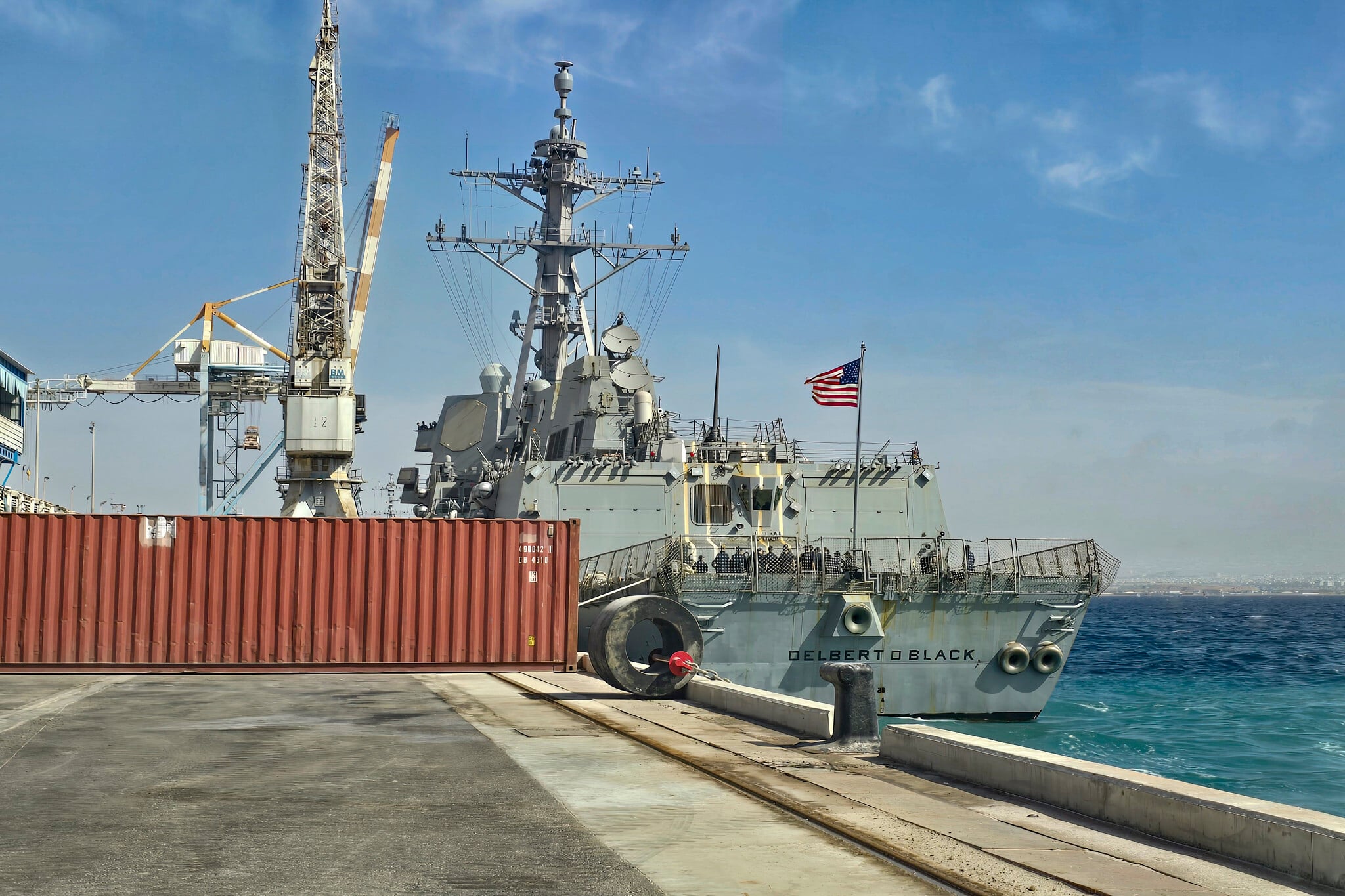
Meanwhile, an American missile destroyer docked at Israel’s Red Sea port city of Eilat on Friday. The IDF said that the arrival of USS Delbert D. Black in Eilat was pre-planned and part of the ongoing cooperation between the army and the US military.
The US in recent weeks has been moving military assets to the Middle East, boosting available firepower and defensive capabilities in the region, and giving Trump the option to launch an attack on Iran. American warships regularly sail in the Red Sea area, although their arrival at Eilat Port is rare.
America’s regional allies, including Turkey, the United Arab Emirates and Saudi Arabia, have been engaging in diplomatic efforts to prevent a military confrontation between Washington and Tehran.
In response to US threats of military action, Araghchi said Tehran was ready for either negotiations or warfare, and also ready to engage with regional countries to promote stability and peace.
Araghchi and Fidan said they had been speaking to each other almost every day to discuss the tensions.
British Prime Minister Keir Starmer said Friday that the UK was working with allies to prevent Tehran from developing nuclear weapons when asked whether he would support possible US strikes on Iran.
“The goal, or the aim, here is that Iran shouldn’t be able to develop nuclear weapons, and that is hugely important,” Starmer told BBC News.
Asked whether his comments suggested he could support any US strikes, he said: “I am saying we support the goal and we are talking to allies about how we get to that goal.”
He also criticized Iran’s treatment of protesters, saying the killing and repression of demonstrators was “grotesque” after an Iranian official confirmed at least 5,000 people had been killed in nationwide protests.
Reports from the Iranian opposition and some rights groups indicate the toll could be far higher.
Reviewing the options
US officials say Trump is reviewing his options but has not decided whether to strike Iran.
Trump has repeatedly threatened to intervene if Iran continued to kill protesters in its crackdown on the countrywide demonstrations over economic privations and political repression, but the protests have since abated.
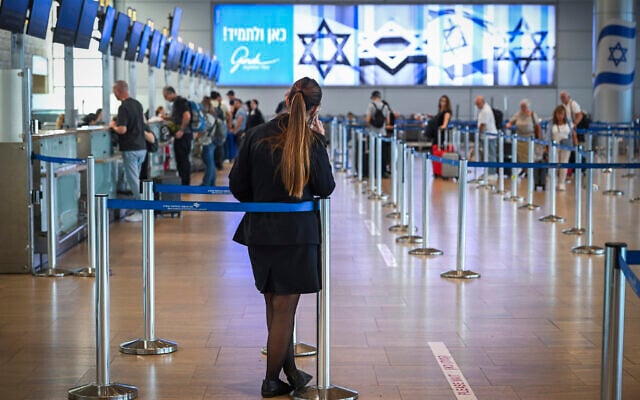
Amid the ongoing tensions with Iran, IDF Spokesman Brig. Gen. Effie Defrin reiterated that there was no change to the military’s guidelines for the Israeli public.
“This Sabbath, like the previous ones, I wish to emphasize and reassure: We are on high alert and continuously monitoring developments. There is no change to the guidelines. If there is any change, we will update accordingly,” he said in a post on X.
Earlier on Friday, Turkish President Recep Tayyip Erdogan told his Iranian counterpart Masoud Pezeshkian in a call that Ankara was ready to play a “facilitator” role between the sides.
NATO member Turkey shares a border with Iran and opposes any foreign intervention there. It has called for US-Iran dialogue to avoid further destabilization and has been in touch with both sides to seek a solution.
Speaking alongside Araghchi, Fidan said he had long discussions on the issue with US special envoy Steve Witkoff on Thursday and would keep lines open with Washington to avoid conflict and the isolation of Iran.
Fidan said US-Iran nuclear negotiations must restart and would pave the way to lifting sanctions on Iran. “We call the parties to the negotiating table” to address the issues “one by one,” he said.
Trump on Friday confirmed he has had dialogue with Iran, as The New York Times reported he was considering potential raids by American troops on facilities within the Islamic Republic.
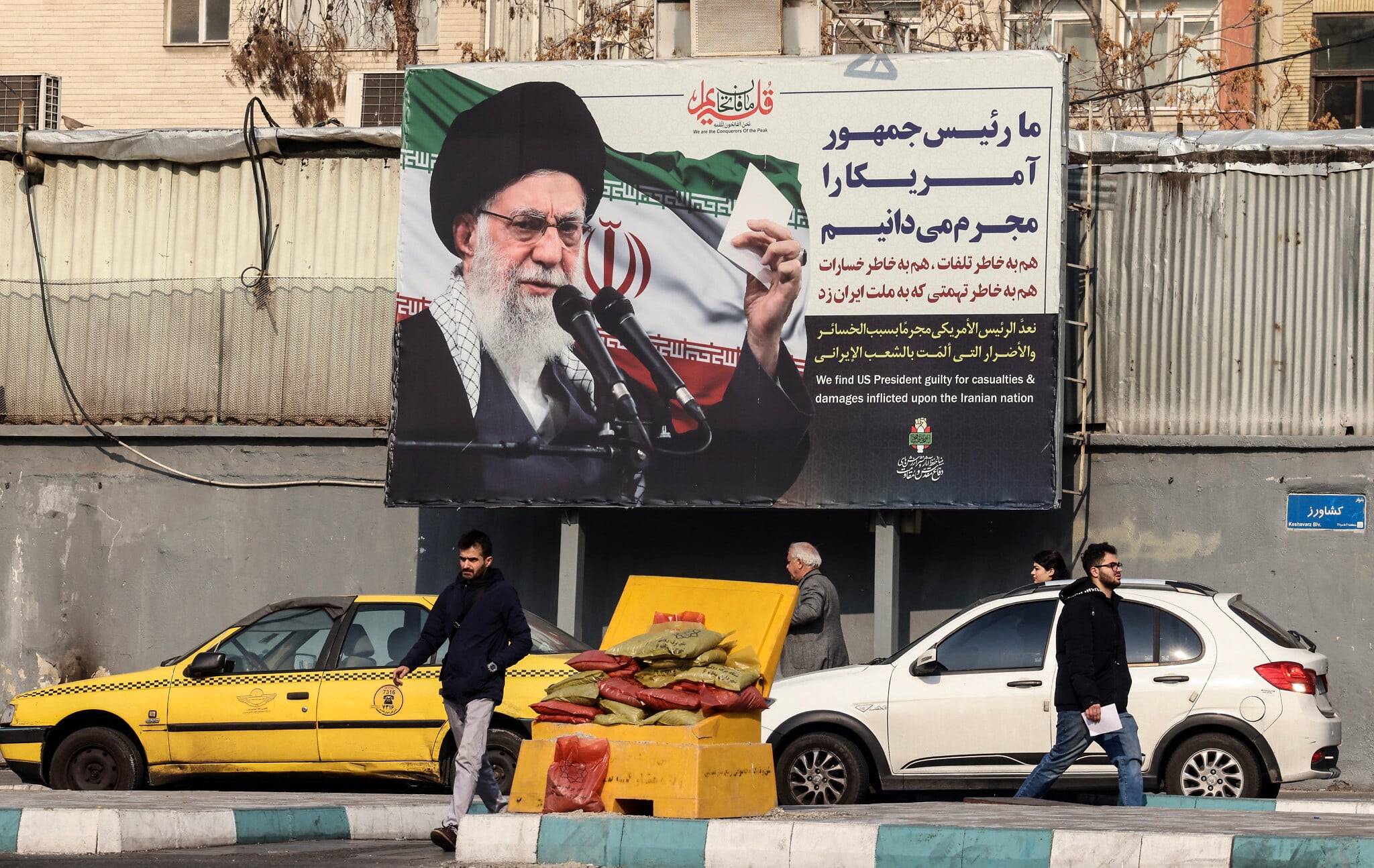
“We have a lot of very big, very powerful ships sailing to Iran right now, and it would be great if we didn’t have to use them,” Trump told reporters.
Asked if he had had any conversations with Iran in the last few days or if he was planning to, Trump responded, “I have had, and I am planning on it.”
Citing US officials, the newspaper said among the options being considered are potential raids by US troops, such as sending commandos to nuclear facilities that were not damaged during the 12-day war in June.
Another operation would include several strikes against the Islamic Republic’s leadership with the aim of creating the chaos needed for Iranian security forces to oust Khamenei, the report said, while adding it was “unclear” who would run the country instead in such a situation, or whether they would be more amenable to good ties with the West.
Israel, meanwhile, is pressing for a joint operation to go after Iran’s ballistic missile program, which has largely recovered since June, officials told The Times.
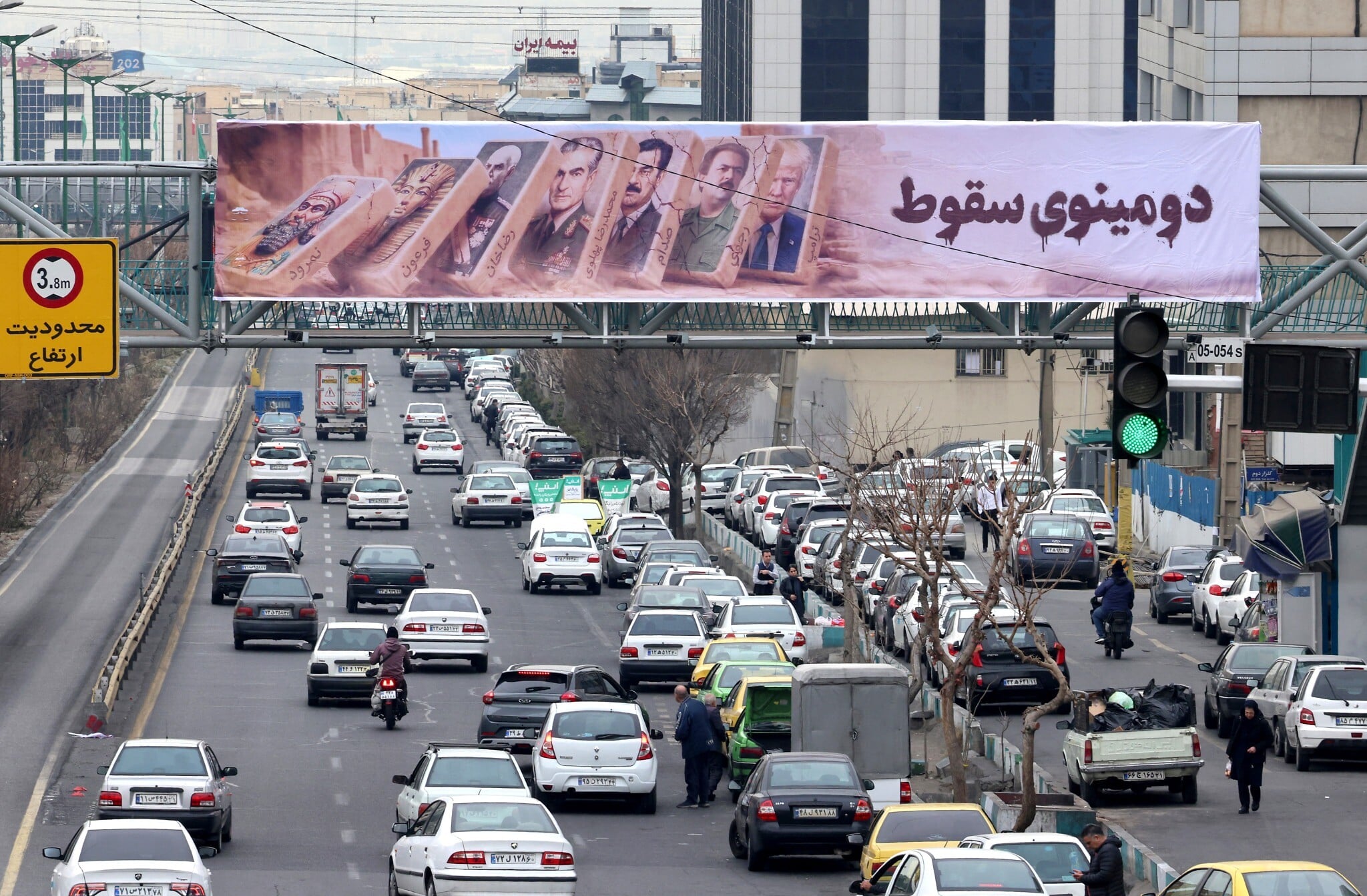
All the options go beyond those that were presented two weeks ago to the US president, according to the officials.
The officials said that Trump is adopting a similar approach to Iran as the one he took toward Venezuela by building up forces nearby while threatening the country’s leader to accept his demands or face military action.
However, one of the officials said that the US president and his top aides understand that an operation against the Islamic Republic would be far more risky than the operation in Venezuela.
The report said officials are doubtful that Tehran will accept Washington’s negotiating terms.
A potential directive from Trump on a strike is expected in the coming days, once all of the US military assets heading to the Middle East are in place, a senior US official told Channel 12 on Thursday. Iran has repeatedly threatened to strike American targets in the Middle East and Israel if the US attacks.
Israeli officials do not believe that a limited US strike will bring down the Iranian regime, and Trump shares their assessment, according to Channel 12. Therefore, they assessed that Trump will focus a potential attack on physical Iranian assets, especially its nuclear and missile programs.





The Times of Israel Community.