

Iraq’s top judge says pro-Iran militias will coordinate with state on gun control
Judge says limits on use of arms to begin when need for fighting ceases, but Kataeb Hezbollah insists it will only discuss giving up weapons when foreign troops leave
 Add ToI as a Preferred Source on Google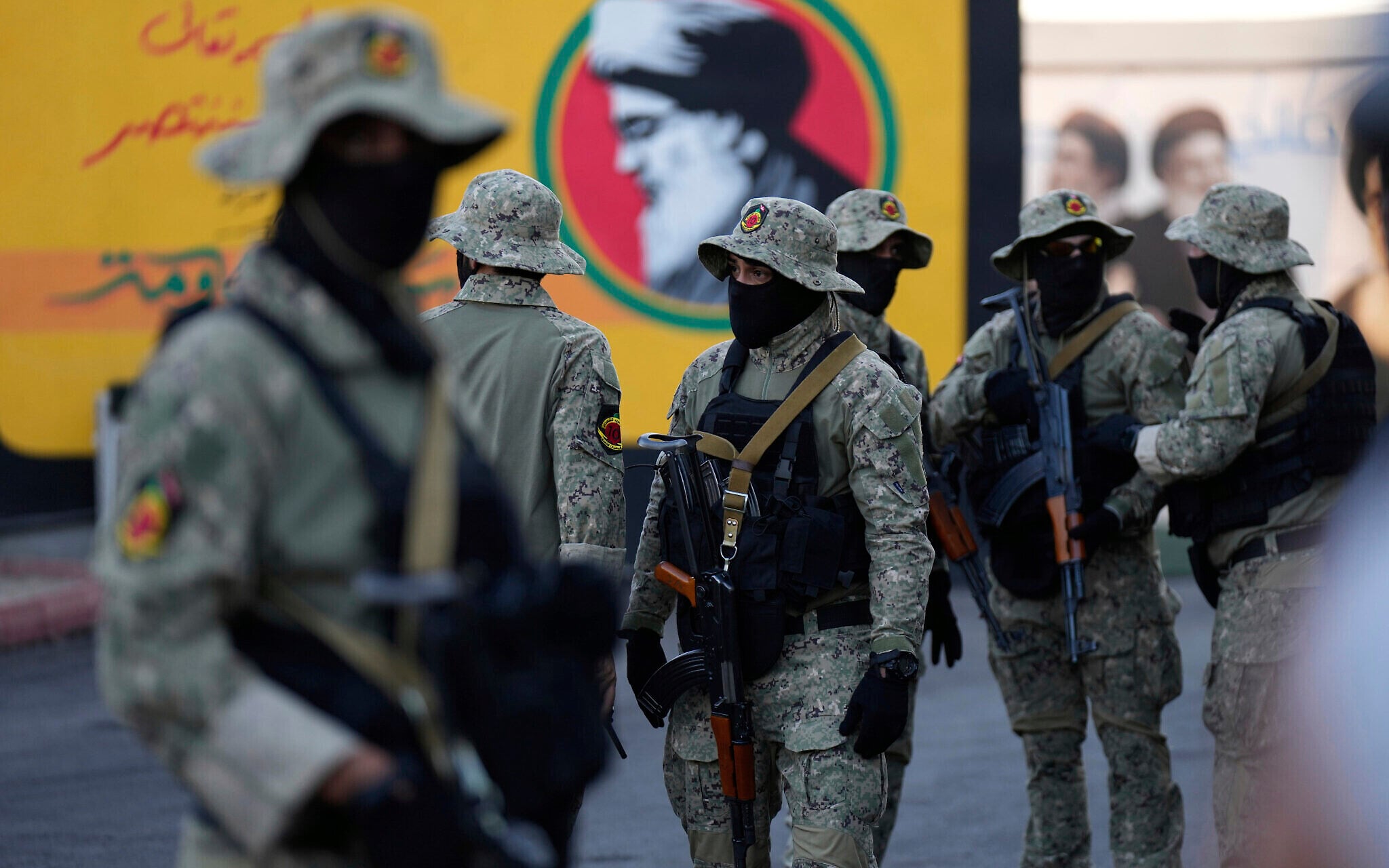
BAGHDAD, Iraq — The head of Iraq’s highest judicial body said Saturday that the leaders of armed factions have agreed to cooperate on the sensitive issue of the state’s monopoly on weapons.
However, the powerful Kataeb Hezbollah group said that it would only discuss giving up its arms when foreign troops leave the country.
“The resistance is a right, and its weapons will remain in the hands of its fighters,” the group said in a statement.
The leaders of three other pro-Iran factions designated by Washington as terrorist groups said that it is time to restrict weapons to state control, although they too have stopped short of committing to disarm — a long-standing US demand.
Faiq Zidan, the head of Iraq’s Supreme Judicial Council, in a statement, thanked “faction leaders for heeding his advice to coordinate together to enforce the rule of law, restrict weapons to state control, and transition to political action after the national need for military action has ceased.”
After Iraq’s general elections in November, the United States demanded that the new government exclude six groups it designates as terrorists and instead move to dismantle them, Iraqi officials and diplomats told AFP.
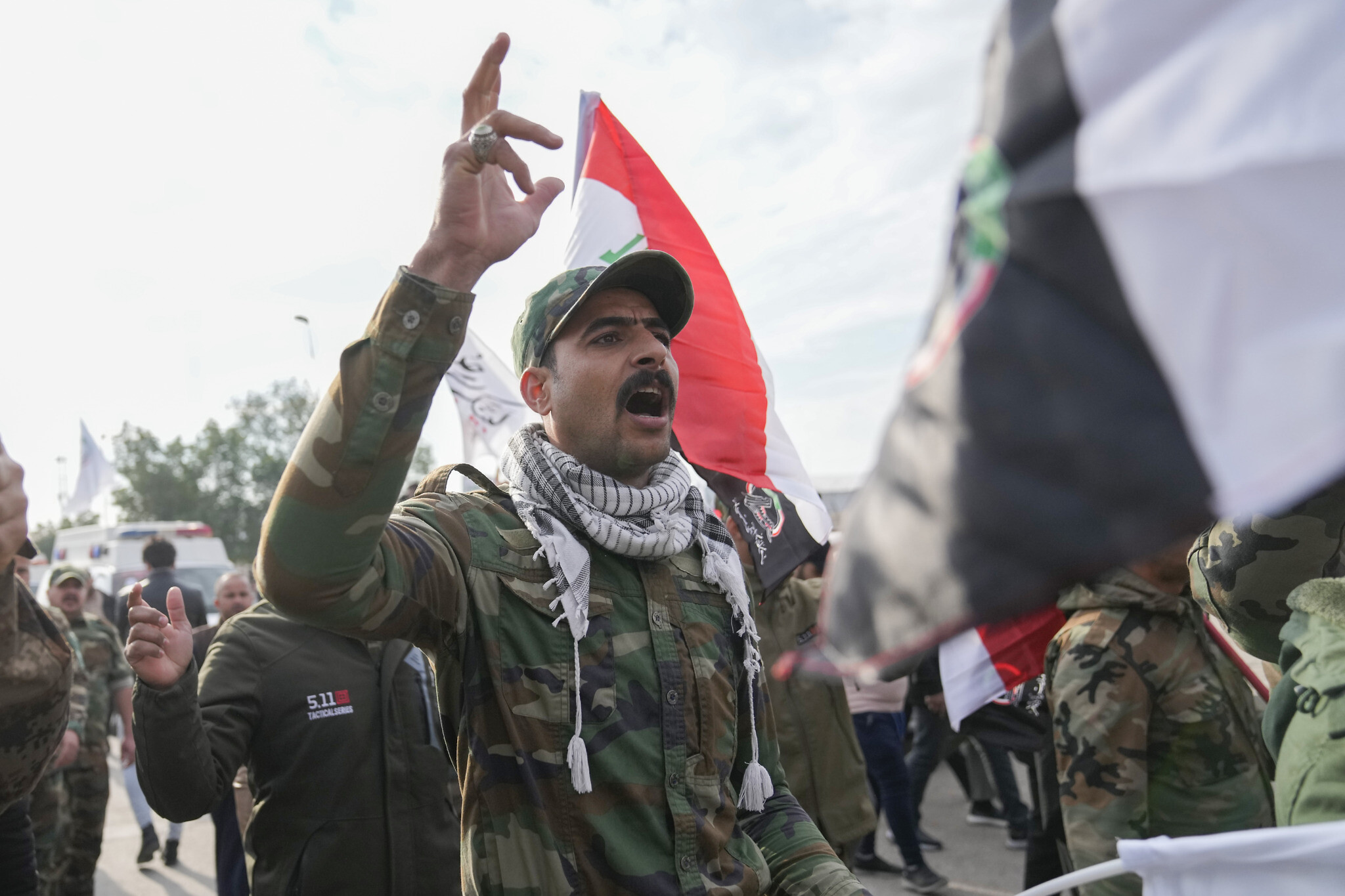
But some of the groups have increased their presence in the new parliament and are members of the Coordination Framework, a ruling alliance of Shiite parties with varying ties to Iran that holds the majority.
The blacklisted groups are part of the Hashed al-Shaabi, a former paramilitary alliance that has integrated into the armed forces. But they have also developed a reputation for sometimes acting on their own.
They are also part of the Tehran-backed so-called “axis of resistance,” and have called for the withdrawal of US troops — deployed in Iraq as part of an anti-jihadist coalition — and launched attacks against them.
These groups include the powerful Asaib Ahl al-Haq faction, which won 27 seats in the elections.
Iraq-based militias also launched dozens of attack drones at Israel since the war broke out in Gaza following Hamas’s October 7, 2023, assault, alongside other members of Iran’s so-called Axis of Resistance, including Hezbollah in Lebanon, the Houthis in Yemen, and pro-Iran groups in Syria.
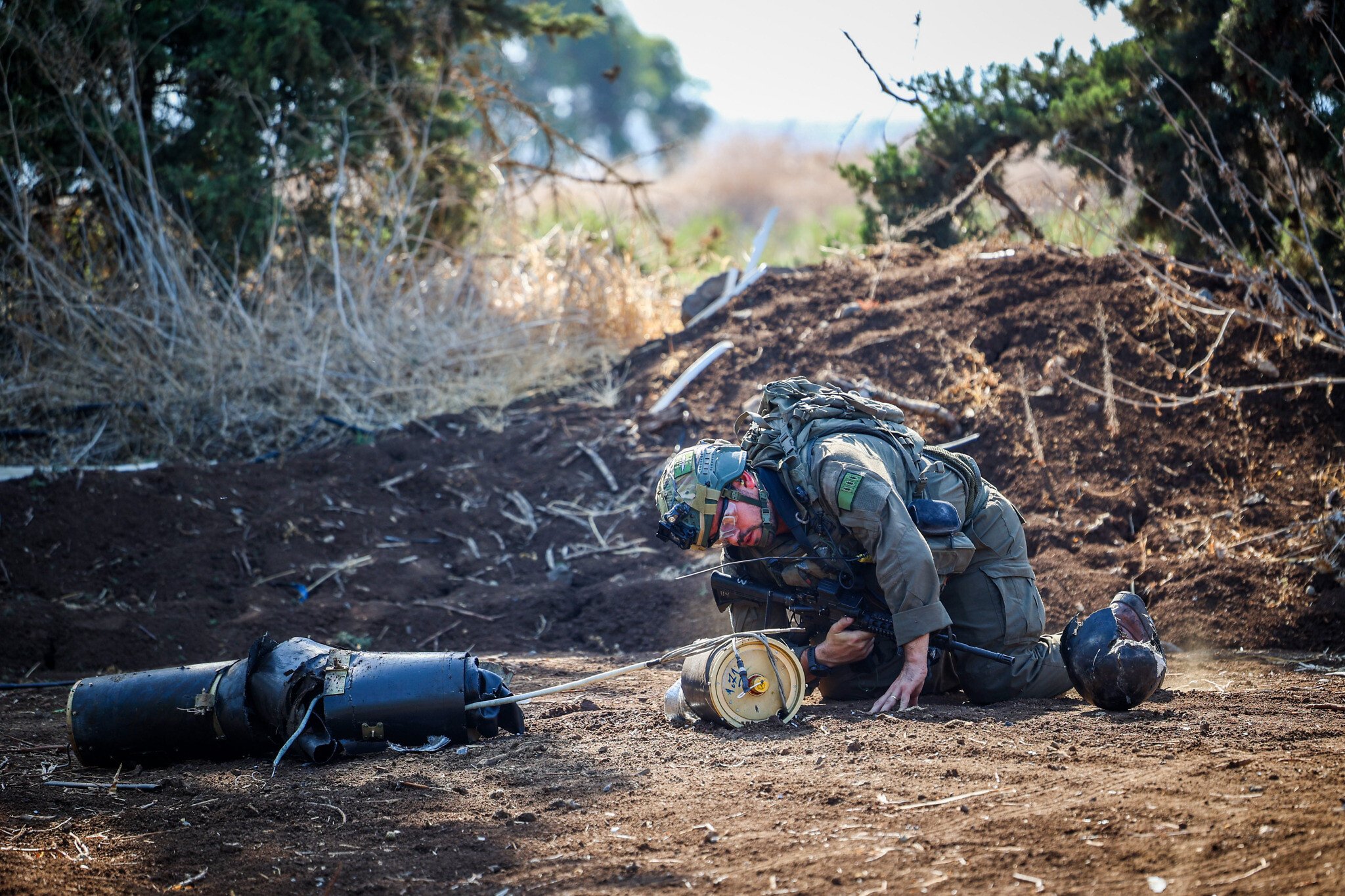
The Shiite militias agreed to cease attacks on Israel in December 2024 at the urging of Iraqi Prime Minister Mohammed Shia’ al-Sudani, a report said at the time.
Earlier this week, the group’s leader, Qais al-Khazali, a key figure in the Coordination Framework, said “we believe” in “the slogan to restrict weapons to the state,” and “we are now part of the state.”
Two other groups, Harakat Ansar Allah al-Awfiya and Kataeb Imam Ali, said on Friday that it is time to “limit weapons to the state.”
Times of Israel staff contributed to this report.







The Times of Israel Community.