

Israel said to tell skeptical US, Gulf countries that Iran may use chemical weapons
NYT reports some US officials believe intel used to push Trump into renewing war, Gulf countries view assessment as ‘unserious’; US said to have plans to strike day after midterms
 Add ToI as a Preferred Source on Google
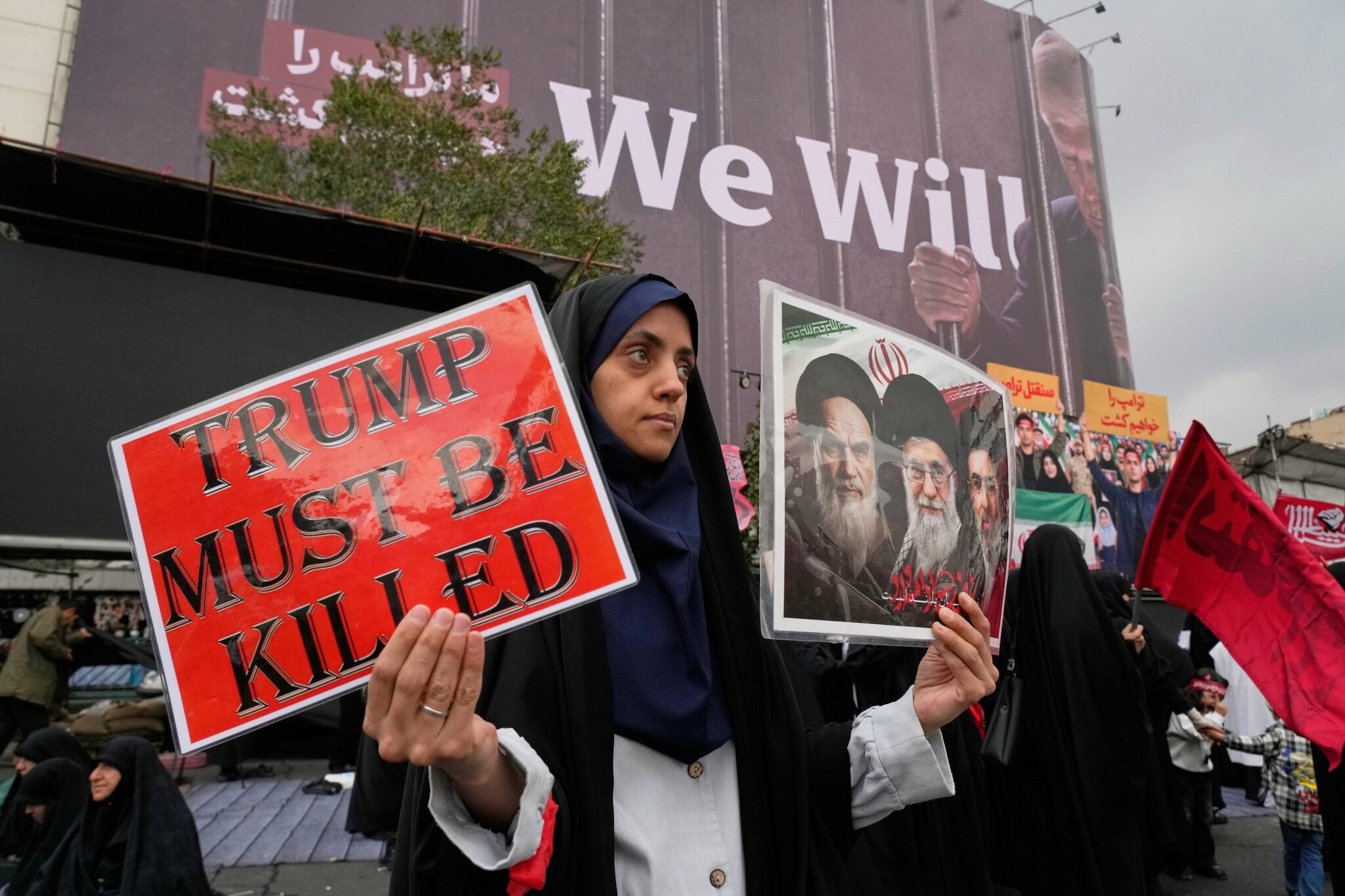
Israel has reportedly shared intelligence with the United States and Gulf countries that Iran is considering using chemical weapons against them, as Qatari mediators continue to work to avert renewed fighting in the region.
Israeli officials are arguing that the chemical weapons threat is more urgent than Iran’s nuclear threat, which was one of the original reasons given for going to war with the Islamic Republic, the New York Times reported on Tuesday, citing US and regional officials.
They told US officials that Iran is developing technology to deliver chemical weapons via missiles or to sneak them into enemy countries.
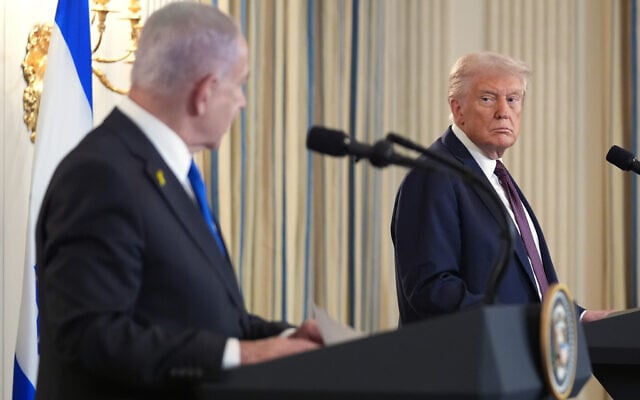
Some US officials see the intelligence as being used by Prime Minister Benjamin Netanyahu to urge US President Donald Trump to go back to active combat against the Islamic Republic, according to the report.
Gulf countries found the intelligence briefings — which involved Israeli assessments and not actual evidence — “unserious,” the report said.
Still, the NYT reported, some officials are taking the Israeli warnings seriously, in light of Iran’s threats against the US and its allies.
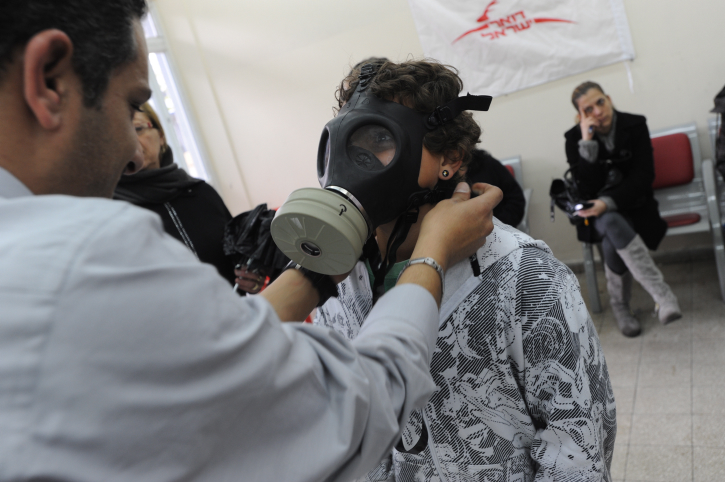
Israeli emergency response drills by the IDF Home Front Command this week have not focused on the chemical weapons threat, per the report. Israel stopped handing out gas masks to its citizens more than a decade ago and has not restarted.
The Prime Minister’s Office did not comment on the specific claims in the article, telling The Times of Israel that “Israel is following closely every threat from the Iranian terror regime, and is ready to confront them.”
Iran has publicly rejected accusations that it has developed chemical weapons.
The US Central Command has a plan ready to attack Iran as early as Wednesday, a day after the midterm elections, the NYT also reported, citing US officials.
Some top officials in US President Donald Trump’s administration are urging him to focus on the US blockade of the Strait of Hormuz, arguing economic pressure will bring down the regime, according to the report. Others argue that only military action will weaken the regime.
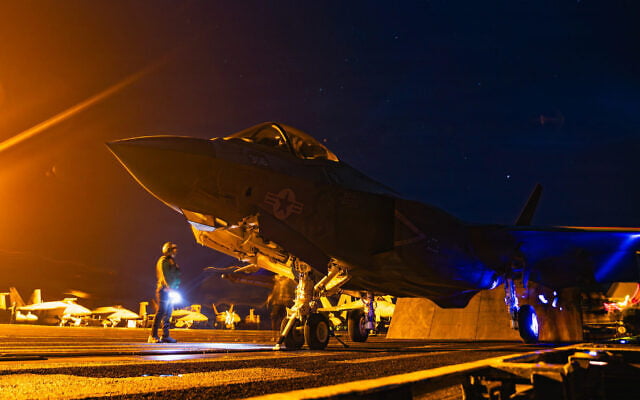
The report said ideal conditions have aligned for operations, including moonless nights, providing darkness preferred by the US military, and the presence of three aircraft carriers in the region.
The US already launched what it called defensive strikes late Monday, with Trump confirming the attack on Iran in an interview with Fox News on Tuesday.
“They built an anti-aircraft facility… As soon as it was completed, we hit it last night very nicely,” Trump said on the “Fox & Friends” show, adding that it was a “minor attack.”
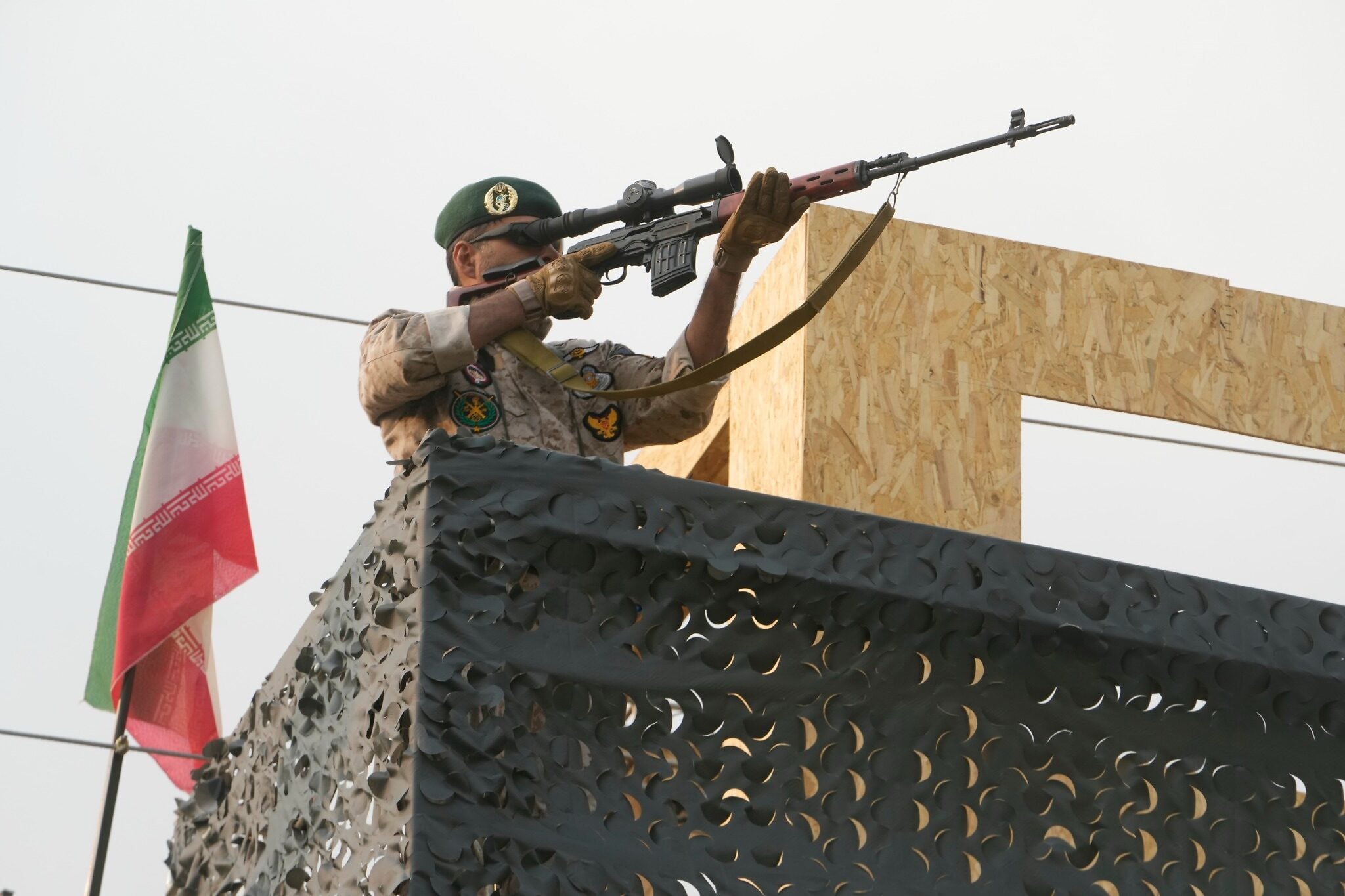
The strikes came just hours after Trump signaled a deal with Iran “could happen,” as US voters prepared to cast their ballots in midterms dominated by public dissatisfaction with the war and the inflation it has brought.
“Iran wants a settlement, as soon as possible,” Trump posted on his Truth Social platform.
“Mediators are working hard to narrow gaps between Tehran and Washington,” a senior Iranian official said, speaking to Reuters on condition of anonymity. Qatari mediators traveled to Tehran on Monday night for talks on a version of a draft US-Iran deal discussed over the past eight days.
“Tehran’s conditions must be met if the US wants Hormuz reopened,” the Iranian official cautioned.
A senior Iranian official told Reuters later on Tuesday that there is no deadline for exchanging messages with Washington through mediators or reviewing responses.
Among Iran’s demands are a permanent end to the war, including Israel’s operations against Hamas and Hezbollah; the lifting of the US blockade on Iran; the withdrawal of US forces; lifting sanctions; paying reparations for the war; and recognizing new arrangements for shipping in Hormuz that Iran will set.
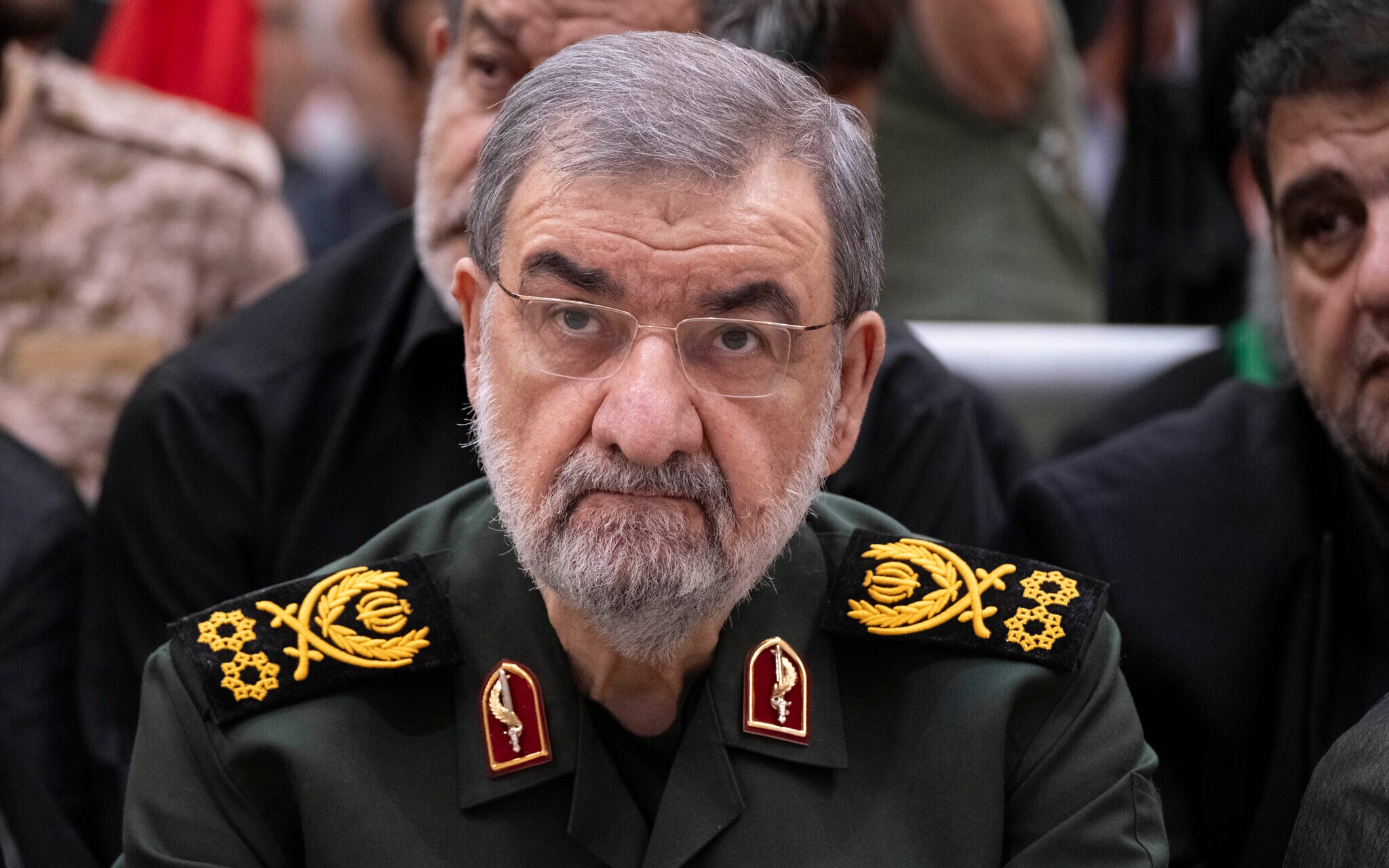
Iran’s Supreme National Security Secretary Mohsen Rezaei wrote on X on Tuesday that Washington’s latest response to its demands “was not convincing,” and said, “they must fully and explicitly address Iran’s seven conditions and act upon them; only then will the Strait of Hormuz be reopened.”
Iran’s chief negotiator in talks with the US, Mohammad Bagher Ghalibaf, said the Islamic Republic was “ready for battle with its finger on the trigger,” while Deputy Foreign Minister Kazem Gharibabadi said Iran retained the right to “legitimate self-defense” after the strikes.
But the country’s President Masoud Pezeshkian said his government was still trying to resolve the crisis “through dialogue,” adding that “no one will benefit from this war” if it reignited, and emphasising that the country’s supreme leader had recently granted the government new powers to negotiate issues that were previously “off-limits.”
Meanwhile, Egyptian Foreign Minister Badr Abdelatty said in a phone call to Iranian Foreign Minister Abbas Araghchi that all parties need to demonstrate flexibility and seek a political solution to the regional crisis, calling for continued restraint to prevent military escalation, Egypt’s Foreign Ministry said in a statement.
Iranian officials have repeatedly warned of wide-ranging retaliation if the US resumes the war.
Israel and the US jointly launched the war on Iran on February 28 in a bid to destabilize its regime and destroy its ballistic missile and nuclear programs.
In June, Iran agreed with the United States to a memorandum of understanding laying out a pathway to a permanent settlement of the conflict, only for the deal to quickly unravel as each side accused the other of violating it.



The Times of Israel Community.