

Israeli arms sales break record for 5th year in row, reaching $19.2 billion in 2025
Defense Ministry says European demand still high despite Gaza war sanctions, exports to Asia nearly double; officials concerned by competition, shekel’s appreciation
 Add ToI as a Preferred Source on Google
Emanuel (Mannie) Fabian is The Times of Israel's military correspondent
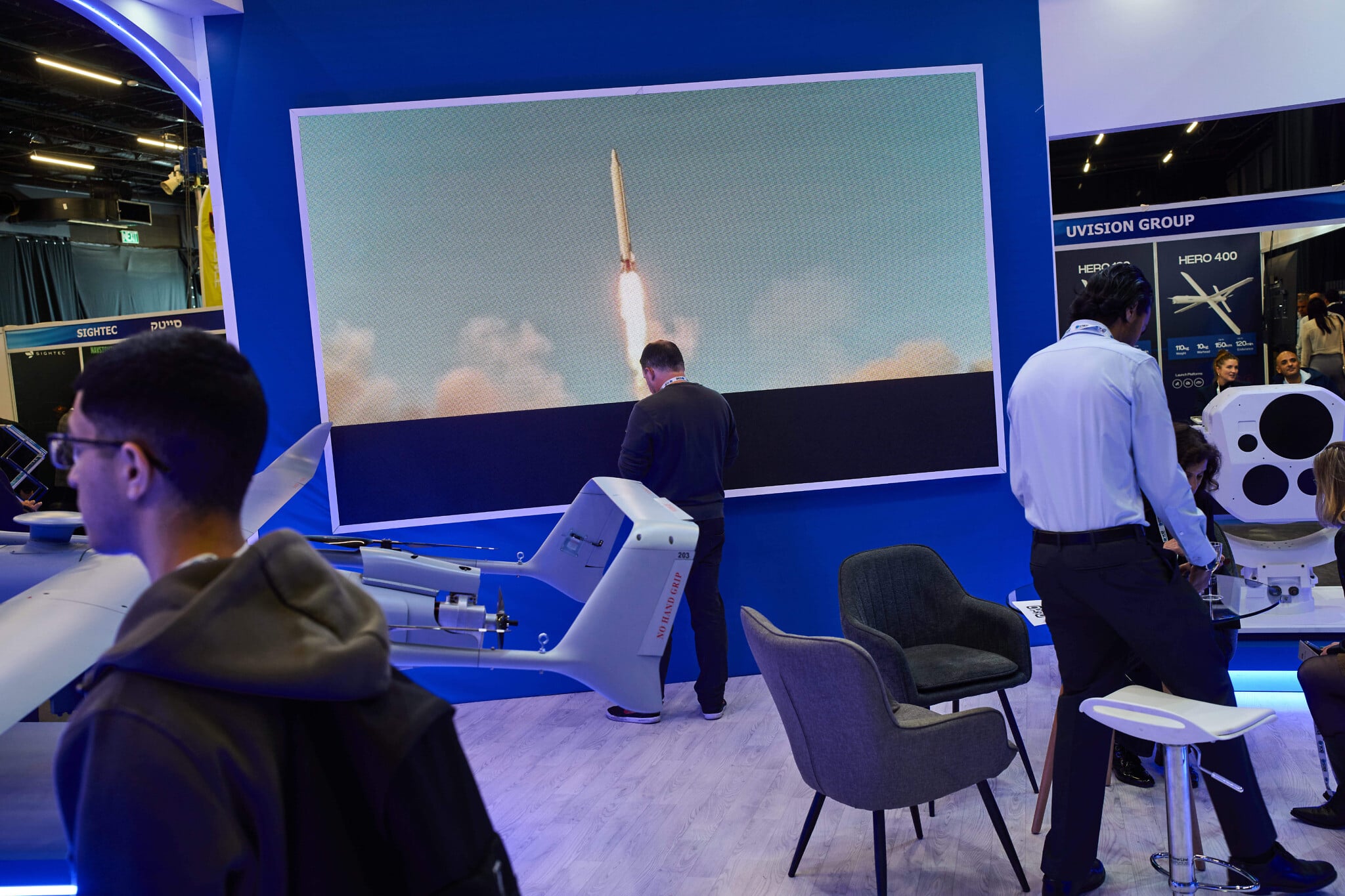
Annual Israeli arms sales reached a new record in 2025, for the fifth consecutive year, up nearly 30 percent compared to the previous year, according to Defense Ministry figures released Tuesday.
The ministry’s International Defense Cooperation Directorate, known as SIBAT, said defense exports totaled nearly $19.2 billion last year, up from $14.8 billion in 2024 — the previous record high.
Sales to the Asia-Pacific region alone nearly doubled, from around $3.4 billion in 2024 to $6.1 billion last year.
The rise in arms deals comes after Defense Ministry Director-General Amir Baram last year approved a series of reforms to boost Israel’s defense exports, including a “significant easing” in the licensing process and a “substantial expansion” of the list of permitted countries for export.
Government-to-government (G2G) sales made up more than half of exports in 2025, amounting to around $10 billion. Over half of the total exports, 53%, were in deals worth over $100 million, the ministry said.
Despite some governments, especially in Western Europe, canceling weapon deals with Israel or sanctioning Israeli defense firms — including barring them from defense expos — over the war in the Gaza Strip, ministry officials said they were still seeing a high demand for Israeli weapons from Europe.
On Monday, the Defense Ministry said France had barred Israel from participating in the Eurosatory defense exhibition in Paris, preventing the ministry from establishing a national pavilion or sending government representatives to one of the world’s leading forums for arms sales.
The move followed similar bans on Israeli companies displaying offensive arms at French defense shows in recent years.
Officials also expressed concerns that Russia’s invasion of Ukraine had boosted competition for Israel’s arms industry, providing another real-life proving ground for weapons systems, and said the strength of the shekel had also hampered exports.
Nonetheless, the ministry said that the “unprecedented operational achievements” during the multi-front war of recent years, including during the two major rounds of conflict with Iran, “created strong demand for Israeli technology, and indeed 2025 continued the upward trend in defense exports and crossed the $19 billion threshold for the first time.”
It touted the sales as a key contributor to Israel’s defense budget and international leverage.
“The sharp increase in Israeli defense exports, particularly the record figure in G2G deals, reflects in practice the implementation of the Defense Ministry’s strategy to expand Israeli defense exports as a tool to ensure the IDF’s force buildup in an era of challenging budgets, to influence foreign policy, strengthen the defense industry and create additional budgetary sources for the defense budget,” it said.
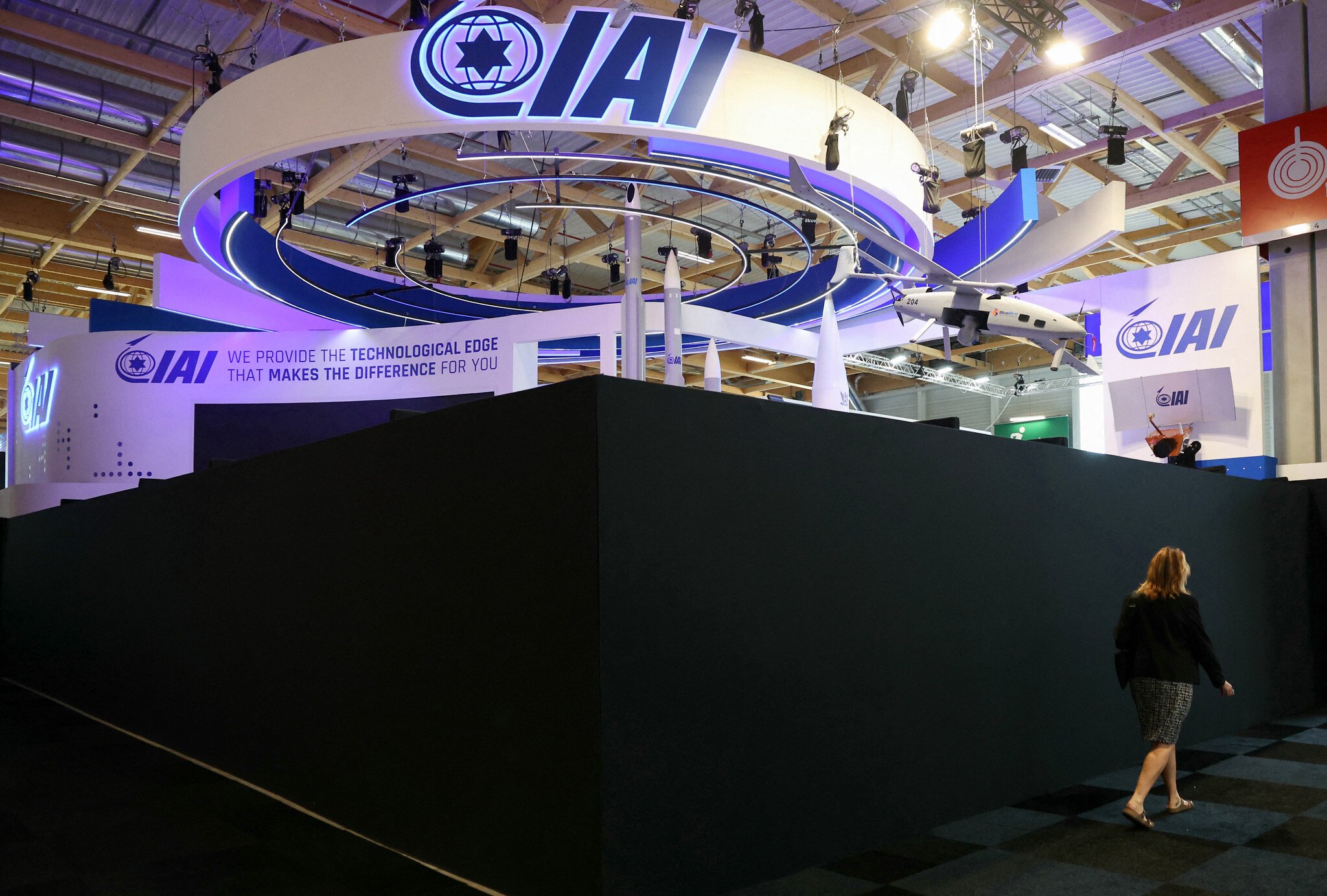
Europe was the largest purchaser of Israeli defense goods, buying 36% of the total exports in 2025, or $6.9 billion. This is down from around $7.9 billion worth of exports to Europe in 2024, which made up 54% of exports that year, a spike attributed to the $4.6 billion sale of the Arrow 3 long-range missile defense system to Germany. In 2023, Europe made up 35% of sales.
The Asia-Pacific region followed with 32% of the exports, up from 23% in 2024.
Middle Eastern and North African nations — including the United Arab Emirates, Bahrain and Morocco, which normalized relations with Israel in 2020 agreements known as the Abraham Accords — accounted for 15% of the arms purchases, up from 12% in 2024.
Ministry officials said they estimated that after the war with Iran ends, Israeli arms exports to Gulf nations would increase further. During the recent conflict, Israel sent an Iron Dome air defense system and personnel to the UAE, which shot down Iranian missiles targeting the country.
North America accounted for 13%, Latin America for 2%, and sub-Saharan Africa for 2%. These figures have stayed relatively stable in recent years.
Ministry officials said they were concerned that Israel was no longer one of the only suppliers of “combat-proven” weapons, as many foreign systems have undergone significant use during the fighting in Ukraine. Many European nations have also ramped up production of weapons for export, making competition more difficult for Israel, the officials said.
Additionally, the officials noted that the shekel’s appreciation versus the dollar over the past year has significantly hurt exporters’ profitability.
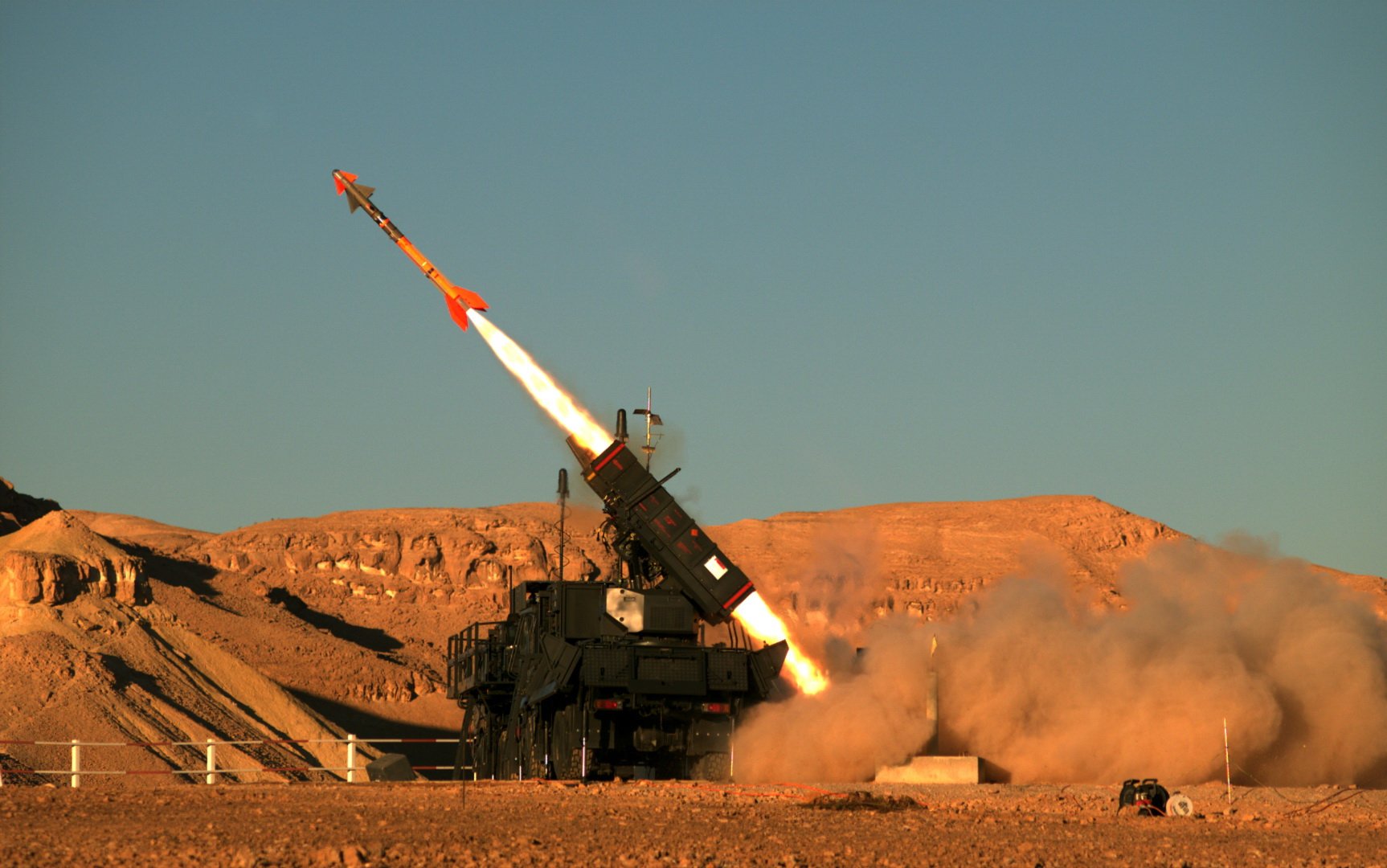
Like previous years, air defense systems, missiles and rockets made up the largest chunk of exports, at 29%, according to the ministry’s figures.
Surveillance systems and optoelectronics saw a significant jump, making up 22% of the exports, up from 6% in the previous year.
Manned aircraft and avionics amounted to 11% of arms sales; radar and electronic warfare systems were 11%; and command, control, communications and computing systems made up 7%.
While Israel is known for cyber-intelligence systems, these only amounted to 2% of all sales in 2025. Officials did not specify which countries they were sold to. Israeli sales of such technologies have come under increasing scrutiny in recent years due to allegations that they were used by some countries to spy on political dissidents and journalists.
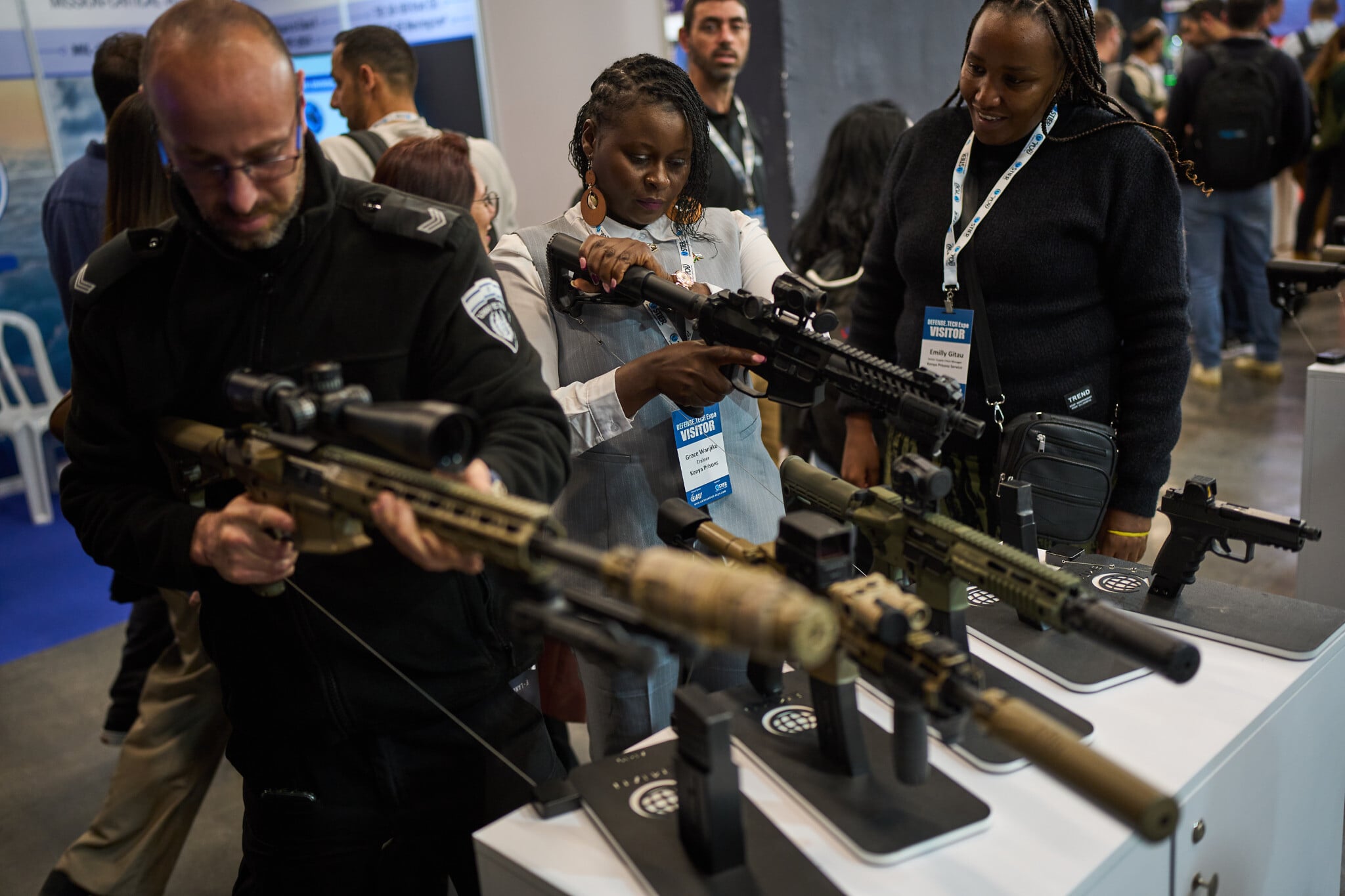
Unmanned aerial vehicles, weapons launchers and firearms, satellites and related space equipment, maritime systems, ammunition, and services accounted for much of the rest.
“The very fact that even during a third year of fighting, Israel continues to break records in defense exports is proof of the high regard in which the defense establishment is held around the world,” said Defense Minister Israel Katz in remarks provided by the ministry.
Baram, the ministry’s director-general, said that Israel’s budget for force buildup “relies heavily” on exports, “but we must not be satisfied with that.”
“As part of a defense-industrial policy, we must advance complementary measures of investment in research and development and the expansion of industry production lines. This is the necessary step to ensure independence in critical munitions and interceptors, maintain technological superiority, and create the next ‘surprises’ of the State of Israel,” he said.




The Times of Israel Community.