

Israeli study shows vaccinating pregnant women with Pfizer shot is safe for fetus
Examining thousands of women for incidence of preterm births, hospitalizations, birth defects and mortality, research says no difference between vaccinated and unvaccinated
 Add ToI as a Preferred Source on Google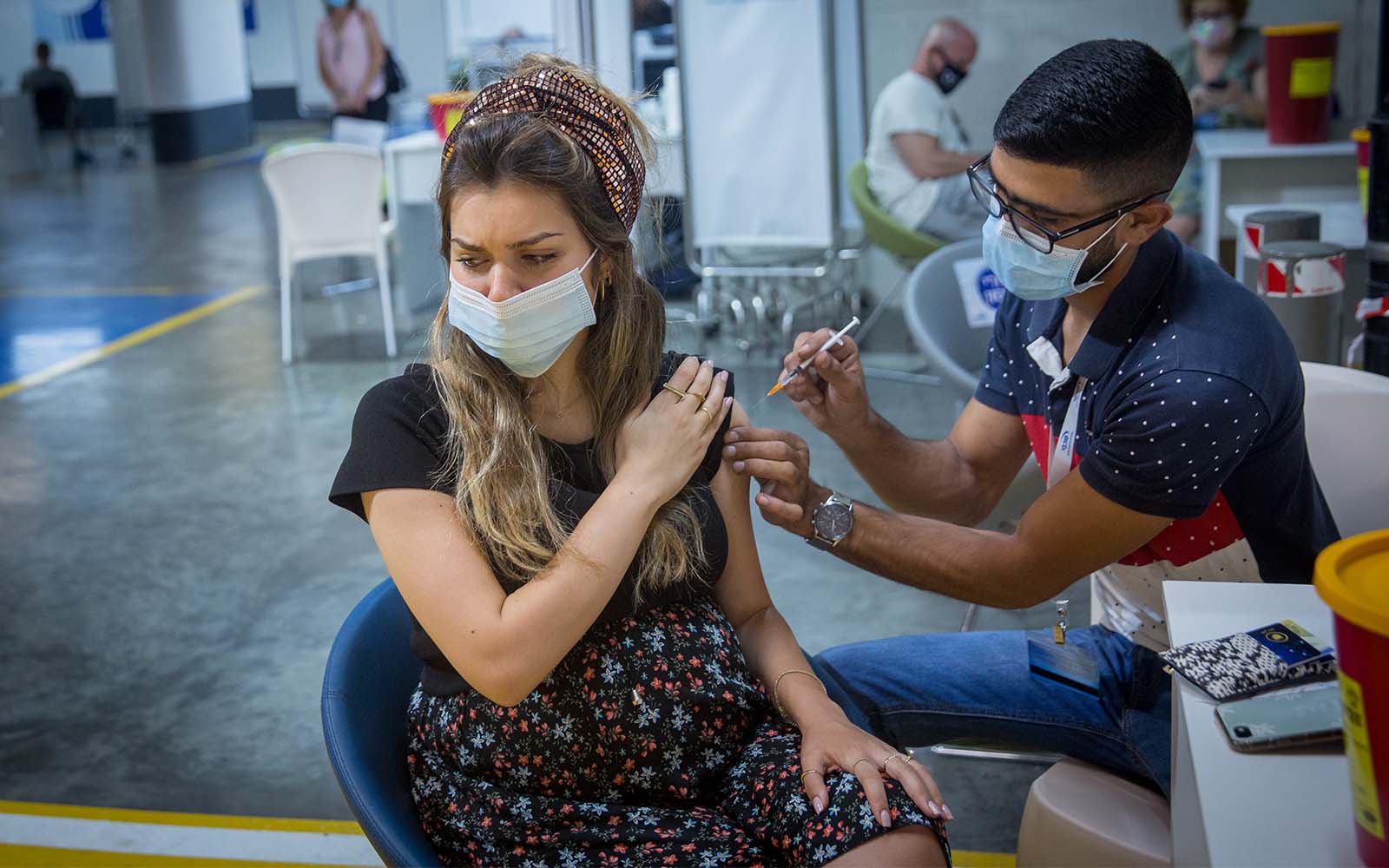
Pfizer’s coronavirus vaccines are completely safe for pregnant women’s fetuses, and were not associated with any harmful outcome to newborns, according to an Israeli study published Thursday.
The study examined 17,000 pregnant women who were vaccinated, as well as 7,000 who were not, between March and October of 2021, using data provided by Maccabi Healthcare Services, Israel’s largest HMO.
The researchers looked at preterm births, hospitalizations, birth defects, and infant mortality, and found no significant difference between the two groups in any area.
Infant mortality stood at 0.1% in both groups; preterm births were at 4.2% for babies whose mothers were vaccinated and 4.8% for those whose mothers were not; defects were 1.5% for those exposed to the vaccine and 2.1% for those not; and hospitalizations in newborns were at 5.1% for vaccinated mothers and 5.3% for unvaccinated.
The study showed the findings were also true in 2,000 newborns whose mothers were vaccinated in the first trimester — seen as the most sensitive period for fetuses.
The study was published in the peer-reviewed medical journal JAMA Pediatrics.
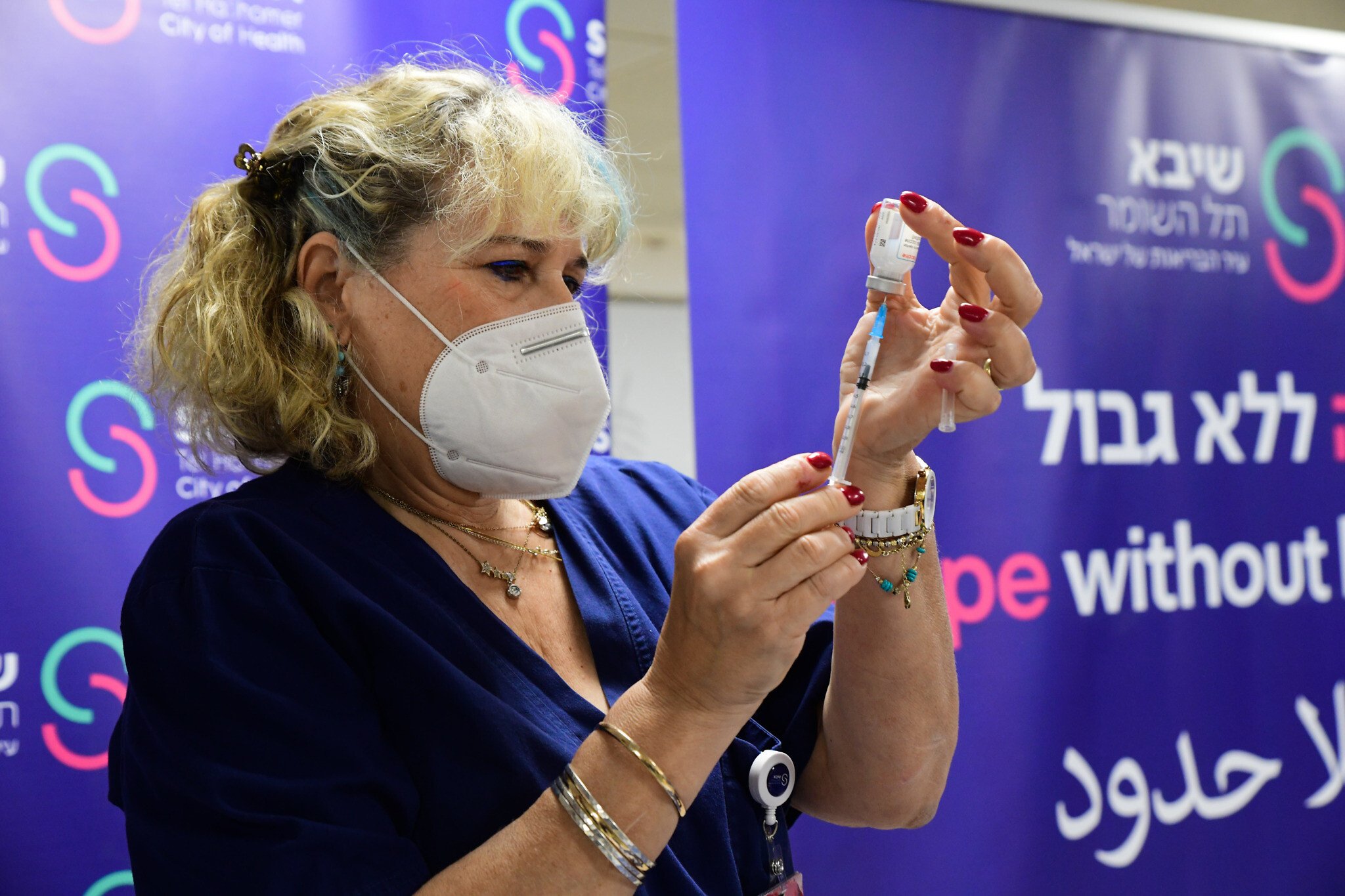
Initial clinical trials for the Pfizer-BioNTech vaccine did not include pregnant or lactating women. Despite the lack of data, Israel’s Health Ministry advised last year that pregnant women get the coronavirus vaccine after a number of women expecting a baby fell seriously ill. Many nations’ health authorities also followed suit.
Health Ministry numbers showed that of Israel’s population of 9.5 million, 6,694,595 have had at least one dose of the vaccine, of whom 6,110,026 have had two and 4,452,732 a third, booster dose. There are also 684,848 who have had a fourth dose, made available to the elderly, medical workers, military personnel and at-risk groups.
According to ministry data published Thursday evening, the number of serious patients has persisted during the gradual decline in morbidity over the past few days, standing at 1,111. Sunday saw the highest number of serious cases since the onset of the pandemic, 1,263. Of those in serious condition, 264 were on ventilators.
In total, 2,479 people were hospitalized with COVID-19, of whom 346 were in critical condition, according to ministry data.
The ministry said serious cases were much more common for the unvaccinated. Among patients 60 and up who were unvaccinated, there were 387.5 serious cases per 100,000 people, compared with only 31.3 for their vaccinated peers.
There were 36,858 new coronavirus cases diagnosed on Wednesday, bringing the total number of active cases to 326,756.
With some 155,000 tests conducted on Wednesday, the test positivity rate stood at 25.13%, a slight increase on a day earlier but still lower than Saturday, when the country saw its highest positivity rate since the beginning of the pandemic, 28.88%.
The transmission rate (measuring the average number of people each infected person spreads the virus to) continued to fall, reaching a value of 0.77 — its lowest figure since October.
The transmission rate is based on data from 10 days earlier and any value below 1 shows that the pandemic is shrinking. In December, the value shot up to 2.12, but has since been on the decline.
The death toll since the start of the pandemic stood at 9,399, with at least 312 fatalities from COVID-19 complications in the past week, the Health Ministry said.










The Times of Israel Community.