

Live Now
 Add ToI as a Preferred Source on Google


Key updates
Balad chief, barred from running, blames Israeli ‘racism’ for political deadlock
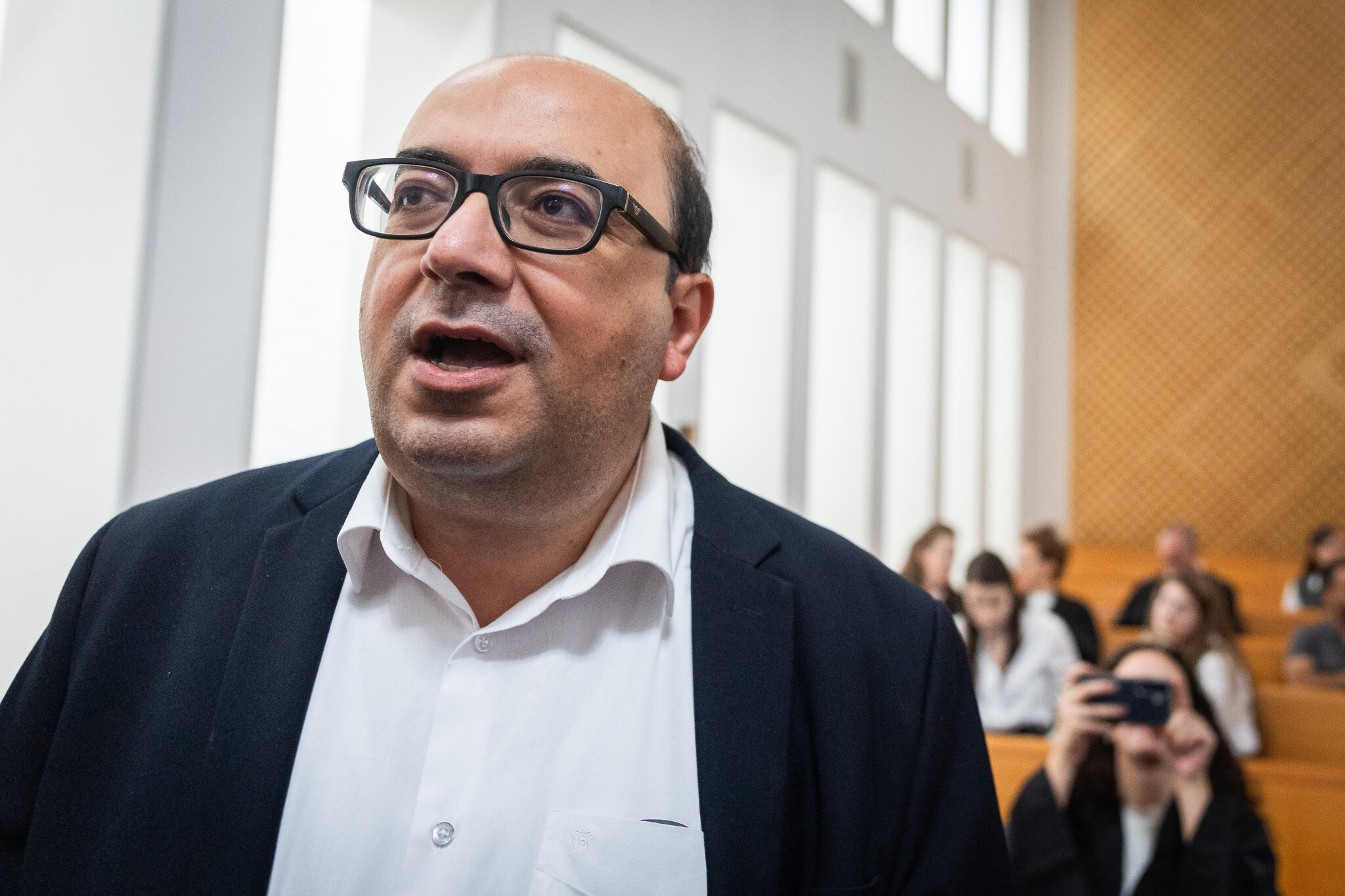
Sami Abou Shehadeh attends a hearing at the Supreme Court in Jerusalem on the Central Elections Committee’s decision to disqualify him from running in the upcoming Knesset elections, October 1, 2026. (Yonatan Sindel/Flash90)
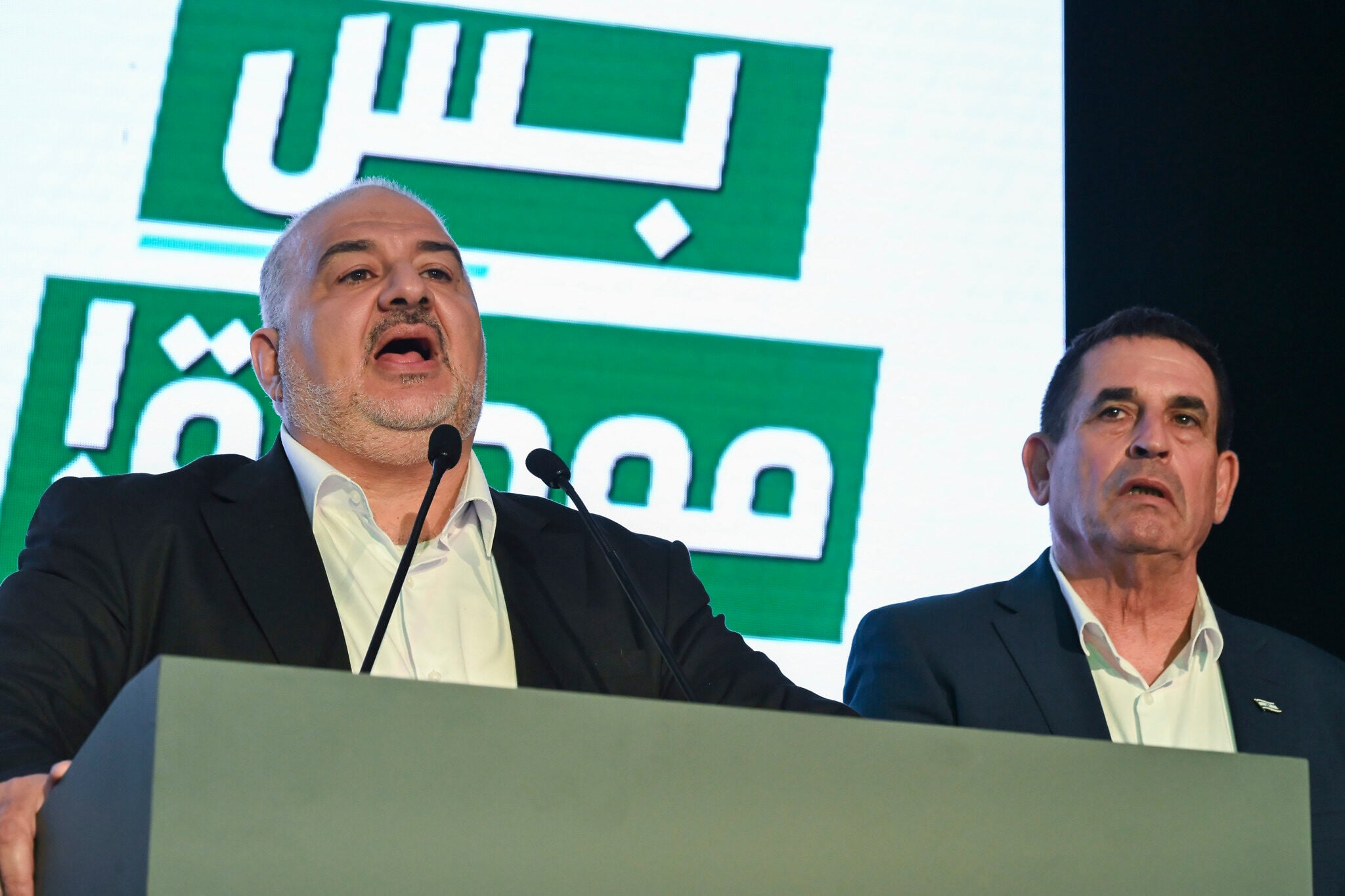
Balad faction chief Sami Abou Shahadeh says the only reason yesterday’s election isn’t seen as a loss for Prime Minister Benjamin Netanyahu is that Israeli society is too racist to view Arab-led parties as part of the opposition.
The bloc of Netanyahu’s supporters is projected to have won 53 seats in the Knesset, while his opponents are projected to have won 67. But that opposition number is split between Jewish-led parties, which won 48 seats, and Arab-led parties that won a historic high of 19 seats, up from 10 in the outgoing Knesset. Most of the Jewish-led parties have ruled out a coalition with the Arab parties, presaging political deadlock.
“If we lived in a normal, democratic, non-racist country, Netanyahu would have lost the election,” Abou Shahadeh says in an interview with the Qatari channel Al-Araby Al-Jadeed.
Abou Shahadeh’s Balad faction is part of the Joint List, which is projected to have won around 12 seats, in addition to seven seats going to the Arab-led Ra’am party. Abou Shahadeh himself left the Joint List slate after the High Court was poised to disqualify him over an article he wrote indicating support for the Hamas-led October 7 attack. He later walked the article back.
“In reality, Netanyahu’s camp did lose the election — dropping from 68 seats to 54 — and the contest should have ended there,” Abou Shahadeh tells Al-Araby, using an earlier projected tally.
“But because of the racism within Israeli society, we are still debating whether or not this was a decisive outcome,” he continues. “The fundamental issue in Israeli society has always been, and remains, its racism directed against anything Arab or Palestinian.”
Abou Shahadeh specifically criticized the leading opposition candidate, Gadi Eisenkot, who has said that neither of the Arab-led parties meets the conditions he has set for joining a coalition.
“Eisenkot has a majority to form a government, yet what prevents him from doing so is his own racism,” Abou Shahadeh charges. Referencing Eisenkot’s background, he adds, “Eisenkot, a leader of Arab — specifically Moroccan — descent, says he refuses to sit with Arabs. This is a racist society.”
Two of Eisenkot’s other coalition partners — B’Yachad chief Naftali Bennett and Yisrael Beytenu chief Avigdor Liberman — have more explicitly ruled out partnership with Arab-led parties, claiming that such a move would be illegitimate after Hamas’s October 7 attack, in which Arab Israelis were killed and taken captive along with Jewish Israelis.
Yair Golan, chair of the left-wing Democrats, is the lone opposition party chief calling for political partnership with the two Arab-majority parties.
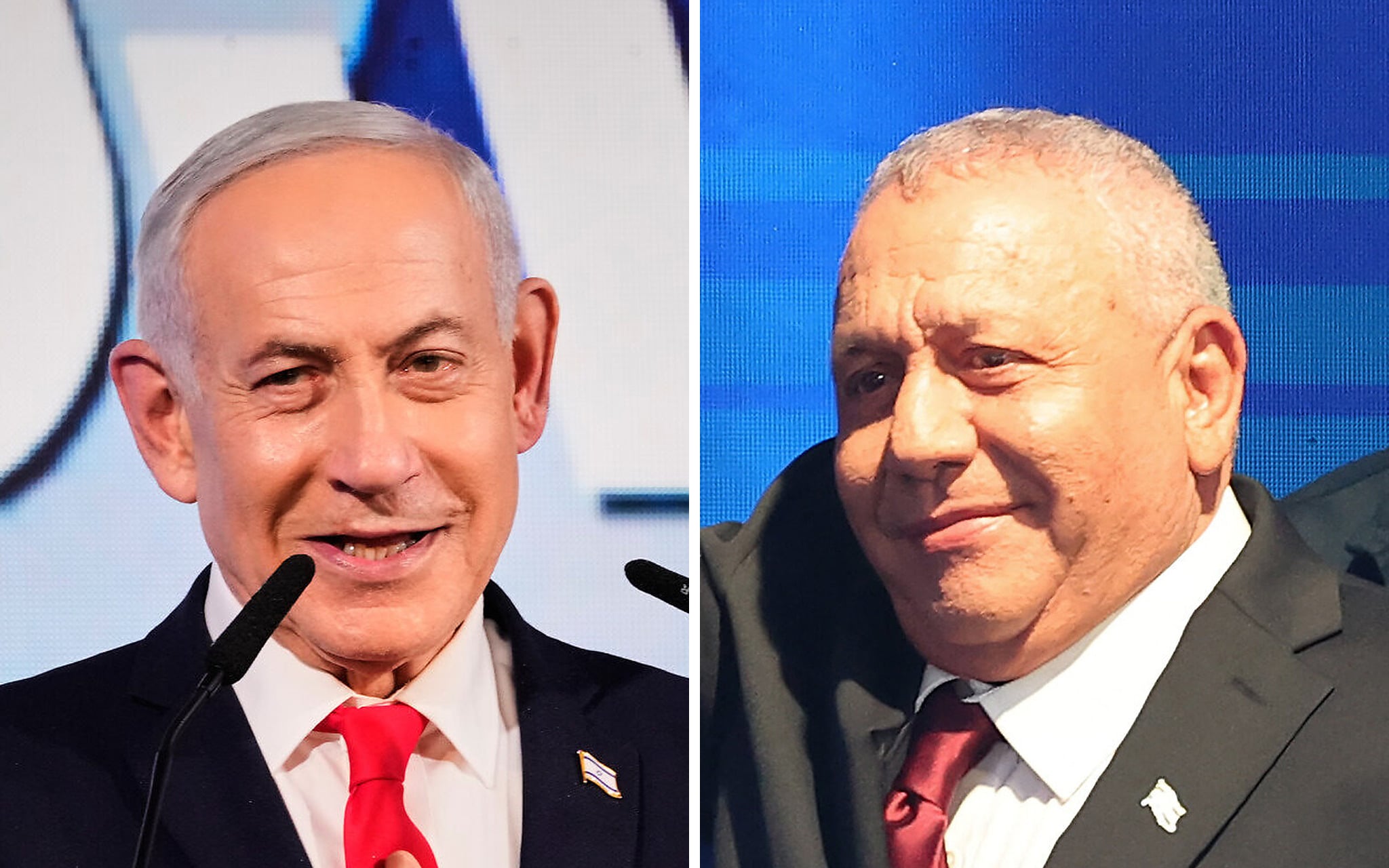
Katz calls Eisenkot’s warning to security chiefs to resist pressure ‘undemocratic’
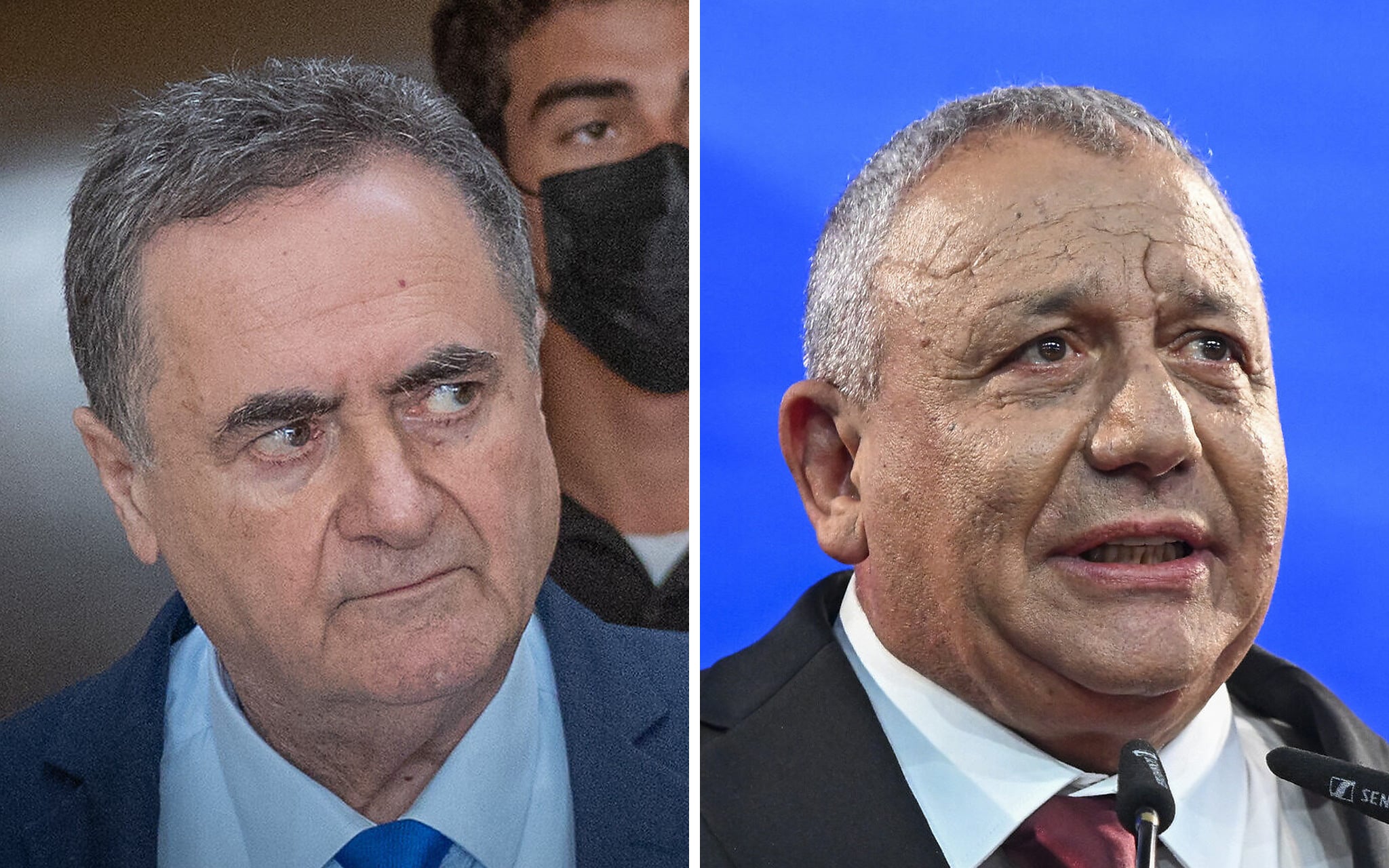
Defense Minister Israel Katz (left) and opposition politician Gadi Eisenkot. (Chaim Goldberg/ Flash90, Avshalom Sassoni/Flash90)
Defense Minister Israel Katz slams Gadi Eisenkot’s warning to security chiefs to “stand firm against any attempt to pressure you,” calling it “an undemocratic and detached statement.”
In his election night speech, Eisenkot, a former IDF chief and the leading opposition candidate, addressed the heads of the security forces and urged them to resist attempts by Prime Minister Benjamin Netanyahu to “use Israel’s security for [his] own political ends.”
“Netanyahu is a caretaker prime minister, without a mandate and without the public’s confidence,” he said in the speech, addressing the security brass. “Remember that you serve the state and the interests of Israel’s citizens alone. Stand firm against any attempt to pressure you. You have my full backing.”
The statement came against the backdrop of reports that IDF chief Eyal Zamir had resisted a push by Netanyahu to strike Iran before yesterday’s election. Speculation has continued that Netanyahu may order an attack on Iran during the period following the vote.
In a post on X, Katz, a close Netanyahu ally, slams Eisenkot’s statement.
“His appeal to senior IDF officials not to obey directives from the prime minister, me, and the established security forums ‘because they have backing from him’ is an undemocratic and detached statement,” Katz writes.
He calls the remark “a continuation of the campaign of lies that [Eisenkot] and his friends have run in the election on the topic of purported clashes between the political and military leadership regarding Iran.”
He adds, “The IDF is a full partner in the significant achievements versus Iran, and is a partner currently in all of the discussions — and will carry out any decision that is necessary.”
CEC estimates up to 480,000 ballots from troops, police, diplomats yet to be counted, worth some 12 Knesset seats

IDF troops vote in Israel's national elections at a military base in the Gaza Strip, in a handout photo published on October 26, 2026. (Israel Defense Forces)
The Central Elections Committee says between 430,000 and 480,000 “double-envelope” ballots have been cast in this year’s election, significantly fewer than the roughly 600,000 previously reported.
The ballots, cast primarily by soldiers, prisoners, diplomats stationed abroad and others unable to vote at their designated polling stations, are counted separately and have yet to be tallied, after officials verify that each voter has not already voted elsewhere.
The full vote count is due to be released tomorrow afternoon. The final, official election results are expected to be published on November 4.
The CEC stresses that the estimated number of double envelopes remains preliminary, as officials are still receiving and processing the ballots, and say it could change as the process continues.
With each Knesset seat thought to be worth around 40,000 votes, these votes would be worth some 12 seats in total, and could theoretically have a significant impact on the final political landscape.
Currently neither Prime Minister Benjamin Netanyahu’s right-wing bloc, with 53 seats, nor the Jewish-led opposition parties, with 48, is able to secure the 61-seat majority in the Knesset needed to form a government.
Key Update
Spanish train collision kills at least 64; Sa’ar offers condolences to victims

Emergency services work at the scene of a collision between two trains in Urda, Spain, on October 28, 2026. (AP Photo/Manu Fernandez)
At least 64 people have died after two high-speed trains collided in Spain today, with rescue workers scouring the wreckage for more bodies in the country’s second deadly rail accident this year.
Commenting on the incident in a Spanish-language post on X, Foreign Minister Gideon Sa’ar says Israel continues to “follow with deep concern the news about the tragic railway accident,” and that Israel offers its “most sincere condolences to the victims and their families in such difficult moments” and “join[s] the pain of the Spanish people.”
The collision in the Toledo municipality comes nine months after an accident between high-speed trains, belonging to the same operators and on the same line, killed 46 people.
Iran’s Revolutionary Court sentences acclaimed director Panahi to 5 years

Iranian director Jafar Panahi poses with the trophy during a photocall after winning the Palme d'Or for the film, 'Un simple accident' (A Simple Accident) during the closing ceremony at the 78th edition of the Cannes Film Festival in Cannes, southern France, on May 24, 2025. (Miguel Medina/AFP)
Iran’s Revolutionary Court sentenced award-winning film director Jafar Panahi to five years in prison and the seizure of all his assets, Iran’s semi-official Nournews reports, citing his lawyer but without mentioning the charges he faced.
The court also banned Panahi from leaving the country for two years and from any social media activity, the report says.
Panahi’s lawyer, Mostafa Nili, could not be immediately reached for comment.
Panahi, whose film “It Was Just an Accident” won the Palme d’Or at the 2025 Cannes film festival, has been arrested several times in the past for his filmmaking.
Despite having been sentenced to a one-year prison sentence in absentia in 2025 for propaganda activities against the system, Panahi returned to the country in March.
Houthi media says Saudi strike on petrol station in Yemen killed 12
Iran-backed Houthi media say a Saudi strike on a petrol station today killed at least 12 people, the latest casualties since Yemen’s conflict reignited this summer.
Broadcaster Al-Masirah TV reports 12 dead and 10 wounded, “including women and children,” in a strike blamed on Saudi Arabia that was said to hit a petrol station in the city of Hazm, in the northwestern Jawf province.
Times of Israel staff contributed to this report.
EU hails Israel’s ‘vibrant democracy’ after vote, hopes for ‘frank and open’ ties with next government
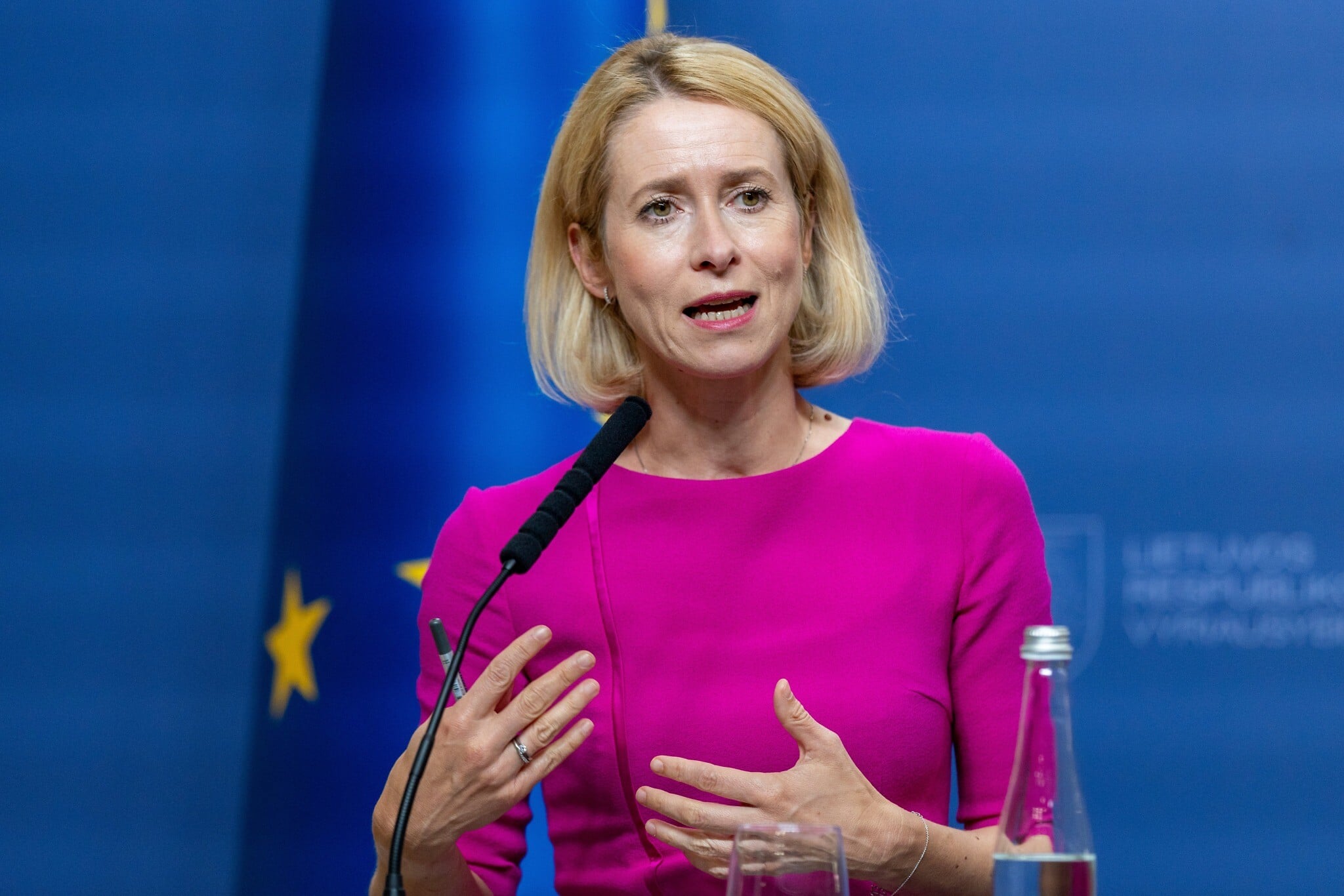
File: European Union foreign policy chief Kaja Kallas in Vilnius, Lithuania, September 7, 2026. (AP Photo/Mindaugas Kulbis)
The European Union congratulates Israelis on yesterday’s election, praising the high voter turnout of nearly 78% as a reflection of the country’s “vibrant democracy” in rare positive remarks from the bloc.
In a statement, an EU spokesperson says Brussels looks forward to engaging with Israel’s next government following coalition negotiations, based on the sides’ “longstanding relationship and commitment to democratic principles and common values.”
The EU says it will continue to pursue “frank and open dialogue” with Israel, seeking to strengthen bilateral cooperation, address disagreements and advance regional stability, security and a “just and lasting peace.”
EU-Israel relations reached a historic low following the October 7, 2023, Hamas-led attacks and the subsequent war in Gaza, with Brussels frequently condemning the government’s wartime conduct and West Bank policies.
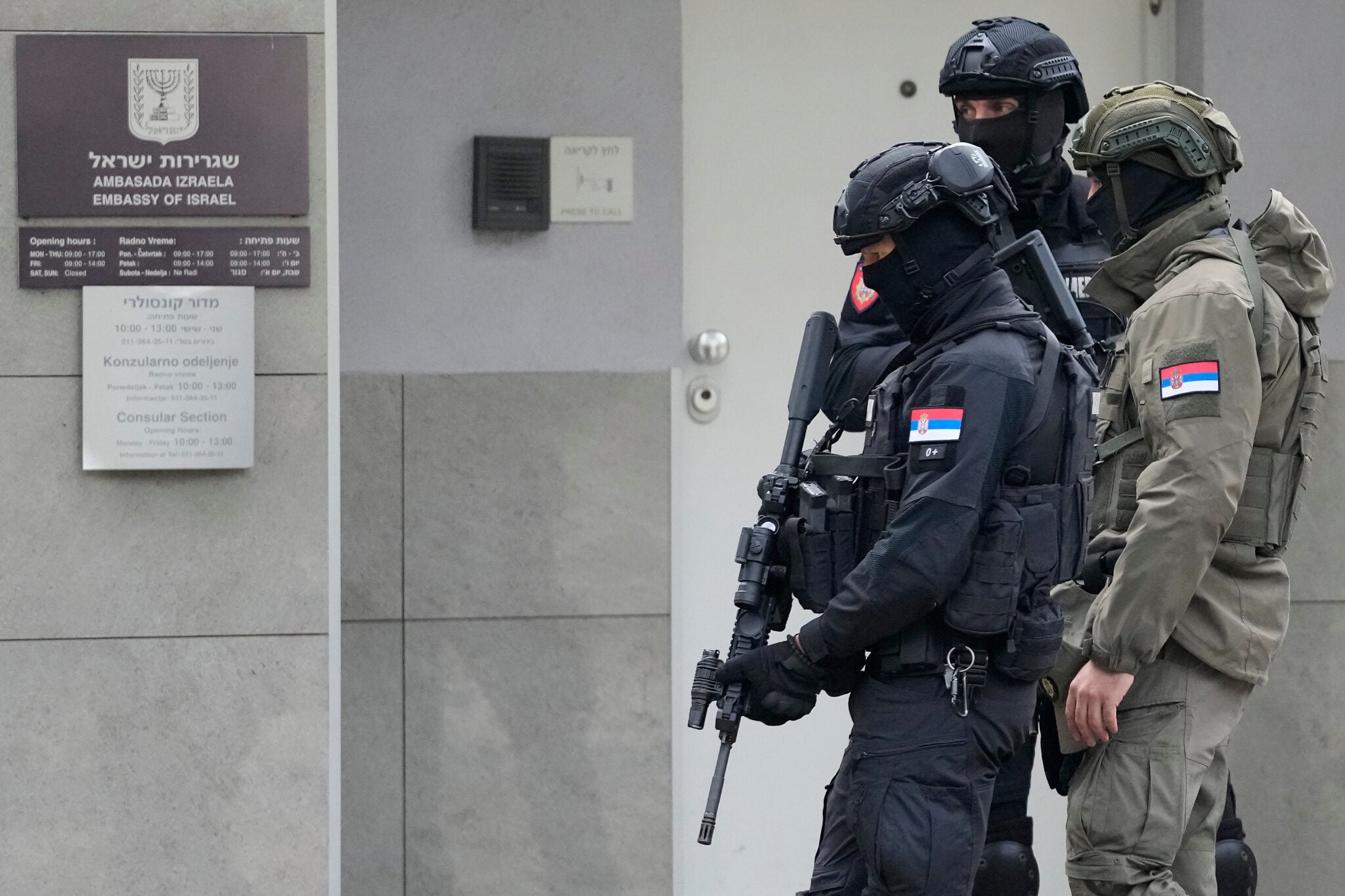
Israel’s Serbia envoy condemns attempted terror attack on Belgrade embassy, thanks wounded guard
Israel’s ambassador to Serbia, Avivit Bar-Ilan, condemns the overnight attempted terror attack on the Israeli embassy in Belgrade, calling for a swift investigation and thanking the Serbian security guard who was wounded by the attacker.
“We are deeply disturbed and shocked by the terrorist attack on the Embassy of Israel that took place overnight,” the ambassador says on X, adding, “Terrorism knows no borders.”
All embassy staff are safe, the ambassador reiterates.
We are deeply disturbed and shocked by the terrorist attack on the Embassy of Israel that took place overnight. We strongly condemn it. Terrorism knows no borders. It poses a direct threat to security and peace around the world.
Following the incident, I spoke with the Minister… pic.twitter.com/e4Ji7AJPXX
— Avivit Bar-Ilan ???????? (@AvivitBarIlan) October 28, 2026
The ambassador says Serbia’s acting interior minister has pledged a thorough investigation, noting that this is the second attack on the embassy in recent years. In June 2024, an assailant with a crossbow wounded a Serbian police officer guarding the Belgrade embassy.
The ambassador also expresses “profound respect and deepest gratitude” to the Serbian Gendarmerie officer who was attacked with a knife by the assailant, saying his “courage and decisive response prevented even more serious consequences and potentially greater bloodshed.”
Eurovision gives Spain, Slovenia more time to decide on 2027 contest; Iceland seemingly out

Miki of Spain performs the song "La Venda" during the 2019 Eurovision Song Contest grand final in Tel Aviv, Israel, May 18, 2019. (AP Photo/Sebastian Scheiner)
The European Broadcasting Union says it is giving Spain and Slovenia an extension on deciding whether to participate in next year’s Eurovision, as it announces the 36 countries that have confirmed taking part in the 2027 song contest.
In a statement, the EBU says it has “confirmed the list of public service broadcasters” that will compete in the 2027 Eurovision in Burgas, Bulgaria. It adds, however, that RTVE (Spain) and RTVSLO (Slovenia) “have not yet decided whether they will take part in the Eurovision Song Contest 2027. In recognition of the complexity of the matter, the EBU has agreed to give both broadcasters until December to confirm.”
Both Spain and Slovenia were among five countries that boycotted this year’s competition over Israel’s inclusion. Ireland announced last month that it would continue its boycott, while the Netherlands initially said it would return to the contest before reversing that decision yesterday and pulling out again.
The EBU statement did not mention Iceland, the fifth country to boycott the 2026 competition, which had indicated it would likely not return, but has not made an official announcement. Iceland’s RUV broadcaster did not immediately respond to a request for comment.
At next year’s competition, which will be held May 11-15, Canada will make its debut after becoming an EBU member, and North Macedonia will return after a four-year absence, while Czechia said it has pulled out for financial reasons. Media reports have indicated Hungary could also return this year, but the EBU statement did not mention the country.
Large wildfire in Ben Shemen Forest blocks routes 1 and 6
A large wildfire has broken out in Ben Shemen Forest in central Israel, blocking three major highways, Route 1, Route 6 and Route 444.
The closure of Route 1, which runs between Jerusalem and Tel Aviv, has blocked cars coming out of the capital, leading to extensive traffic jams, according to Hebrew media.
A similar wildfire broke out in August, blocking major roads.
שריפה פרצה סמוך למחלף בן שמן, בעקבות כך נחסם כביש 444 לתנועה pic.twitter.com/fYv1Pf753f
— רגע NEWS (@reganews_israel) October 28, 2026

read more: