Police internal affairs questions cop who shot and killed Arab man after car chase

The Department of Internal Police Investigations have questioned the Border Police officer who shot and killed an Arab man after a car chase Thursday in Umm al-Fahm.

Following the interrogation, the officer is released to house arrest for five days and ordered to stay away from police stations for two weeks as well as the northern Arab town for 30 days.

Police said Thursday morning that officers pursued a “suspicious vehicle” on Route 65 after the driver failed to comply with their orders to stop.

The chase ended in Umm al-Fahm. According to police, after the cars came to a halt and an officer approached on foot, the driver pounced on the cop, who opened fire.

The driver, identified as 38-year-old Alaa Mahameed, was later pronounced dead. The Umm al-Fahm municipality condemned the deadly incident and called for an independent commission to investigate it.

The shooting and alleged assault were caught on a security camera, with sources described as close to the officer quoted by Haaretz as saying the incident was also recorded on his body camera.

The newspaper also reports the DIPI investigation has found Mahameed was unarmed when he was killed.

Yousef Jabareen, head of the Arab-majority Joint List party, says during a condolence visit to the family that the security camera footage “contradicts the police account,” and that the family has heard from eyewitnesses that “Alaa did not pose a threat to the officers and he could have been stopped without being shot.”

Blaming the killing on anti-Arab incitement by the government, Jabareen says the officer should be “suspended immediately” and called for an “independent, transparent and genuine probe.”

The officer’s attorney, Moti Azulay, meanwhile tells Haaretz “the entire incident lasted a few seconds” and that the officer “sensed a genuine, immediate threat to his life.”

The officer, who “regrets the difficult way in which the incident ended,” acted out of self defense and had “no other practical option,” the lawyer says.

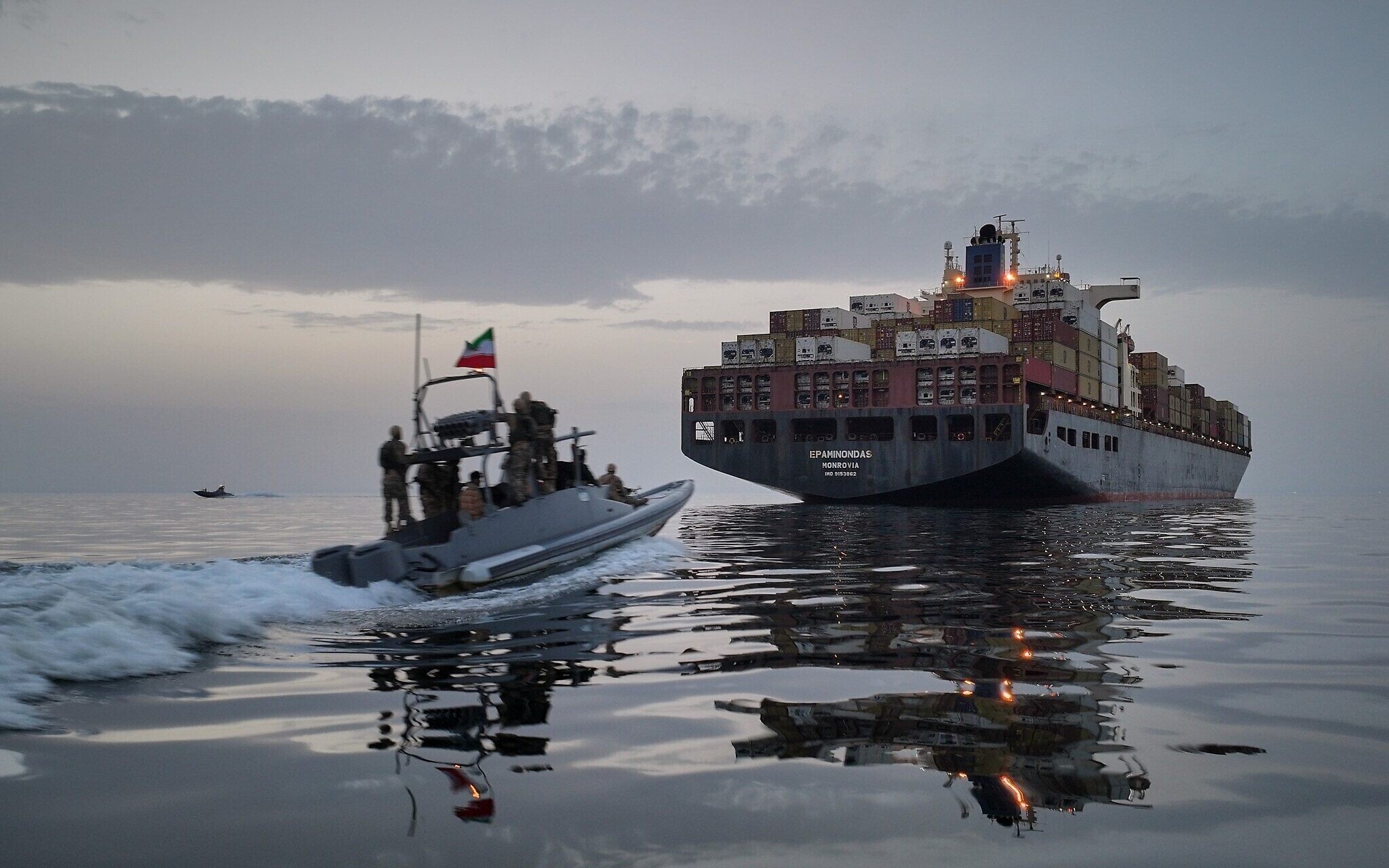
IRGC Navy says it struck Togo-flagged oil tanker in Strait of Hormuz

Iran’s Islamic Revolutionary Guard Corps Navy says a Togo-flagged oil tanker was struck while attempting to make an “illegal passage” through the Strait of Hormuz, Iranian state media says.

The tanker came to a halt after catching fire, the IRGC Navy adds.

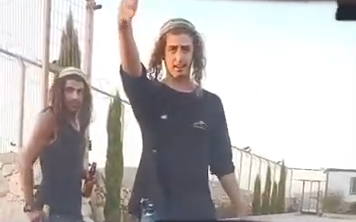
Settlers filmed blocking Palestinians from entering village in West Bank’s Area B

Israeli settlers are filmed blocking Palestinians from entering their village of Sinjil in the central West Bank on September 17, 2026. (Screen capture/X)

A pair of young Israeli settlers is filmed blocking Palestinian vehicles from entering the central West Bank village of Sinjil on Thursday.

The village is located in Area B, which falls under the civil jurisdiction of the Palestinian Authority.

The activist group Looking the Occupation in the Eye says the settlers seen in the footage also invaded homes in the village before blocking the entrance.

“Ethnic cleansing, forced displacement, or expulsion—however you look at it, the State of Israel is responsible here, too, for a crime against humanity under international law,” the left-wing group says. “When a film is made about this, you won’t be able to raise an eyebrow in surprise.”

Add ToI as a preferred source on Google

Russia and China veto US proposal for UN experts to keep monitoring sanctions on Iran

Russia and China veto a United Nations resolution that would have authorized UN experts to keep monitoring sanctions that were reimposed against Iran last year over its nuclear program.

The UN Security Council sanctions are still in effect, which freeze Iran’s assets abroad, halt arms deals with Tehran and penalize any development of Iran’s ballistic missile program, among other measures.

Using a provision in the 2015 nuclear deal between Iran and major powers France, Germany and the United Kingdom triggered the “snapback” mechanism, which reimposed the sanctions on Sept. 27, 2025. It restored the Security Council sanctions committee and authorized a panel of UN experts to monitor implementation.

The United States drafted a resolution to extend the UN expert panel’s mandate for a year, coming as America also pursues a wider campaign to isolate Tehran from its remaining economic partners as the more than six-month-old war in Iran has hit a stalemate.

The proposal is defeated by a vote of 11-2, with Somalia and Pakistan abstaining, because of the Russian and Chinese vetoes.

read more:
Join The Times of Israel Community
Commenting is available for paying members of The Times of Israel Community only. Please join our Community to comment and enjoy other Community benefits.
Please use the following structure: example@domain.com
Confirm Mail
Thank you! Now check your email
You are now a member of The Times of Israel Community! We sent you an email with a login link to . Once you're set up, you can start enjoying Community benefits and commenting.