

Netanyahu forces through election of his lawyer as state comptroller amid tainted vote
Michael Rabello wins 61-57 after vote rerun triggered by claims Likud MKs were told to film ballots to prove loyalty; opposition vows High Court petition to overturn ‘illegal, mafia-style’ process
Ariela Karmel is a political correspondent at The Times of Israel. She previously reported for Calcalist and Haaretz. She holds an MA in Middle Eastern and African History from Tel Aviv University and a BA in Political Science from the University of British Columbia.

Lawmakers voted 61-57 in the Knesset on Wednesday to elect Prime Minister Benjamin Netanyahu’s personal lawyer, Michael Rabello, as state comptroller in a controversial do-over vote marred by accusations that illegal pressure tainted the election.
The eventual win came after the second round of voting was halted and rerun amid allegations that Likud lawmakers were pressured and ordered to photograph — and even film — their ballots to prove they had voted for Rabello and not “betrayed” Netanyahu, despite the law requiring a secret ballot.
Opposition leaders accused Likud of undermining the integrity of the election and announced plans to petition the High Court of Justice to annul the result, arguing that lawmakers had been intimidated to prove how they voted.
The state comptroller, who reports directly to the Knesset, is responsible, among other things, for the external oversight of the activities of government ministries and local government, and the financial affairs of political parties, safeguarding the public interest. The outgoing comptroller has also been probing the government’s role in the failures that led up to the October 7, 2023, massacre.
Rabello will replace current State Comptroller Matanyahu Englman, who is due to complete his seven-year term this summer.
The office is meant to be independent of the prime minister and the government, making Rabello’s candidacy and now election particularly sensitive given his longstanding ties to Netanyahu and the allegations that coalition lawmakers were pressured to support him.
Rabello has represented Netanyahu in various political negotiations and has acted for both the prime minister and his wife, Sara, in numerous legal proceedings.
Among other cases, he has represented Netanyahu before the High Court of Justice on multiple occasions, including in petitions against the government demanding that a state commission of inquiry be established into the failures surrounding the Hamas-led October 7 invasion and atrocities.
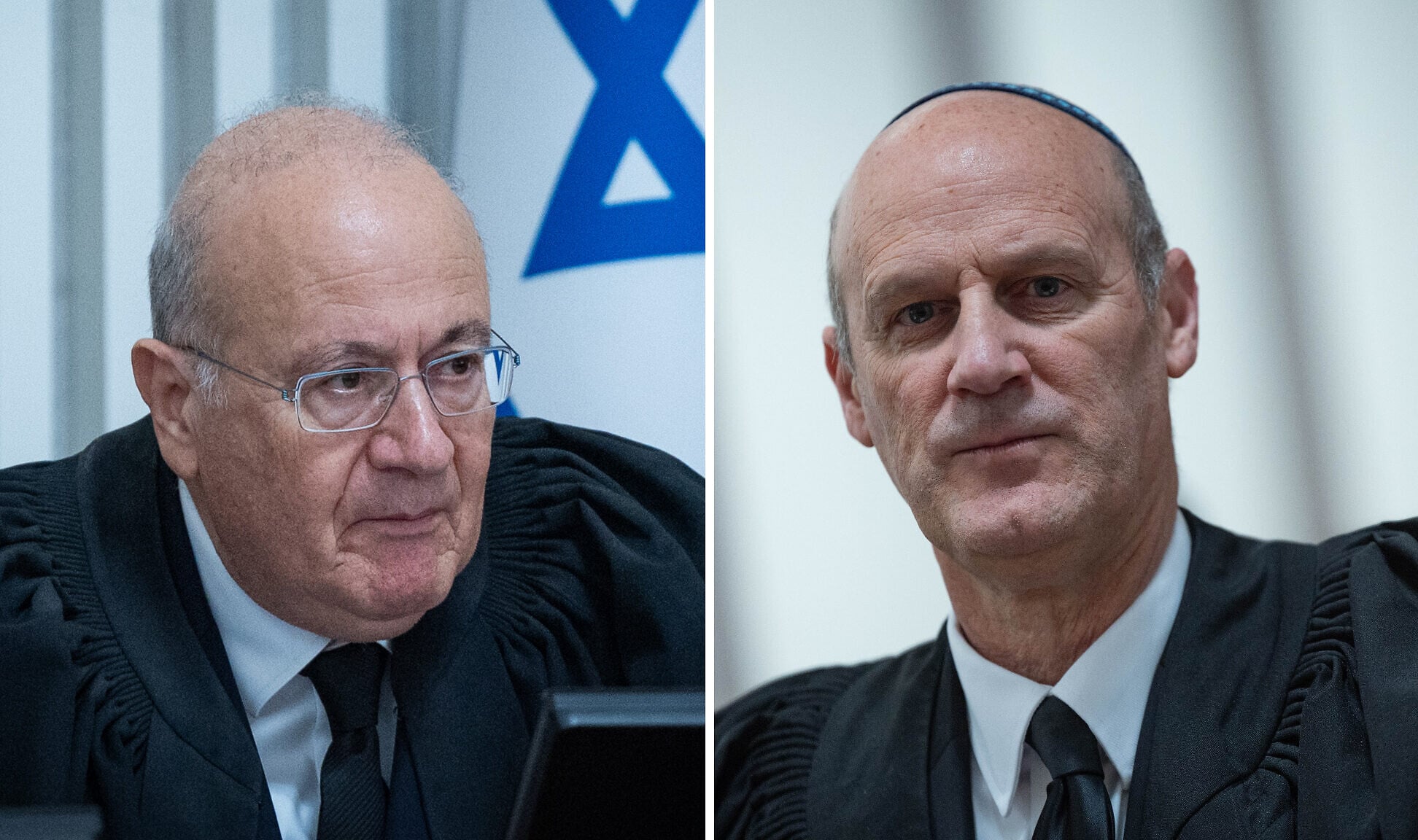
The election, initially conducted by secret ballot as required by law, descended into chaos after Rabello’s competitor and the opposition’s candidate, retired Supreme Court justice Yosef Elron, won the first round 60-57, falling just one vote short of the 61 needed for victory, meaning that several coalition lawmakers had defected.
Although nominated by opposition parties, Elron was also seen as popular among some coalition lawmakers. A conservative jurist appointed to the Supreme Court in 2017, he retired in 2024 after unsuccessfully seeking the court’s presidency with the backing of Justice Minister Yariv Levin. Both Supreme Court President Isaac Amit and Attorney General Gali Baharav-Miara have praised Elron for his contributions to Israeli criminal jurisprudence.
According to Hebrew media reports leading up to the election, coalition lawmakers, including members of Netanyahu’s ruling Likud party, had also sought to nominate Elron, but the prime minister lobbied for Rabello.
Netanyahu immediately congratulated Rabello on his election to the position, saying he would invite him in the coming days to a first working meeting.
“We will work together in full cooperation for the benefit of the public service in the State of Israel,” he said.
Pressure and loyalty
Under the State Comptroller Law, because neither candidate secured the support of 61 MKs in the first round, a second ballot was held, after which the candidate who wins the most votes wins, even without getting 61 votes.
However, the vote was plunged into chaos and ultimately halted amid reports that Likud MKs had been ordered to photograph or film their votes to prove they had voted for Rabello.
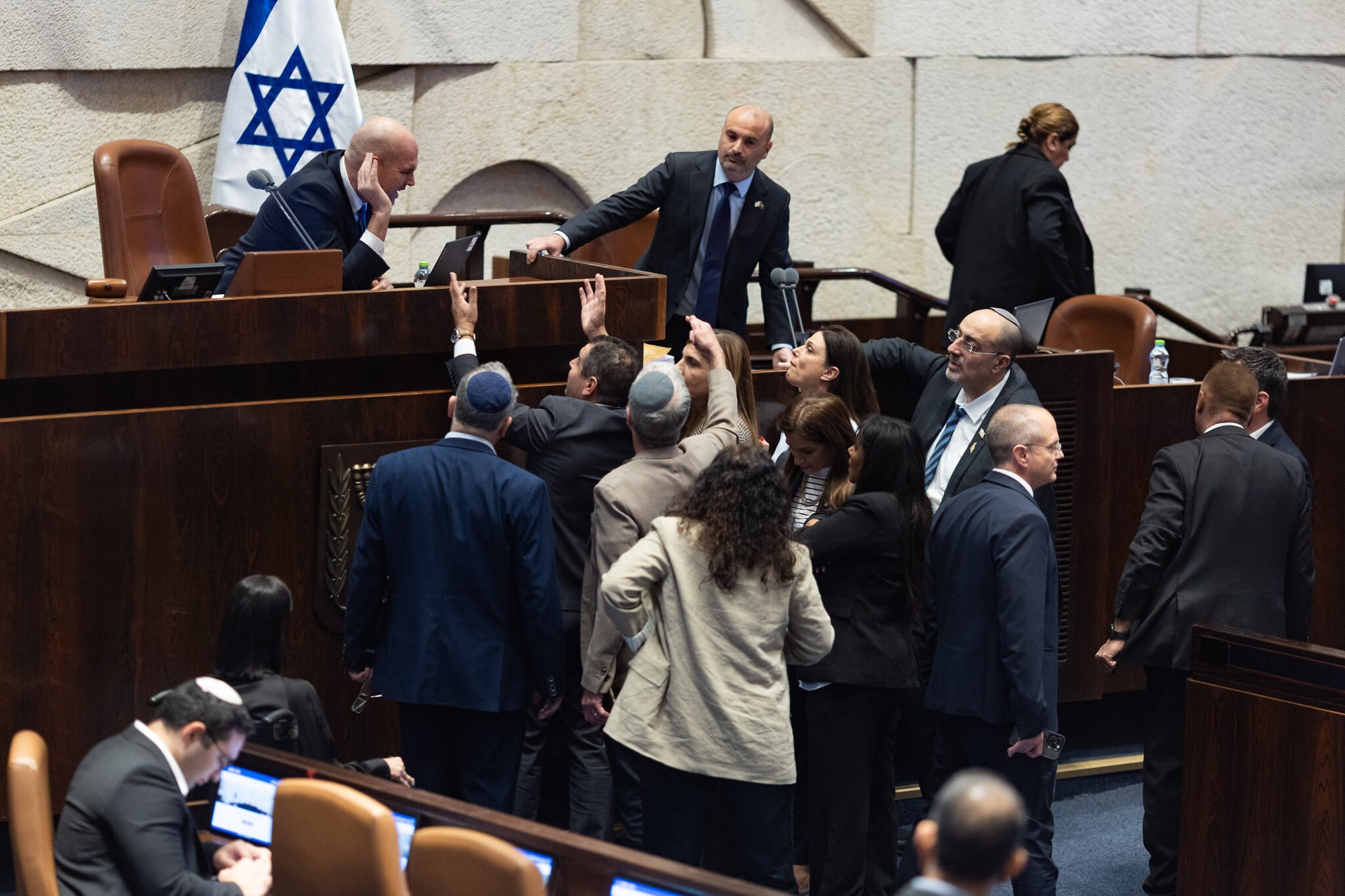
After Likud MK Keti Shitrit said that she would film her vote behind the curtain, enraging opposition members who demanded a revote, Hebrew media reported that Likud faction manager Aliza Barashi instructed lawmakers to film their vote, in violation of Knesset law.
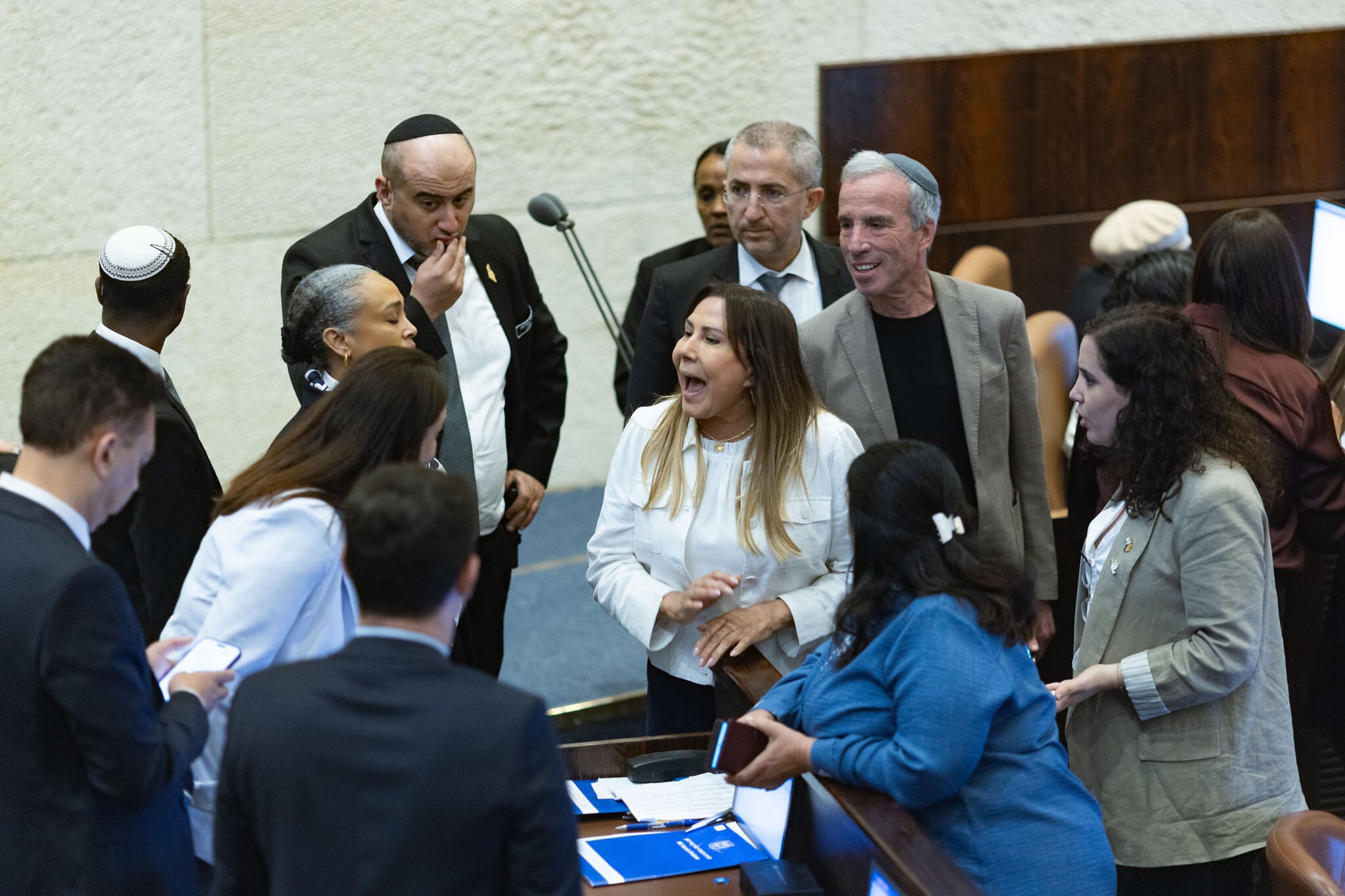
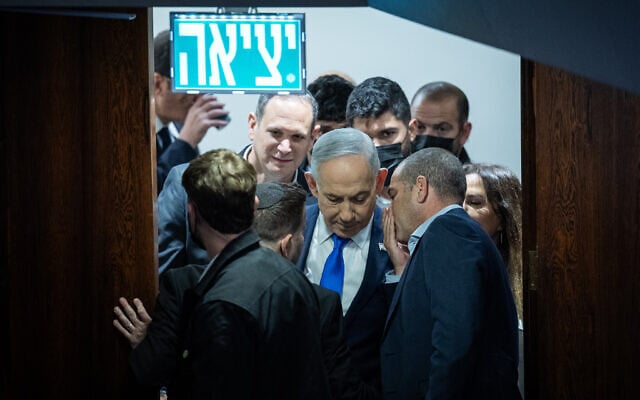
Following the uproar, the session was temporarily halted, while coalition lawmakers suspected of backing Elron in the first round were reportedly summoned to Netanyahu’s office.
Knesset Speaker Amir Ohana then ordered the second round to be rerun from scratch in order to “preserve the integrity of the process and remove any doubt.”
“If there was any instruction from anyone to photograph ballots in the voting booth, it was illegal and invalid,” he added.
However, Ohana also rejected the recommendation of Knesset Legal Adviser Sagit Afik to bar phones from the voting area to protect the secrecy of the ballot, ruling that lawmakers could photograph themselves if they chose.
Several MKs subsequently did so, including Likud lawmakers Sasson Guetta and Hanoch Milwidsky, and Likud ministers May Golan and Shlomo Karhi, who could be openly seen recording on their phones as they passed through the voting booth in apparent eagerness to demonstrate their loyalty to the prime minister.
אינני מכיר את עו״ד ראבילו. אך אם יש לו עצם אחת הגונה בגופו – עליו להודיע כי נוכח הפארסה המאפיוזית שהובילה לבחירתו הוא מוותר על התפקיד. אחרת – הוא שותף מלא להפיכתה של ישראל לרפובליקת בננות עלובה ומביכה pic.twitter.com/SQ34tZML4O
— Dan Adin דן עדין (@adin_dan) June 3, 2026
Rabello ultimately prevailed in the rerun, indicating that several coalition members who had voted for Elron in the first round changed course, capitulated to pressure, and did as they were told, backing Netanyahu’s choice in the second.
A Likud lawmaker, speaking on condition of anonymity, told Channel 12 of the intense pressure applied to lawmakers fearful of defying Netanyahu as Likud prepares to hold primaries for its Knesset slate by July 28. The contest will determine candidates from the second spot downward on the party’s electoral list, with many incumbent lawmakers expected to compete for placement.
“There was massive pressure on us to vote for Rabello,” said the unnamed lawmaker. “An MK who is close to Netanyahu spoke to me and said, ‘Respect the prime minister, make him happy.'”
Opposition vows court challenge
Opposition parties unanimously condemned the vote and swiftly announced plans to challenge the result in court, arguing that the integrity of the secret-ballot election had been irreparably compromised.
Yesh Atid leader Yair Lapid said he would petition the High Court of Justice on behalf of his and former prime minister Naftali Bennett’s joint Together slate.
“Likud has tainted the elections for state comptroller,” Lapid said, adding that he would petition the court over the party’s “undermining the secrecy of the vote” as well as due to Ohana’s “intervention on behalf of the Likud faction regarding the legal adviser’s position.”
“These were not free votes, but extortion of Likud MKs living under the threat of a price on their heads,” Bennett said, adding that the votes should be “disqualified.”
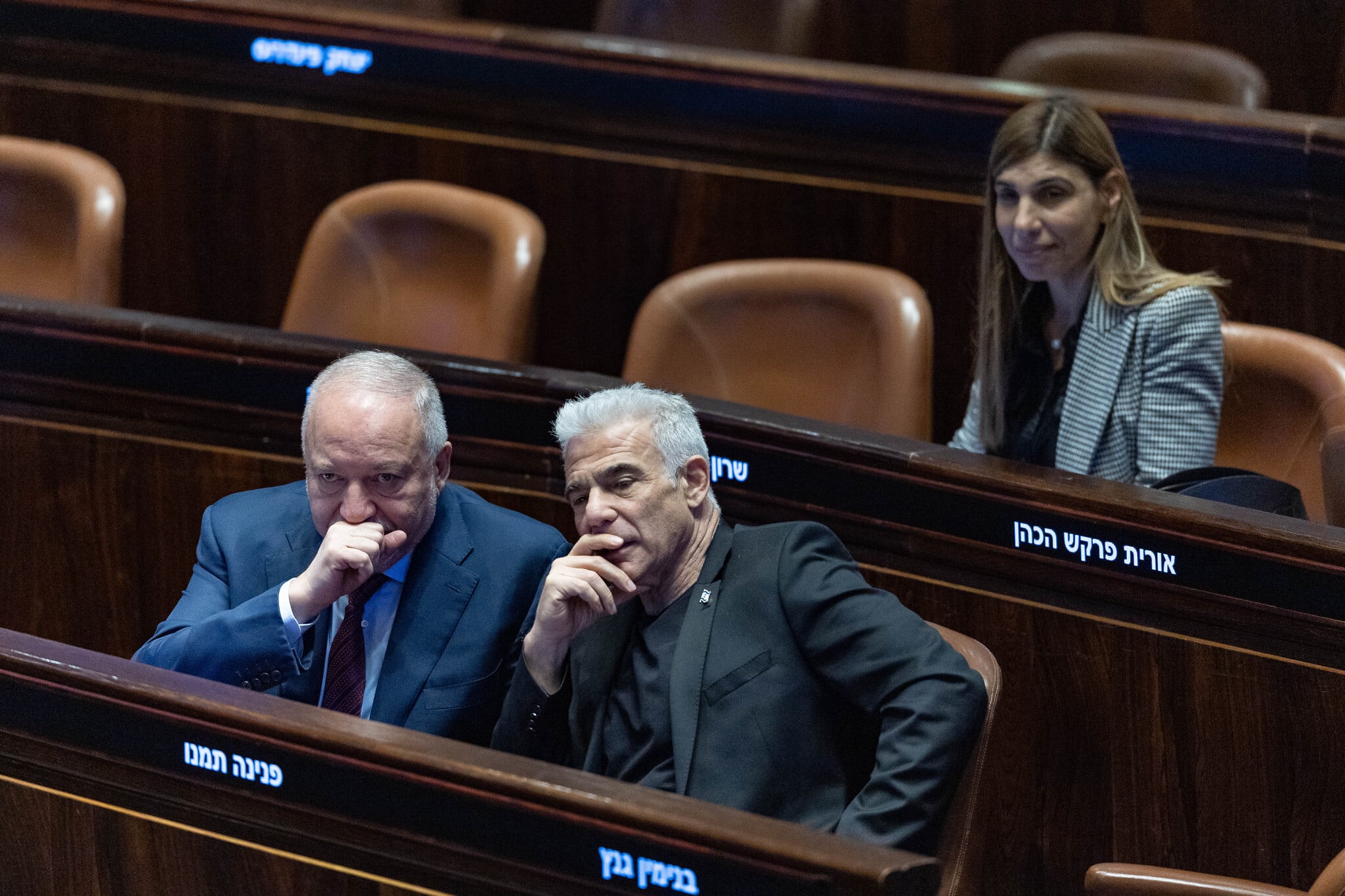
Bennett accused Netanyahu and the government of installing Rabello as state comptroller in order to shield himself from scrutiny for the October 7, 2023, attacks.
“This government will stop at nothing to evade the truth and escape responsibility for the greatest massacre in the state’s history,” Bennett said in a pre-recorded video message.
“If turning a private lawyer into a state comptroller is what it takes to cover up the search for truth, then that is what they will do,” he continued.
Comparing the party to the mafia, and calling Rabello Netanyahu’s “consiglieri,” Bennett said that the “patently illegal” election undermined the independence of an office tasked with overseeing the government and investigating failures by public officials.
Other opposition lawmakers compared the Likud’s handling of the affair to a criminal organization. Democrats MK Naama Lazimi called the directive to photograph ballots “mafia-style and illegal,” describing Likud as “a full-fledged crime organization,” while Yesh Atid MK Moshe Tur-Paz similarly denounced the affair as “the conduct of a criminal organization.”
Yisrael Beytenu chairman Avigdor Liberman accused Netanyahu of trying to turn the Knesset into “a house of rags,” declaring that “North Korea is here.”
“Once, [Netanyahu] wanted to photograph Arab citizens as they voted in elections. Today he wants to photograph his servants as they vote in the Knesset,” Hadash-Ta’al chairman Ayman Odeh said, referring to past efforts by Likud to place cameras in Arab polling stations.
Several opposition lawmakers argued that the controversy raised broader concerns about the integrity of Israel’s upcoming national elections, which must be held by October 27 but could take place earlier if the Knesset votes to dissolve itself.
They contended that efforts to pressure lawmakers to prove how they voted in a secret-ballot election offered a troubling glimpse of how the ruling party might behave in the general election, reviving longstanding opposition accusations that Netanyahu and Likud are willing to erode democratic norms for political gain.
“The criminal and illegal disgrace taking place now in the state comptroller election is only a preview of the next Knesset election,” said Democrats MK and former Labor chair Merav Michaeli, while Yisrael Beytenu MK Yulia Malinovsky said dryly that Likud’s next step will be to “demand that citizens photograph themselves in the voting booth.”
Yesh Atid MK Vladimir Beliak similarly warned: “If you have any doubt whether Likud will try to undermine the integrity of elections, look at what is happening right now in the plenum with the election of the state comptroller. This is only the introduction.”
Democrats MK Gilad Kariv went further, arguing that Netanyahu was seeking to install an ally in a position that has oversight authority over the Central Elections Committee.
Claiming the prime minister was already preparing to challenge the legitimacy of a future defeat, Kariv alleged that Netanyahu is “working around the clock to prepare a campaign of incitement and delegitimization of the election results” and was “building the infrastructure for an Israeli January 6,” referring to the 2021 insurrection by US President Donald Trump’s supporters on the US Capitol after his defeat in the 2020 elections.






The Times of Israel Community.