

Palestinian banking crisis averted, as Israeli bank delays plan to halt collaboration
A day before deadline, Discount Bank agrees to push off plan to stop correspondent banking services to Palestinian counterparts, which tethers West Bank to global economy

 Add ToI as a Preferred Source on Google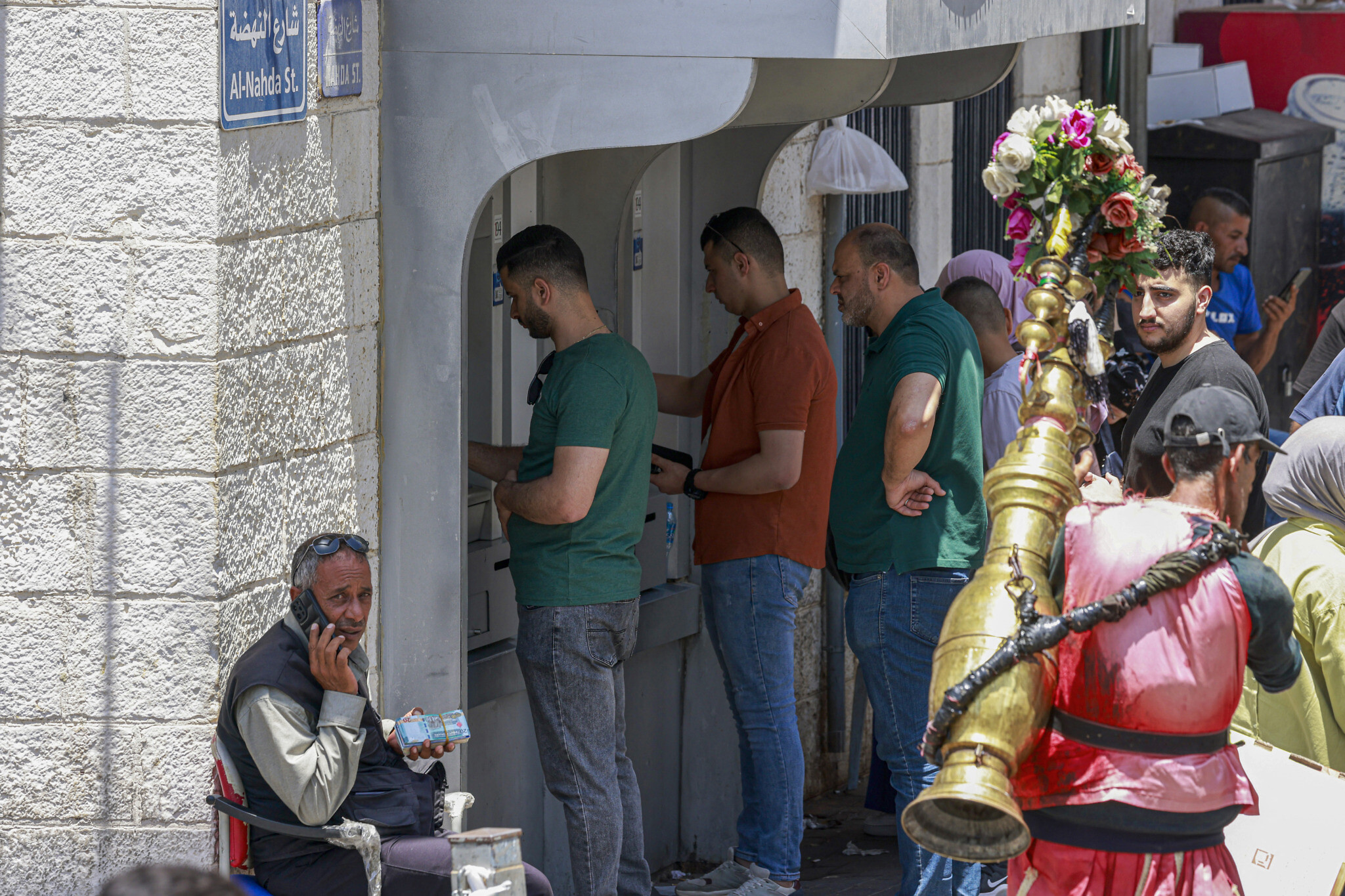
A Palestinian banking crisis has been averted for the time being, after Israel’s Discount Bank — facing international pressure — agreed to push off its plan to stop providing correspondent banking services to Palestinian financial institutions, an Israeli and a Palestinian official told The Times of Israel on Monday.
Discount had informed Palestinian banks earlier this summer that on September 1 it would cease the service, which is essential to the import and export of goods to and from the West Bank.
Following intensive negotiations with the Bank of Israel — and amid significant pressure from the US and the European Union — Discount agreed to put off that decision until December 31, the officials said.
Discount and Hapoalim are the only Israeli banks that provide correspondent banking services, tethering the West Bank to the global economy.
Hapoalim had initially informed Palestinian banks of a decision to cease providing the service on October 1.
On Tuesday, Hapoalim agreed to follow Discount in pushing off its deadline until the end of 2026, an Israeli official told The Times of Israel.

The banks confirmed progress in their talks with the Bank of Israel on August 21, but Discount didn’t agree to put off its deadline until a day before it was set to kick in.
The two banks had blamed the Israeli government for their decision to cease correspondent banking services, explaining that they had been assured roughly a decade ago that a new financial entity would be established to assume the task.
But successive governments dragged their feet on the matter, with finance ministers instead signing indemnity waivers meant to shield Discount and Hapoalim from possible legal liability.
Finance Minister Bezalel Smotrich began reassessing that policy as part of a host of steps aimed at weakening the Palestinian Authority. Over the past year, he signed waivers that only lasted for two weeks at a time, extracting significant measures to expand Israeli settlements in the West Bank in exchange for each letter.
Following pressure from the Trump administration, Smotrich agreed late last month to sign indemnity waivers for Discount and Hapoalim that are in effect until the end of the year, when a government less hostile to the PA could take charge after the October 27 Knesset elections.
But by that point, the Israeli banks had already lost patience and informed their Palestinian counterparts that they would nevertheless stop providing correspondent banking services in the coming weeks.

The notification sparked panic in Ramallah, prompting officials from the US and European Union to intervene on the PA’s behalf, the officials said.
Israeli officials have subsequently held talks with Discount and Hapoalim to resolve the issue and are nearing a solution that would see the banks postpone their plans in exchange for improvements to the indemnity waiver terms, a source familiar with the matter told The Times of Israel.
A source from each of the two banks confirmed progress was made in those talks, while clarifying that they had yet to make final decisions on delaying the cessation of cooperation with Palestinian banks.
The Oslo Accords between Israel and the Palestinians in the 1990s established the Israeli shekel as the dominant currency in the West Bank and Gaza, but did not give Palestinian banks the ability to clear shekel transactions from outside the West Bank. Accordingly, the Israeli government tasked Discount and Hapoalim with providing correspondent banking services to Palestinian banks.
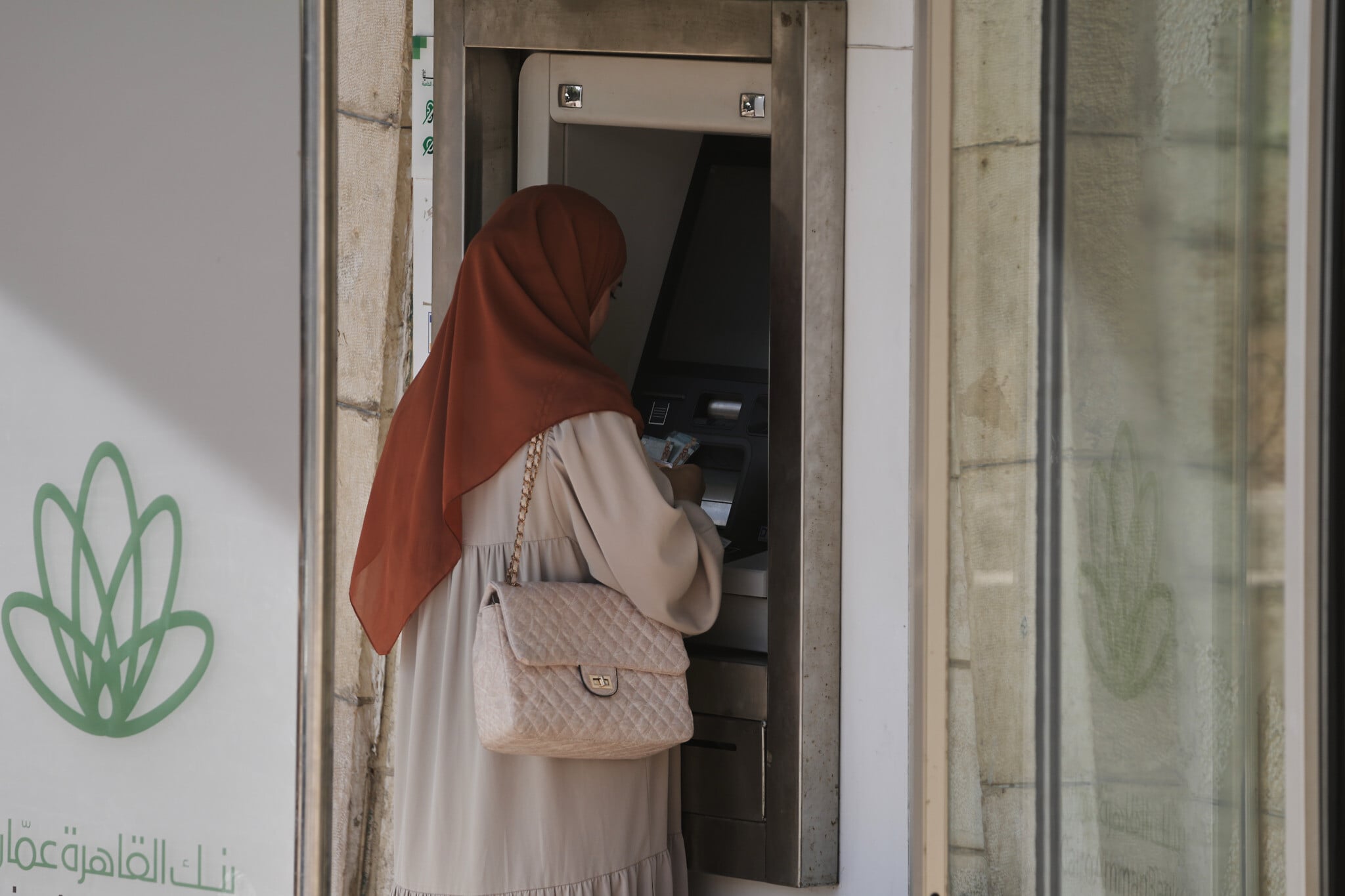
The service has allowed Palestinian banks to process cross-border payments for commercial activity, though the two Israeli banks have long expressed concern they could be exposed to lawsuits for alleged Palestinian money laundering and terror financing.
To mitigate the risk to the banks, a previous government led by Prime Minister Benjamin Netanyahu set up the Company for Correspondence Services in 2019, though Knesset legislation must be passed for it to begin operating. While a bill has been drawn up, successive coalitions have deferred the legislation due to the perception that it would benefit the Palestinians, and it became an afterthought amid other domestic debates and regional tensions.
After issuing their threat to halt correspondent banking services, Discount and Hapoalim hoped the government would respond by finally moving to pass the legislation creating the Company for Correspondence Services, but the prospect fizzled out when the Knesset dissolved ahead of the October 27 election.
Given that the banks’ deadline has only been pushed off until the end of the year, the next government will have to make passing the law allowing the Company for Correspondence Services to begin operating an immediate priority.

The correspondent banking issue is not the only one pushing the PA to the brink of collapse.
For over a year, Smotrich has been withholding the transfer of over $6 billion in clearance revenues, which make up the bulk of the PA’s budget.
The far-right minister has taken other steps to severely hobble the Palestinian banking sector, which in turn has been unable to make use of billions of additional shekels languishing in West Bank vaults.
Additionally, Israel’s revocation of work permits for over 100,000 Palestinians due to security concerns after Hamas’s October 7, 2023, onslaught has caused unemployment to skyrocket to 35 percent in the West Bank.
The territory has also seen a massive rise in unchecked settler violence as well as the establishment of over 100 new outposts and settlements that have led to significant curbs on Palestinian movement, which has further hampered businesses’ ability to operate.
The Israel Defense Forces has also launched raids in West Bank refugee camps that have led to a major decline in terror attacks while rendering tens of thousands of Palestinians homeless.










The Times of Israel Community.