

Rubio says no new Iran offensive for now as US focuses on economic pressure — report
Washington also bent on restoring shipping through Hormuz; Iran and Oman discuss temporary corridor; oil firms begin avoiding vessels on Iranian blacklist of ships
 Add ToI as a Preferred Source on Google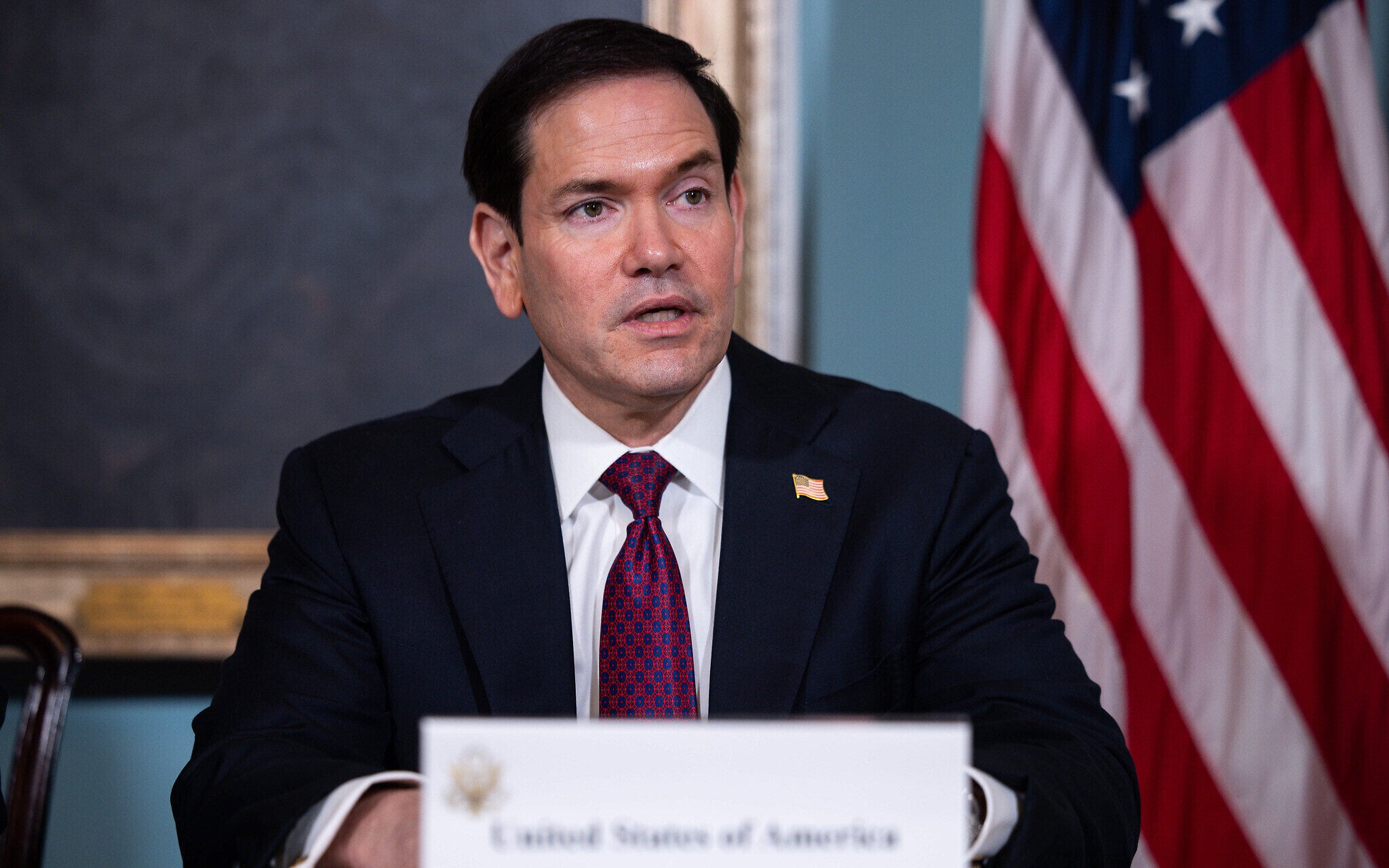
US Secretary of State Marco Rubio has told counterparts around the world that Washington does not currently expect to launch new offensive strikes against Iran, as the Trump administration shifts its focus to economic pressure and restoring shipping through the Strait of Hormuz, Channel 12 reported Tuesday.
Rubio did not rule out US military action if Iran initiates new hostilities, according to two sources familiar with the conversations.
The change in emphasis comes as Washington imposes new sanctions on Tehran and pushes to normalize traffic through the vital waterway. At the same time, Iran warned that the strait will remain closed unless the United States ends the war, nearly six months after the US and Israel launched their offensive, and fulfills commitments Tehran says Washington violated according to a June memorandum of understanding.
The US approach is expected to remain in place at least through the country’s midterm elections in early November, after which the possibility of a broader military campaign could again be considered, according to the Channel 12 report.
US Treasury Secretary Scott Bessent on Monday laid out new sanctions on Iran, which he called “economic asphyxiation,” warning that countries that do not support the US economic campaign would “share in the isolation” of the Islamic Republic.
The Treasury Department said the expanded sanctions would target Iran’s digital assets and technology, gold, aviation and shipping sectors, with measures affecting entities in the United Arab Emirates, Hong Kong, China, Singapore and Europe.
Prime Minister Benjamin Netanyahu welcomed the new US sanctions, saying Washington was exacting a “steep price” from Iran and “those who assist its continued aggression.”
Hormuz mine-clearing
US President Donald Trump said Tuesday that the US Navy had cleared mines from the strait’s Traffic Separation Scheme, the main shipping corridor between Oman and Iran.
Channel 12 reporter Barak Ravid, who also reports for Axios, cited US officials with direct knowledge as confirming Trump’s announcement.
Over the past several months, US Navy underwater drones systematically scanned the area and identified more than 100 objects suspected of being mines, according to Axios. Private contractors were then brought in to remove or detonate them.
US officials said the operation had made it safe for vessels to transit the strait in both directions under US Air Force protection, potentially allowing a significant increase in tanker traffic.
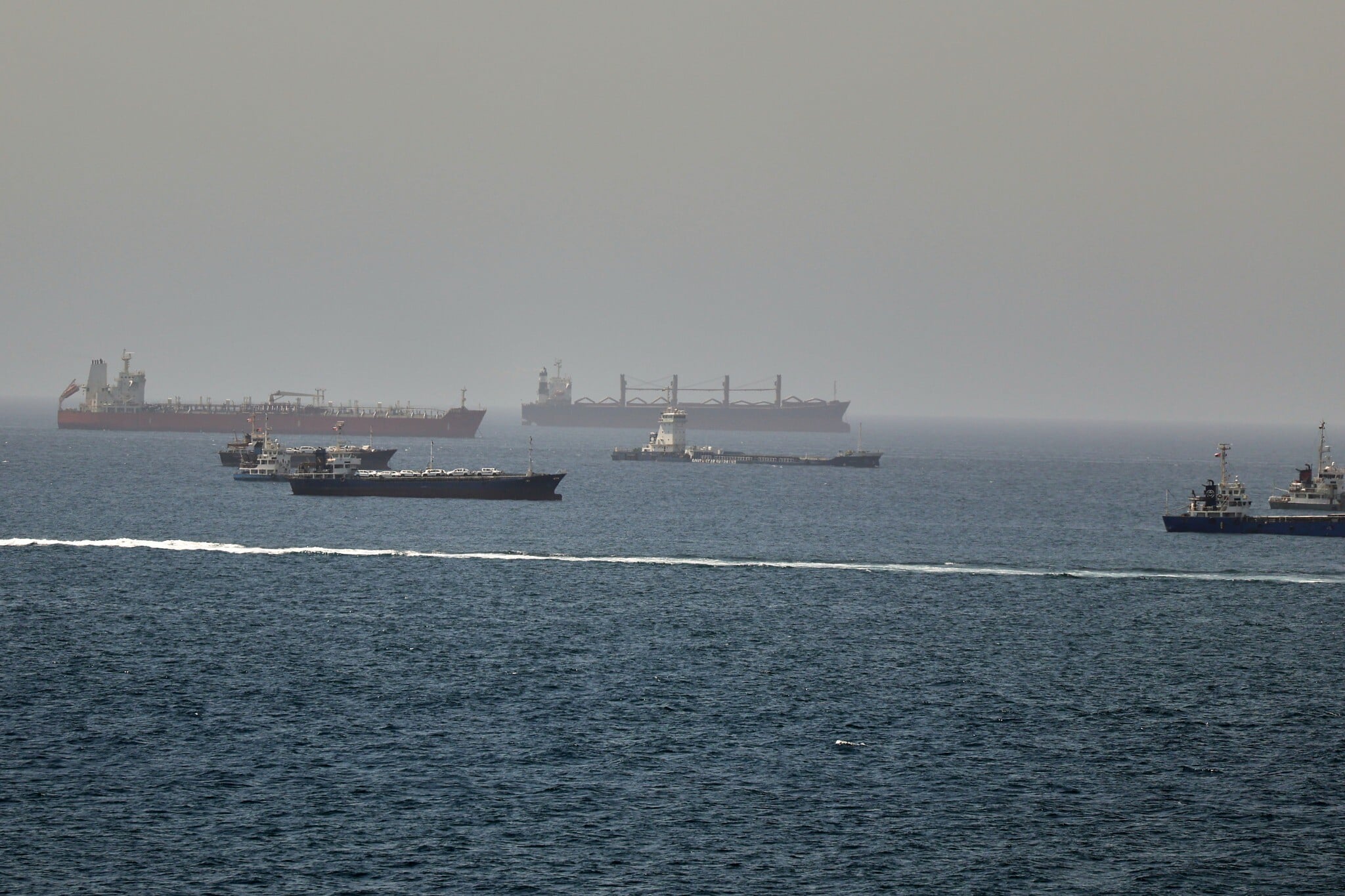
They argued that removing the mines reduced Iran’s leverage over global energy markets and in any future negotiations with Washington.
Iran rejected Washington’s account on Wednesday, with Deputy Foreign Minister Kazem Gharibabadi calling claims that the mines had been cleared “propaganda deception” and warning that Tehran would target US minesweepers that enter the area.
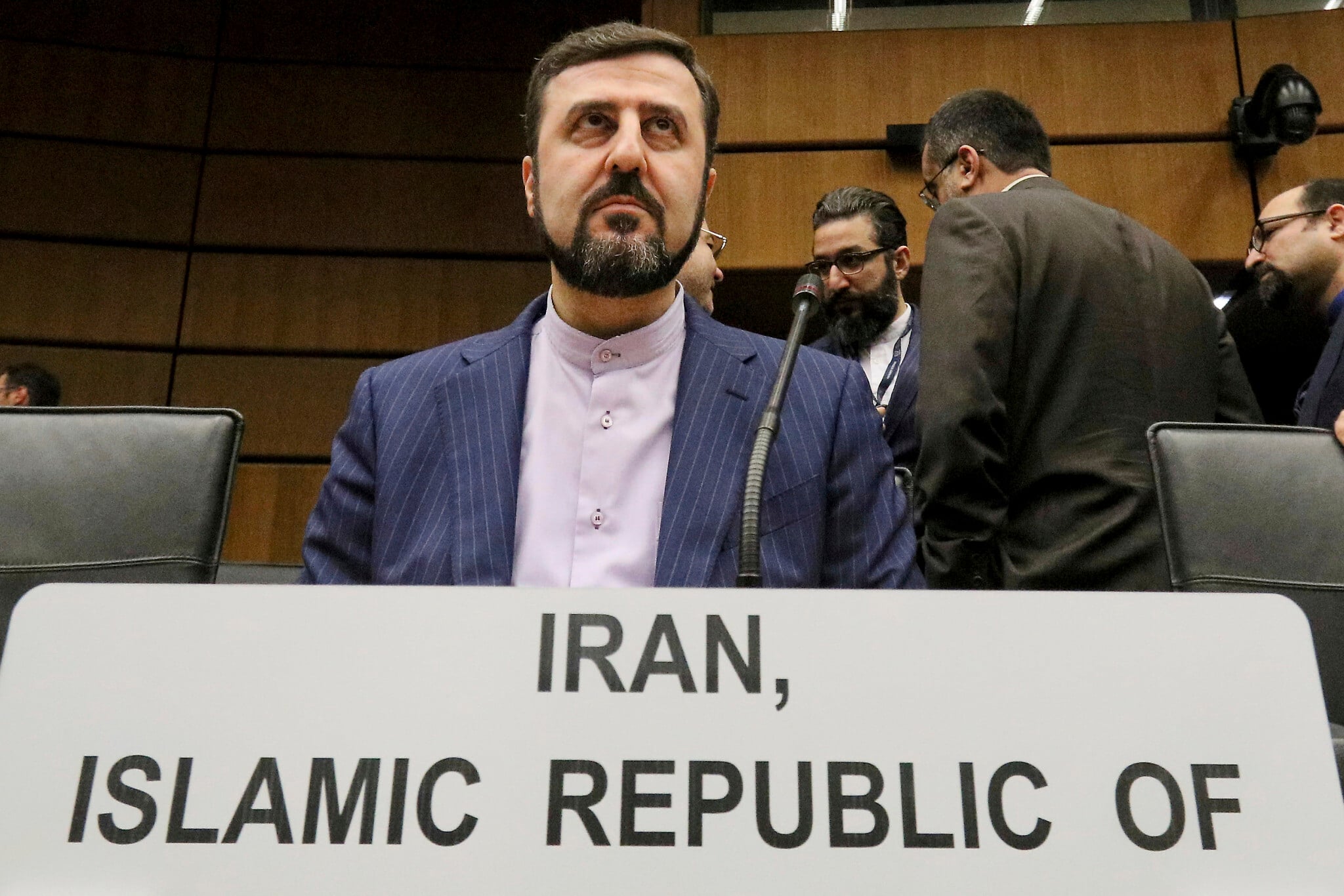
Gharibabadi said Iran would not allow military vessels from any country to pass through Hormuz and would continue monitoring commercial vessels seeking to cross.
“We closed the Strait of Hormuz before the United States imposed an economic blockade because the United States failed to fulfill its commitments under the memorandum of understanding,” he said, according to Iran’s state-run IRNA news agency.
“Before any action is taken to reopen the Strait of Hormuz, the United States must fully implement all of the commitments it has violated,” Gharibabadi said, calling on Washington to end the war and lift its blockade.
Iran has blockaded the strait, which normally carries around one-fifth of the world’s oil and liquefied natural gas exports, while Washington has imposed a naval counter-blockade on Iranian ports.
Iran and Oman discuss temporary corridor
At the same time, Iran and Oman continued discussing a temporary transit corridor and a joint mine-clearing project aimed at allowing some traffic through the strait.
During talks in Tehran, the countries’ foreign ministers discussed a “phased framework” that would establish a “joint temporary navigational corridor through the Strait of Hormuz” and a joint project to clear mines from the waterway.
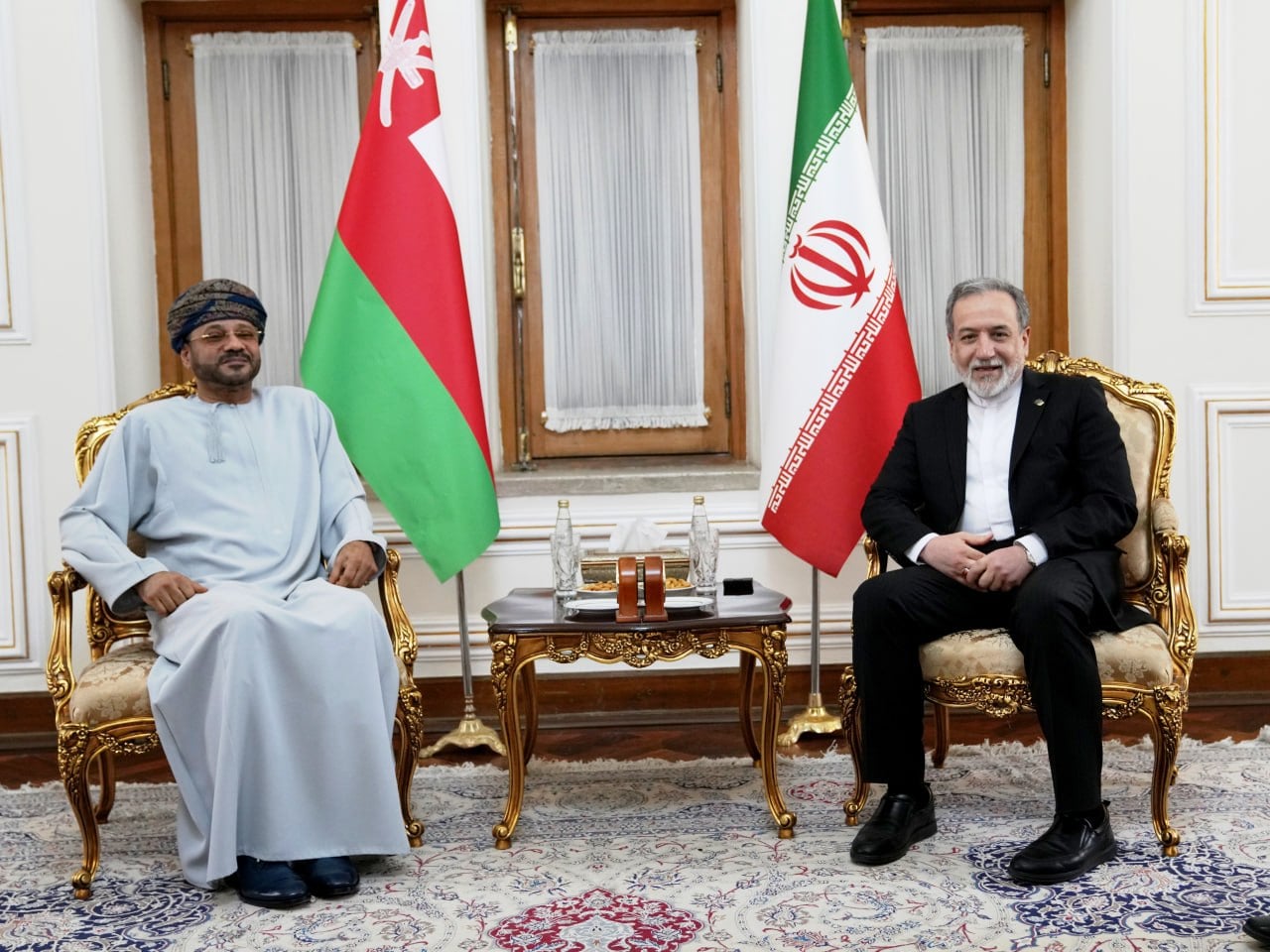
Omani Foreign Minister Badr Albusaidi said Tuesday that he hoped the two countries would “soon announce” the temporary corridor.
“Future management of the strait and a permanent solution will follow in due course,” he wrote on X.
Iranian Foreign Minister Abbas Araghchi described the proposed framework as evidence that Tehran’s “commitment to peace and stability is matched by steadfast diplomacy with our neighbors.”
Oil firms respond to Iran’s ship blacklist
At least three Indian oil refiners and a major global energy company plan to stop using vessels included on a new Iranian blacklist, including for ship-to-ship transfers, four sources with direct knowledge of the matter told Reuters.
Tehran on Sunday published a list of 45 ships it said had violated its rules for crossing the Strait of Hormuz and threatened action against vessels that transfer cargo with them.
The named vessels could be fined, detained and have their cargoes confiscated, according to a post on X from the Persian Gulf Strait Authority, a new body set up by Iran to manage the strait.
Some of the listed tankers are owned or chartered by Saudi Aramco and Abu Dhabi National Oil Co. They have been used to shuttle crude oil, refined products and liquefied natural gas through the strait for ship-to-ship transfers off Fujairah in the United Arab Emirates or Sohar, Oman, according to shipping data.
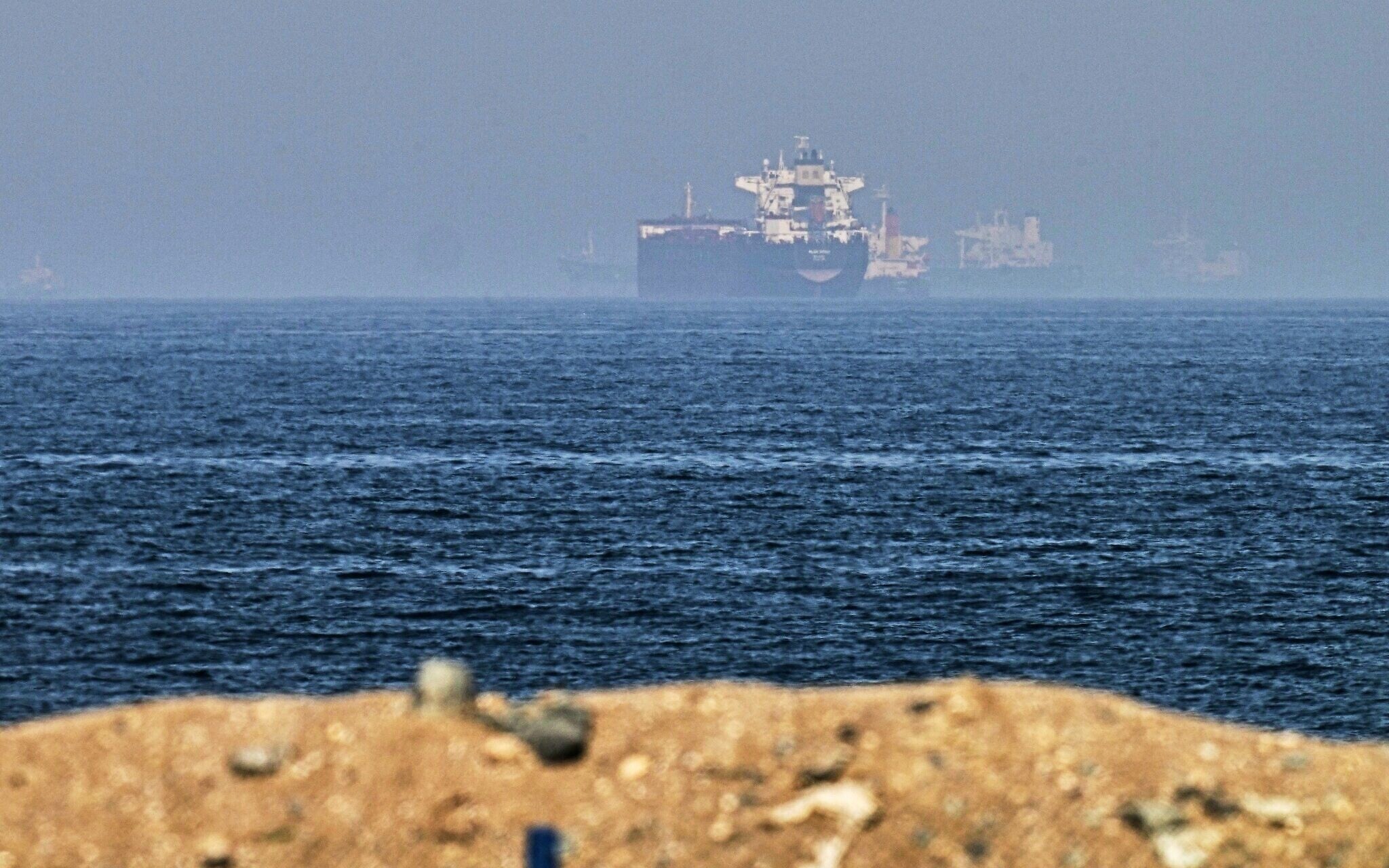
Those shuttle runs have helped maintain Gulf oil flows despite Iran’s restrictions on shipping through Hormuz.
Several charterers and shipping companies are now discussing whether to continue such operations, Reuters reported.
“We will avoid our chartered vessels dealing or STS or anything to do with non-compliant ships for Middle Eastern cargos,” said one of the sources, who works at an Indian refinery.
Ana Subasic, a trade risk analyst at ship-tracking firm Kpler, said compliance-sensitive buyers were likely to avoid the blacklisted vessels, though trade would probably shift to alternative ships, counter-parties or transfer locations rather than disappear.
“The key issue is contagion,” she said, warning that if Iran follows through on threats against vessels dealing with blacklisted tankers, it could reduce the pool of willing shipowners and buyers while increasing freight, insurance and risk costs.
Iran previously attacked several of the vessels included on the list.
Oil prices continued to decline on Wednesday as concerns over another military flare-up in the Middle East receded.







The Times of Israel Community.