

Saudi Arabia said low on interceptors to thwart mounting Houthi missile attacks
After Iran-backed Yemeni rebels’ deadly strikes on Riyadh airport over the weekend, Crown Prince Mohammed bin Salman shuttling between guarded, bunker-equipped palaces, WSJ reports
 Add ToI as a Preferred Source on Google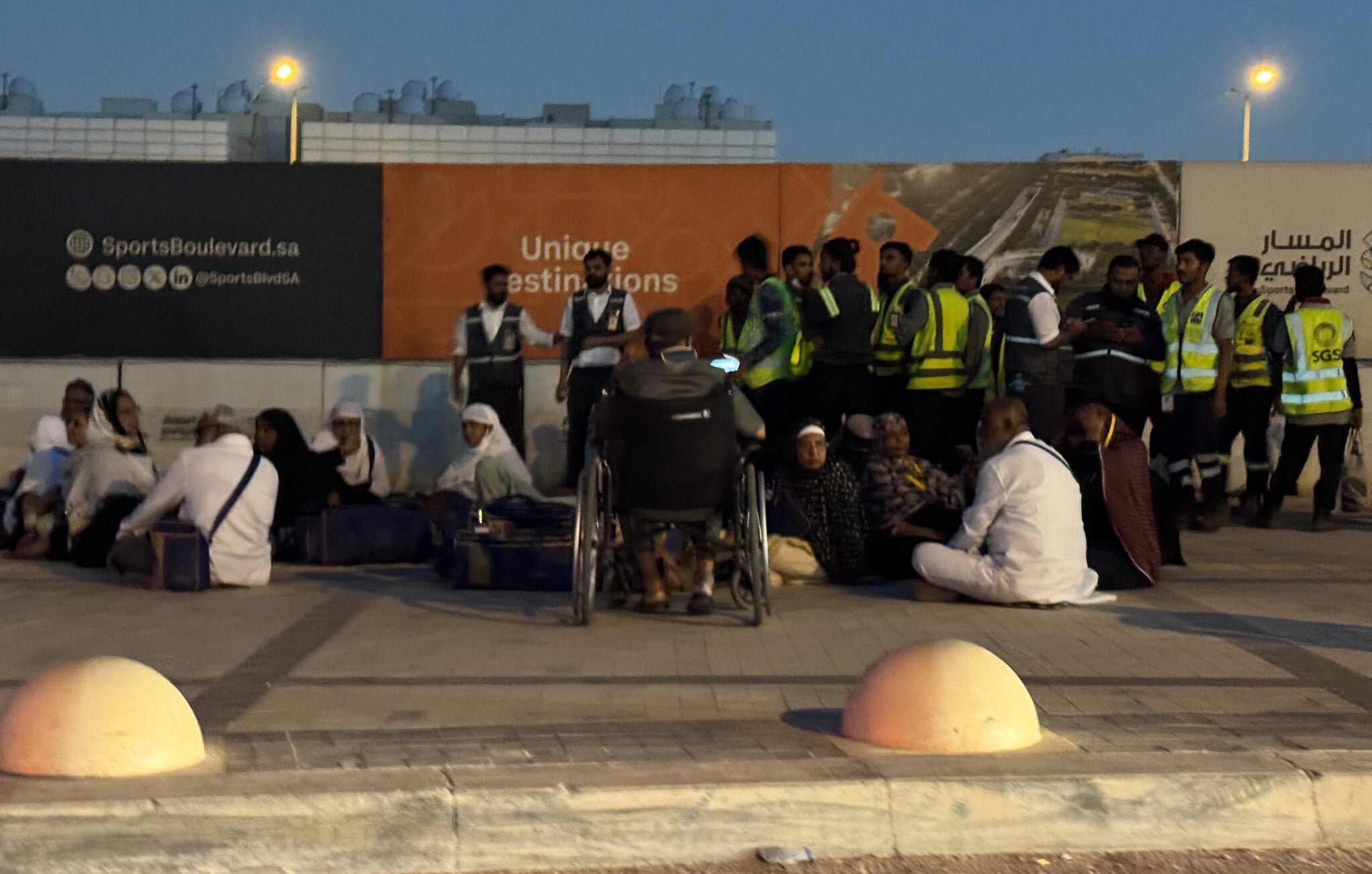
Saudi Arabia is running low on interceptor missiles needed to fend off ongoing strikes from the Iran-backed Houthi group in Yemen, The Wall Street Journal reported Monday, citing Saudi officials.
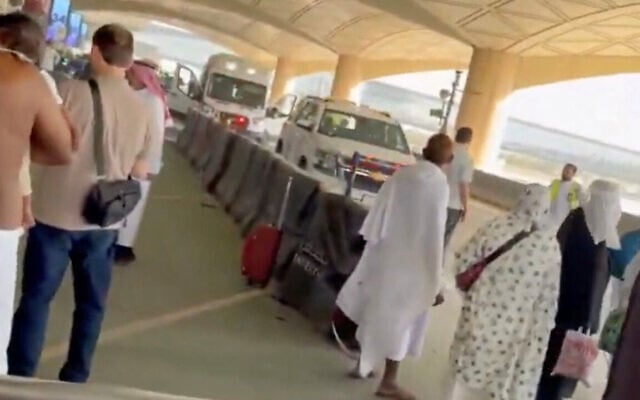
The report came days after the rebels struck Riyadh’s international airport with a missile, killing at least 12 people and injuring over 300. Further attacks, including another one targeting the same airport, were reported on Sunday and Monday.
The long-running conflict between the Houthis and Yemen’s internationally backed government, which enjoys Saudi military support, has escalated since the US and Israel attacked Iran on February 28, triggering an ongoing conflict that has spread across the region.
According to the newspaper, which cited people familiar with the kingdom’s thinking, Saudi Arabia is “struggling to cover the vast country with air defense” and is moving missile defense batteries around the country in order to best protect both key energy infrastructure as well as its palaces.
The Journal said Saudi Crown Prince Mohammed Bin Salman is moving carefully between “heavily guarded palaces equipped with bunkers” accompanied by handpicked security guards.
The Saudi government did not respond to the WSJ’s request for comment.
Al Arabiya shows footage of the moment yesterday’s Houthi attack struck King Khalid International Airport in Riyadh, including Umrah pilgrims preparing to board their flights before the strike. pic.twitter.com/Gp2xPdmkuK
— Al Arabiya English (@AlArabiya_Eng) October 11, 2026
Andreas Krieg from the London-based MENA Analytica risk firm told AFP on Sunday that “even a layered system combining Patriot, THAAD, fighter aircraft and other sensors cannot create an impermeable dome over a country the size of Saudi Arabia,” which spans around 2.2 million square kilometers (1.4 million miles).
They have “to defend Riyadh, airports, oil facilities, military bases, the holy cities and a vast amount of critical infrastructure continuously,” he added.
Saudi Arabia has limited military-industrial capacity and has therefore spent heavily on imported cutting-edge weaponry. Historically, it has relied on a large presence of foreign personnel, contractors and trainers to supplement its forces.
Krieg said that while Saudi defenses are intercepting many incoming attacks, “the Houthis do not need to penetrate the system every time” to achieve their goals. Rather, all they need is the occasional hit, and the repeated strikes on Riyadh’s airport show that they “retain the ability to generate follow-on attacks at strategic range.”
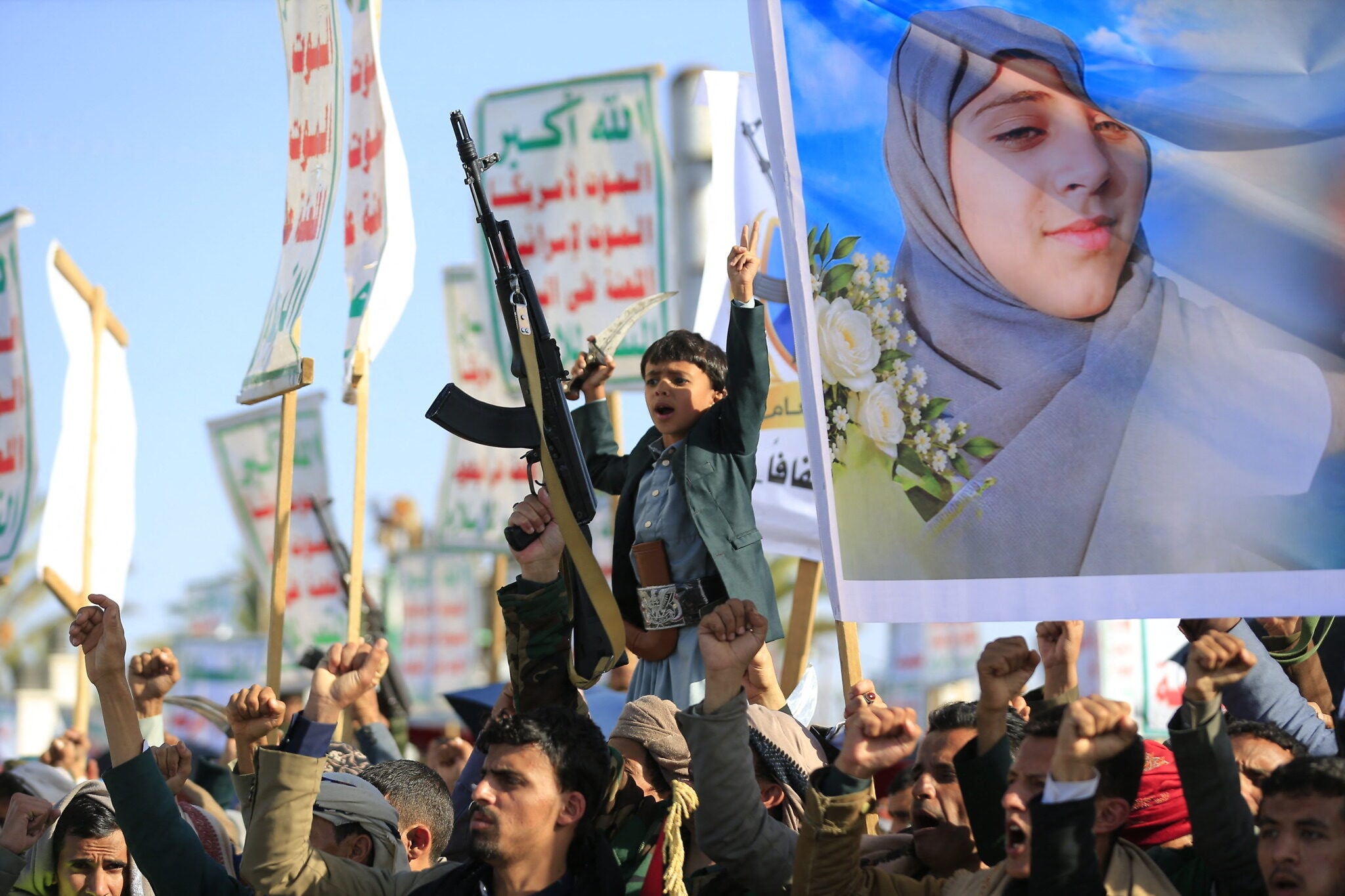
Thomas Juneau, security analyst at Ottawa University, said that Houthis want to “rewrite the rules of the game.”
With Saudi warplanes attacking Sanaa airport, which is under Houthi control, the Iran-backed group wants “to do to Saudi Arabia what Saudi Arabia does to them,” he explained.
The Iran-backed rebel group’s missiles and drones have for years posed a threat to oil-rich Gulf neighbors and were used to attack Israel on an almost daily basis throughout years of fighting after Hamas’s October 7, 2023, invasion from Gaza triggered a multifront war.
By targeting critical Saudi infrastructure, the Houthis’ message is “that the price of peace keeps on going up,” Juneau said, referring to hopes of finally resolving the Yemen war.
“For Saudi Arabia, this is an absolute disaster because Saudi Arabia has been trying to extricate itself from the war in Yemen for several years,” he said.
Moreover, Krieg said, “the airport matters enormously” because it is central to the crown prince’s Saudi Vision 2030, which aims to make Riyadh a major hub for tourists, multinational companies, and international events. “The Houthis understand that.”
The analyst warned that while disrupting Riyadh’s airport may not erode Saudi military power, repeated attacks inflict economic and psychological costs that exceed the physical damage.
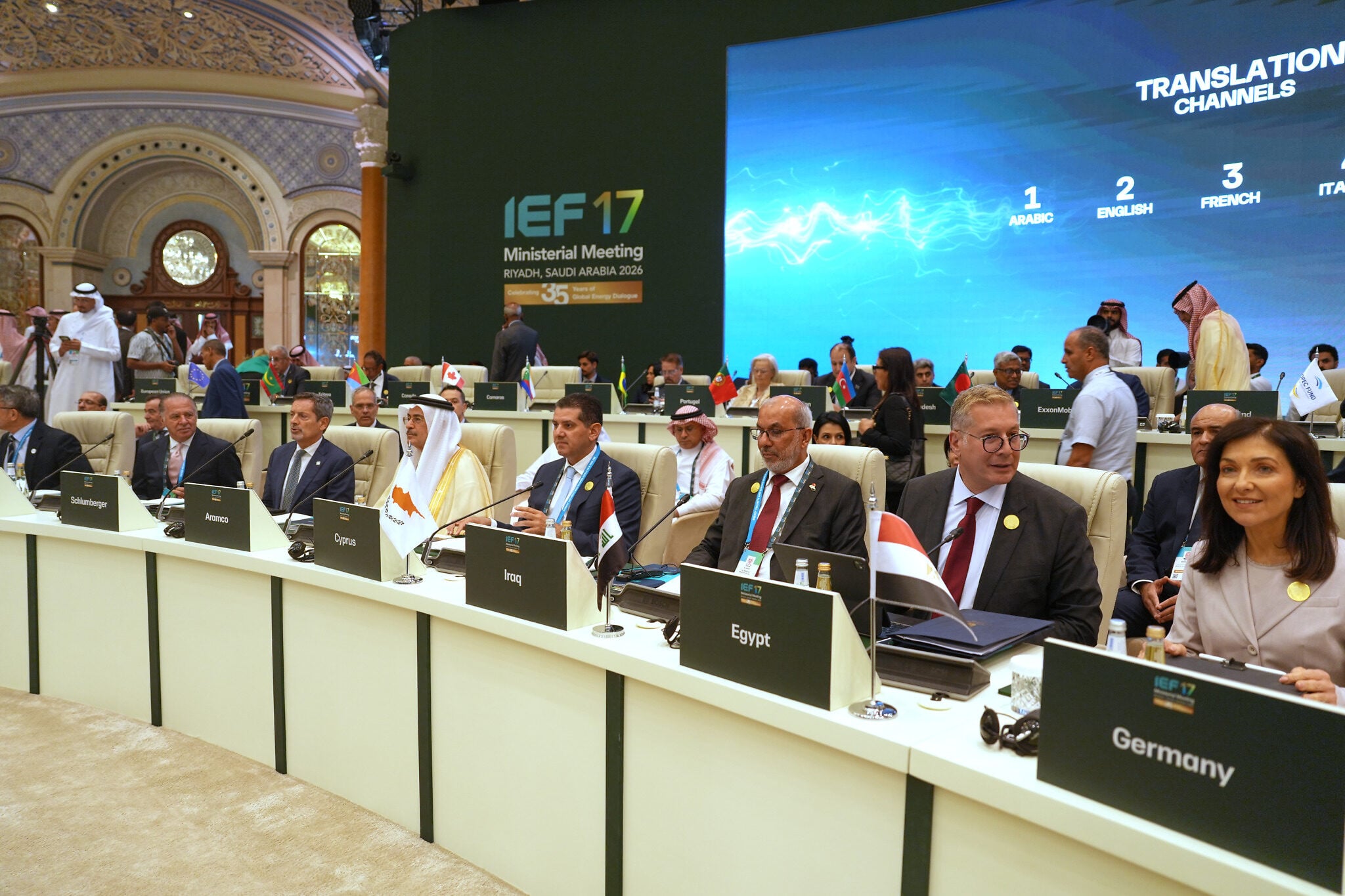
Saturday’s airport attack, the deadliest in the kingdom since a 2015 suicide bombing, came on the eve of the country’s high-profile convention and entertainment season, with the WPC Energy Congress opening in Riyadh on Sunday.
Authorities previously kept citizens occasionally informed through text-message alerts of impending attacks. But those warnings have recently stopped, leaving many citizens wary.
On Saturday, worried diplomatic missions complained of not being regularly briefed by Saudi officials. Several embassies advised their citizens to avoid the Riyadh airport hours before Saudi authorities issued their first official statement.




The Times of Israel Community.