

Shekel is world’s 3rd-worst performer as investors fret over Israel’s political paralysis
Fears of coalition deadlock, fresh elections and delays to critical budget decisions have sent the currency tumbling more than 8% against the US dollar since eve of October 27 vote

 Add ToI as a Preferred Source on Google
Sharon Wrobel is a tech reporter for The Times of Israel
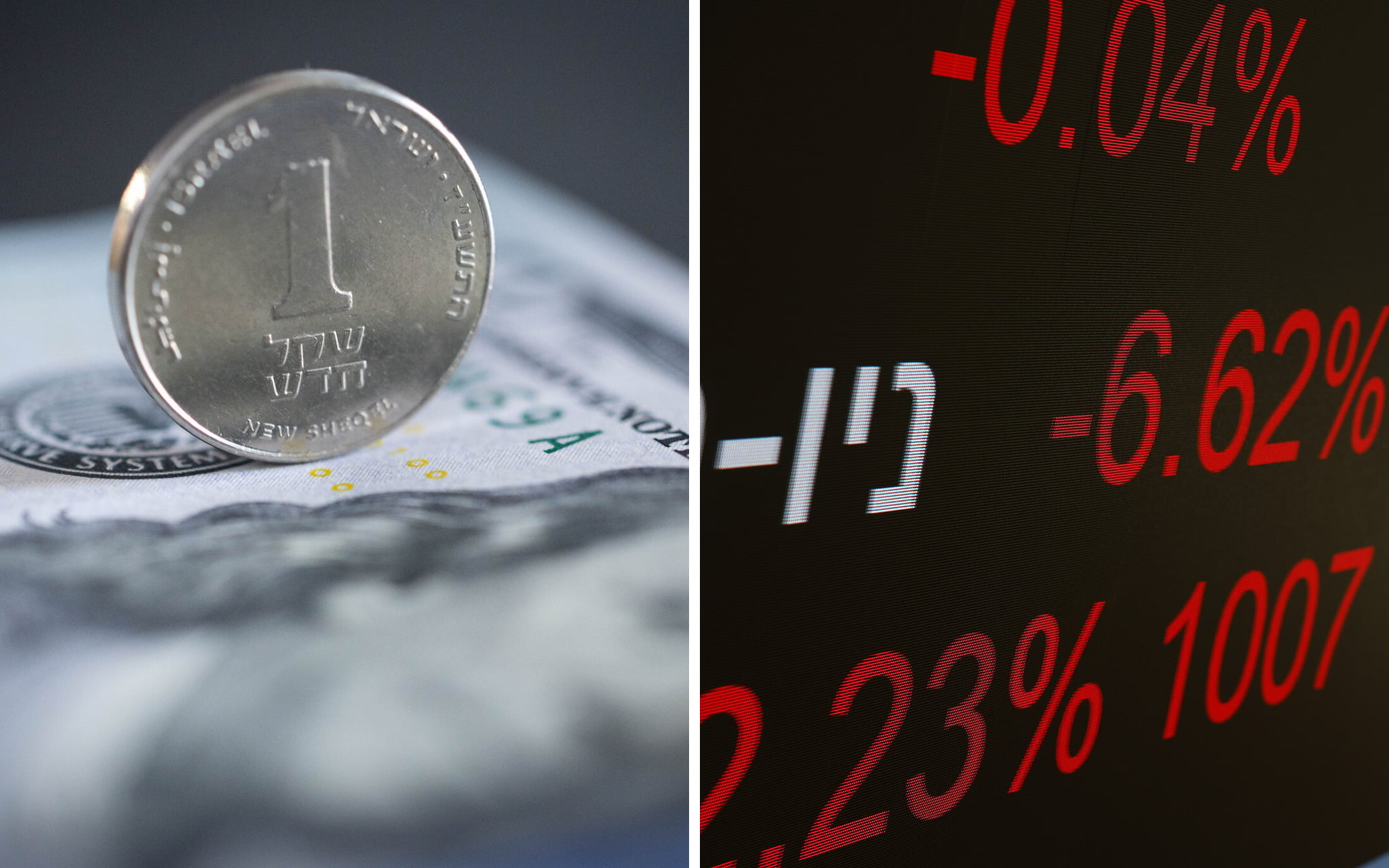
The shekel has suffered the third-biggest loss globally since the eve of the October 27 Knesset election, better only than Colombia’s peso and Brazil’s real among 31 widely traded currencies, as investors grow increasingly concerned that a prolonged political stalemate could delay the formation of a stable government.
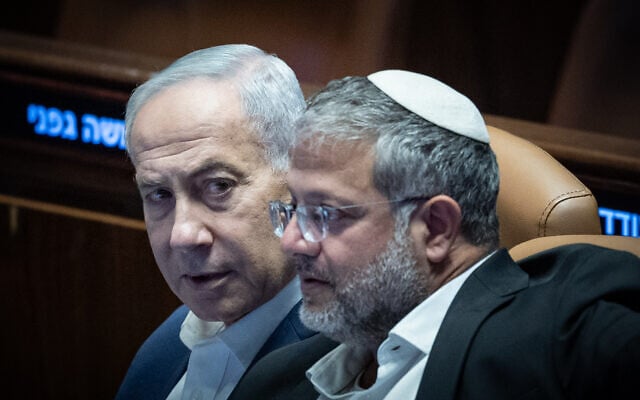
The local currency has plunged more than 8 percent against the US dollar since Israelis went to the polls at the end of last month, reversing a pre-election shekel rally fueled by bets that Prime Minister Benjamin Netanyahu’s tenure would end and that a market-friendly coalition would emerge. Instead, the election produced no clear path to a change in government.
Coalition talks led by Yashar party leader Gadi Eisenkot, who received the mandate from President Isaac Herzog earlier this month, have entered a third week without significant progress so far. Eisenkot has until December 6 to assemble a coalition, with the possibility of a two-week extension. After that — assuming Netanyahu won’t receive the mandate himself, or will receive it but fail to cobble together a coalition — there will be three weeks in which any lawmaker can declare they have secured a 61-strong majority for a coalition. If those 21 days end without such an announcement, repeat elections will be automatically triggered.
Last week, the shekel lost 4.5% against the US currency, closing around NIS 3.34 per dollar on Friday, its weakest close since September 2025. A combination of factors, led by the domestic political deadlock, has driven the local currency’s slide, according to Bank Hapoalim chief economist Modi Shafrir.
“Israel’s risk premium has climbed as political uncertainty deepens and markets fear that Eisenkot will be unable to form a government or that a unity government will not emerge, raising the prospect of repeat elections and the risk of significant sanctions imposed on Israel,” Shafrir cautioned.
Shafrir noted that the recent global dollar rally was also contributing to shekel weakness, with the US Dollar Index (DXY), a gauge of the dollar’s global strength, rising by about 2% so far in November. The sharp sell-off in US stocks is also forcing Israeli institutional investors, whose Wall Street holdings have shrunk in value, to rebalance by buying dollars and reducing their shekel exposure, he said.

Israeli equities have also come under pressure. The benchmark TA-125 index has fallen 4.7% this month, but is still up 2.4% from the start of 2026.
If Eisenkot can’t assemble a parliamentary majority, another election would be the most likely outcome, with Netanyahu remaining at the helm of a caretaker government, said Leader Capital Markets chief economist Jonathan Katz. Israel has been through such cycles before, holding five elections between 2019 and 2022 before Netanyahu’s hard-right religious bloc received a parliamentary majority and formed a government that served a full four-year term.
The outgoing Netanyahu-led government has been widely criticized for its economic and diplomatic policies, including allocating funds to special-interest groups, particularly the ultra-Orthodox, in exchange for political backing; failing to provide sufficient support for military reservists who have suffered financially while serving for extended periods; and mismanaging Israel’s image abroad, resulting in diplomatic isolation, boycotts, and economic and financial sanctions.
“Following the election result, there was disappointment that a stable government is difficult to establish and probably maintain, and therefore we saw markets sold off,” said Katz. “Since then, despite a lot of talk, there doesn’t seem to be a clear path for the formation of a coalition which can survive.”
Foreign investors largely underweight Israel and are holding off until they see greater political clarity, Katz said. Shafrir, who met foreign banks and hedge funds in London earlier this month, said politics came up in almost every meeting.
“Foreign investors know Israel’s political landscape well and view the stability of the next government as just as important as its formation before increasing their exposure to the local market,” said Shafrir. “There is broad agreement that if Eisenkot succeeds in forming a government, the immediate reaction will be a sharp strengthening of the shekel.”
However, should another election round be triggered, foreign investors raised concerns that negative global sentiment toward Israel would persist, potentially curbing investments and, in a more extreme scenario, lead to significant sanctions imposed on the economy and the financial system, Shafrir said.
Mizrahi Tefahot Bank chief markets economist Ronen Menahem said investors are closely watching coalition negotiations that would lead to the formation of a stable government capable of providing budgetary certainty and a clear fiscal outlook. Any delay or deadlock, he said, will remain a catalyst for volatility in the local financial market.
The absence of a stable government also threatens to delay crucial budgetary spending priorities and decisions for funding of services and investments, with potentially far-reaching economic consequences, the Israel Democracy Institute warned.
“When an election fails to produce a clear outcome and the government remains in a caretaker capacity, it is likely that the state budget will not be approved,” said Daphna Aviram-Nitzan, head of the IDI Center for Governance and Economy. “The implications extend beyond simply reducing government spending — it would also become difficult to adjust budgetary priorities to the changing needs of the economy.”
“The absence of an approved state budget signals to domestic and foreign investors that uncertainty in Israel persists, which could discourage businesspeople, delay decision-making, and even tip the balance in favor of investing in other countries that offer greater certainty and stability,” said Aviram-Nitzan.






The Times of Israel Community.