

Turkey, Saudi Arabia agree on major regional railway line bypassing Israel
Ankara touts deal that would curb Jerusalem’s influence, as lack of Israeli-Saudi normalization stalls progress on an India-Europe trade corridor passing through Jewish state
Michael Bachner is a news editor at The Times of Israel

Turkey and Saudi Arabia signed landmark agreements Tuesday for a new railway line connecting the countries via Syria and Jordan, aiming to extend it in the future to Oman to serve as an overland trade route bypassing the Strait of Hormuz, a central oil trade route currently blockaded by the US and Iran amid their war.
Ankara boasted that the project would reduce Israel’s regional influence, and various commentators said the development sidelined the Jewish state’s attempts to set up railway trade routes from East Asia to Europe passing through the country.
While Israel and the US in 2023 backed an ambitious plan to link India with the Middle East, Israel and Europe, this has hinged on a normalization agreement being signed between Jerusalem and Riyadh. Extensive US efforts to broker such a deal have stalled as the Saudis have demanded irreversible progress toward establishing a Palestinian state as a precondition, while Prime Minister Benjamin Netanyahu’s hard-right government has rejected this out of hand.
The two separate memorandums of understanding signed Tuesday by Turkey and Saudi Arabia are seen as a revival of the Hejaz railway, which ran from Medina to Istanbul in the early 20th century, with branches in Lebanon and in Haifa in Ottoman-era Palestine.
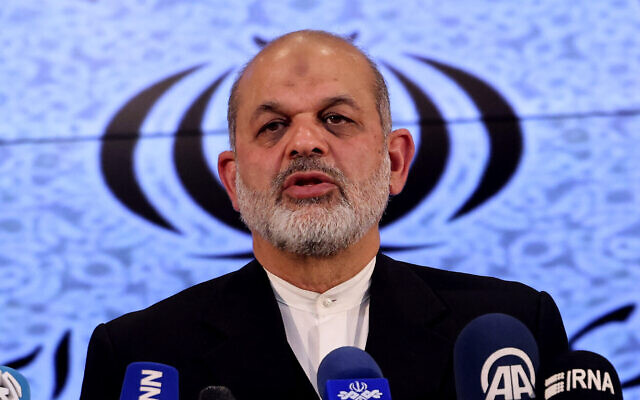
According to various regional media outlets, as Turkey’s Transportation and Infrastructure Minister Abdulkadir Uraloglu traveled to Riyadh to sign the agreements, Ankara’s Trade Minister Ömer Bolat met Syrian Economy and Industry Minister Mohammad Nidal al-Shaar in Gaziantep, near the border between the two countries.
“The reduction of Israel’s influence in the region, together with increased political and economic solidarity among us, will bring economic prosperity, peace and stability to the Middle East, the Gulf and Türkiye’s southern borders,” Bolat boasted.
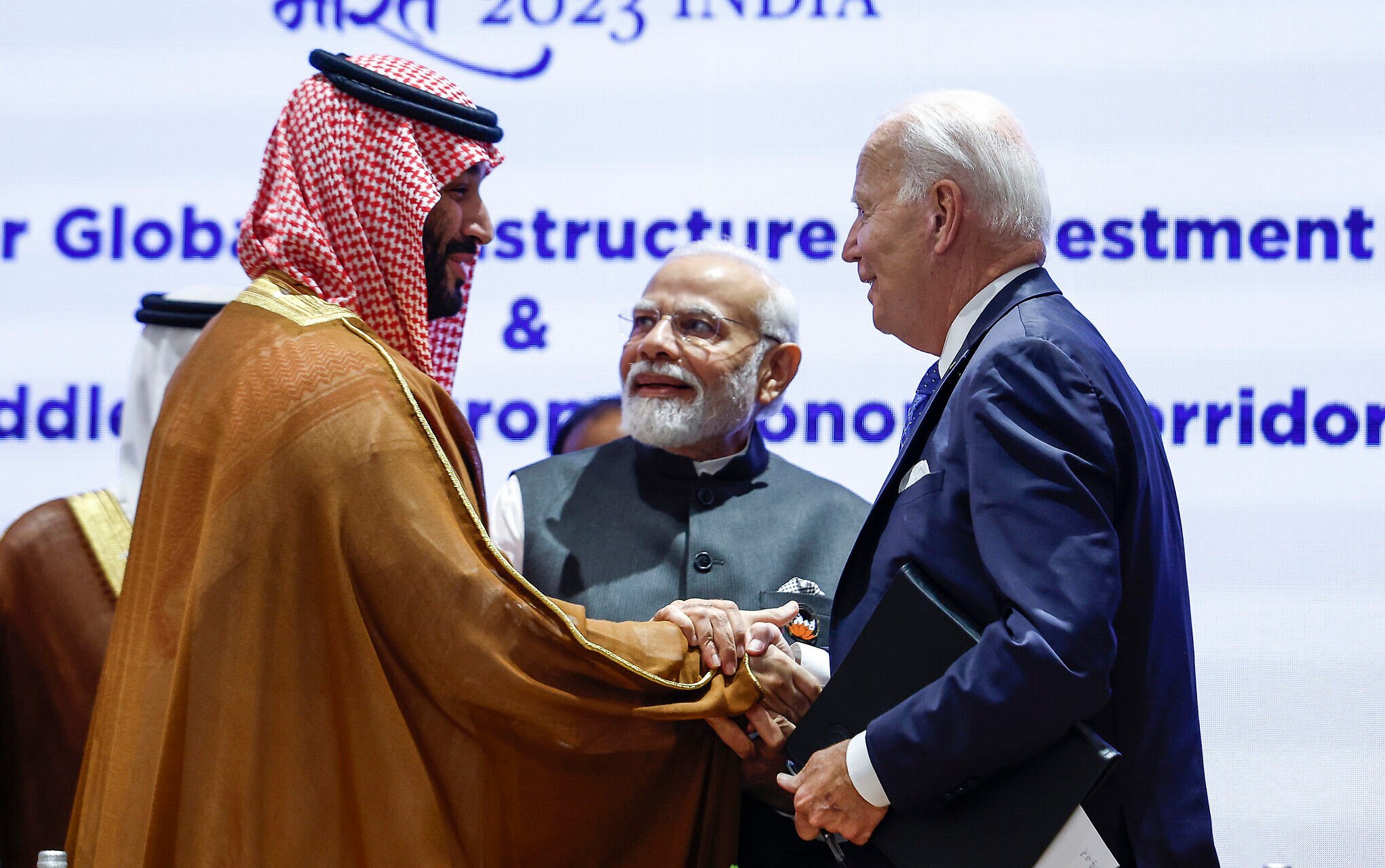
Observers similarly described the initiative as a blow to Israel.
Former US diplomat Hady Amr said it “deliberately bypasses Israel and the UAE.”
A Facebook page with almost 900,000 followers run by fans of Saudi Crown Prince Mohammed bin Salman presented it as a “fatal blow to one of Israel’s most strategically significant economic projects,” referring to the India–Middle East–Europe Economic Corridor, known as IMEC. The post claimed that “the Israel-India-UAE axis has been destroyed.”
While the new initiative aims to establish a major overland alternative to the Strait of Hormuz, some Israeli firms already established smaller routes through Saudi Arabia early in the regional war sparked by Hamas’s October 7, 2023, onslaught in order to bypass a chokehold imposed by Yemen’s Iran-backed Houthis on the strategic Bab al-Mandab Strait in the Red Sea.








The Times of Israel Community.