

Upcoming round of Israel-Lebanon talks delayed from next week until October – US official
Lebanese president confirms ‘no new talks with Israel at the present time’; as Israel prepares for elections and Hezbollah vows not to disarm, Israeli official cites scheduling conflict
 Add ToI as a Preferred Source on Google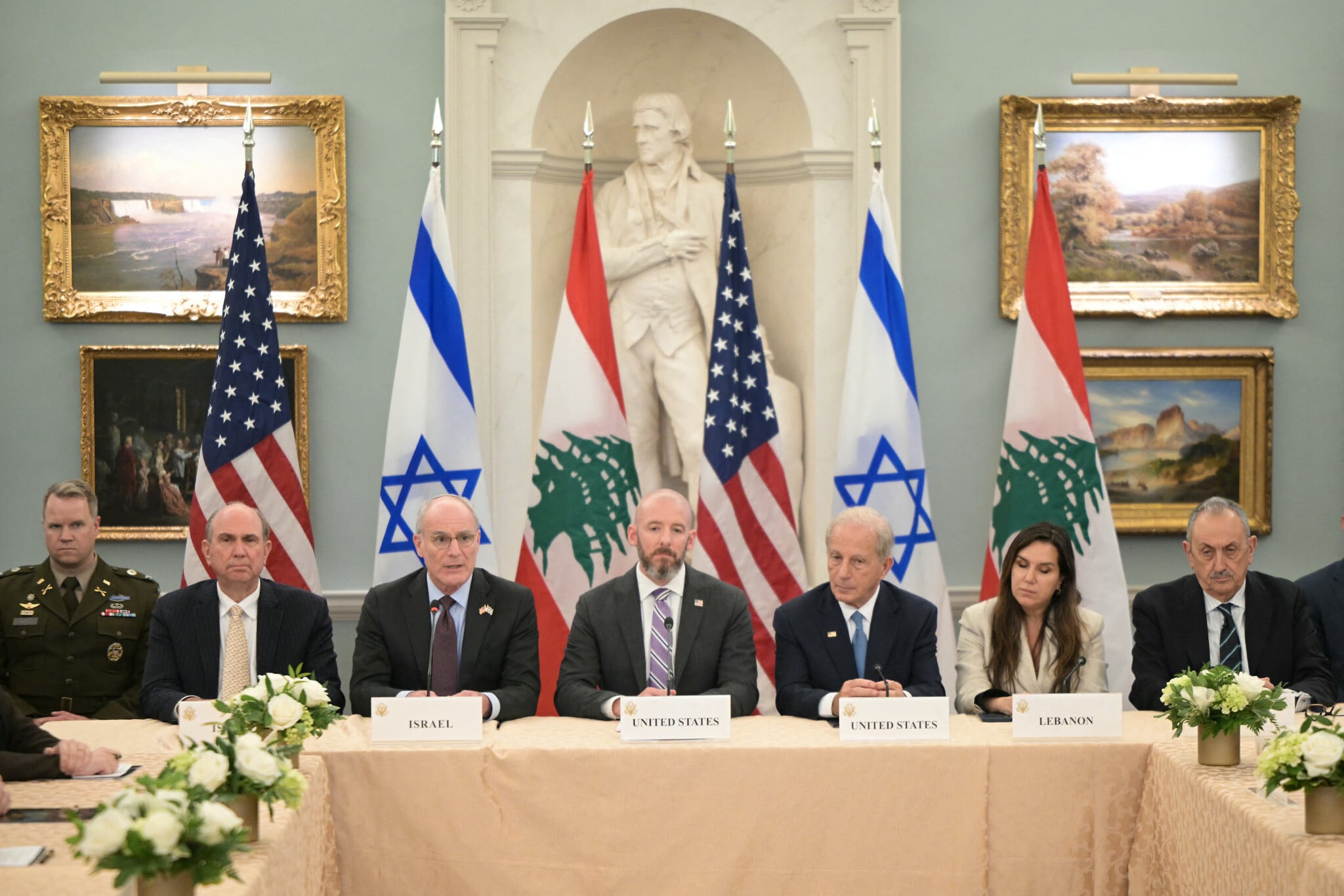
The next round of US-mediated talks between Israel and Lebanon has been pushed off until next month, a State Department official said Saturday.
The next round was supposed to take place next week in Rome but now will now be held in October, the official said, adding that the two countries’ ambassadors will still meet at the State Department to discuss implementing the framework deal meant to disarm the Hezbollah terror group and phase the IDF out of southern Lebanon.
Scheduling conflicts led to the delay, an Israeli official said, though the development suggested slowing momentum amid Israel’s upcoming elections and Hezbollah’s refusal to comply.
Lebanese President Joseph Aoun confirmed “there are no new talks with Israel at the present time,” according to comments carried by local media from a trip he made Saturday to south Lebanon’s Nabatieh with the commander of Lebanon’s armed forces.
The postponement comes after a Lebanese official told The Times of Israel this week that “indiscriminate” IDF strikes in southern Lebanon were undermining Beirut’s efforts to disarm Hezbollah, while Jerusalem argued that the Lebanese Armed Forces is not yet up for the task.
Israel says its strikes target Hezbollah members and infrastructure, including weapons depots intended for attacks on Israel.
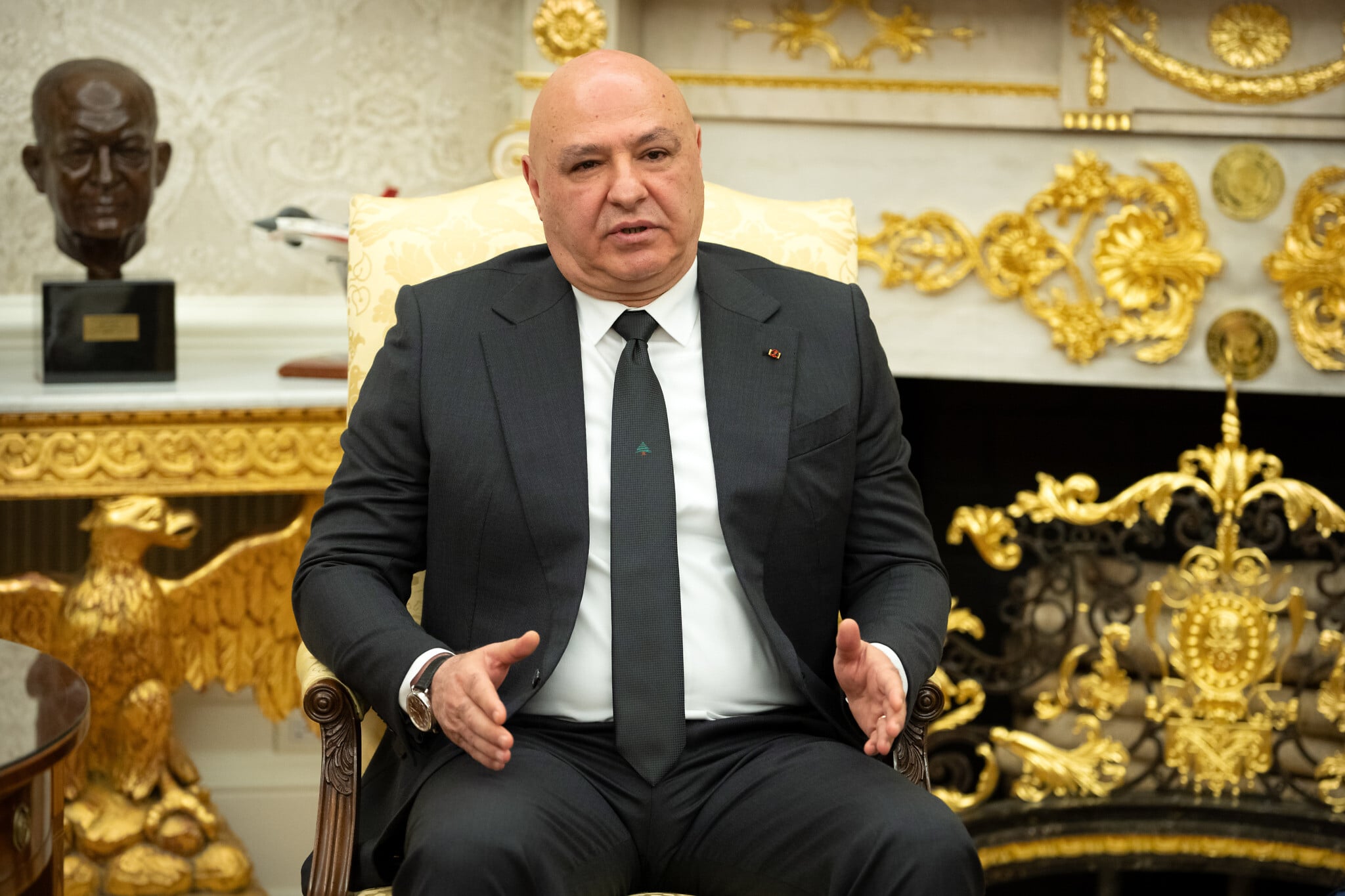
Jerusalem has generally defended the destruction in parts of southern Lebanon by arguing that Hezbollah has riddled many of the villages along Israel’s northern border with tunnels and other terror infrastructure.
But comments from Defense Minister Israel Katz boasting about completely flattening dozens of villages and pledging to remain in southern Lebanon indefinitely have given additional ammunition to critics of the Lebanese government’s engagement with Israel, who claim that Jerusalem has territorial ambitions in the country.
Hezbollah again drew Lebanon into the broader Middle East conflict in March by launching rockets and drones at Israel in support of its sponsor Iran, which had come under attack by a US-Israeli air campaign. Israel responded to the Hezbollah attacks with a heavy air campaign and ground invasion.
Fighting has persisted despite a ceasefire declared in Lebanon in April, but at a reduced rate. Israeli forces continue to operate inside a self-declared “security zone,” which runs around 10 kilometers (six miles) deep inside Lebanese territory along the border.
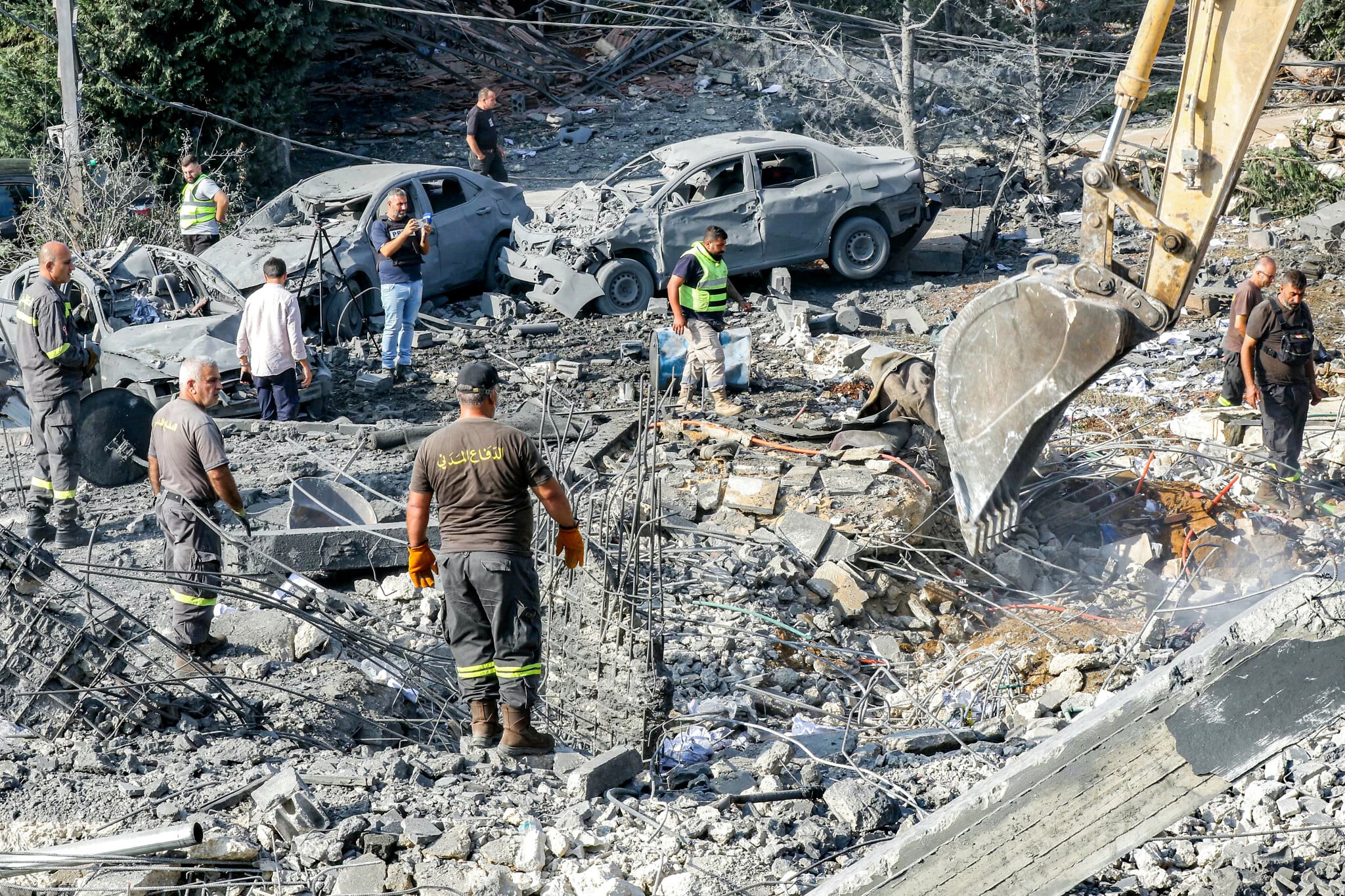
In June, Israel and Lebanon signed a framework agreement committing Lebanon to restoring sovereignty over its territory through the “verified disarmament of non-state armed groups,” which would in turn enable a progressive Israeli withdrawal. The State of Lebanon, along with Israel and the US, signed the agreement, but Hezbollah and its allies are opposed to it.
Israel pulled forces out of three pilot zones into which the Lebanese army entered, but has said it will not carry out any further withdrawals before Hezbollah is disarmed.
On Thursday, the IDF said it had demolished a “strategic” underground facility belonging to Hezbollah beneath a mountainous ridge in southern Lebanon.
The Ali Taher Ridge is located within Israel’s southern Lebanon buffer zone, near Nabatieh. According to the Israel Defense Forces, the tunnel systems under Ali Taher served as the “nerve center” of the terror group’s Badr regional division — a unit tasked with the area of southern Lebanon that is north of the Litani River.








The Times of Israel Community.