

With all votes counted, Netanyahu’s bloc has 53 seats, Eisenkot’s 48, Arab parties 19
Official turnout was 77.9%, with 5,716,665 total votes cast; Central Elections Committee reiterates that investigation into alleged voter fraud ‘will not affect final results’
 Add ToI as a Preferred Source on Google
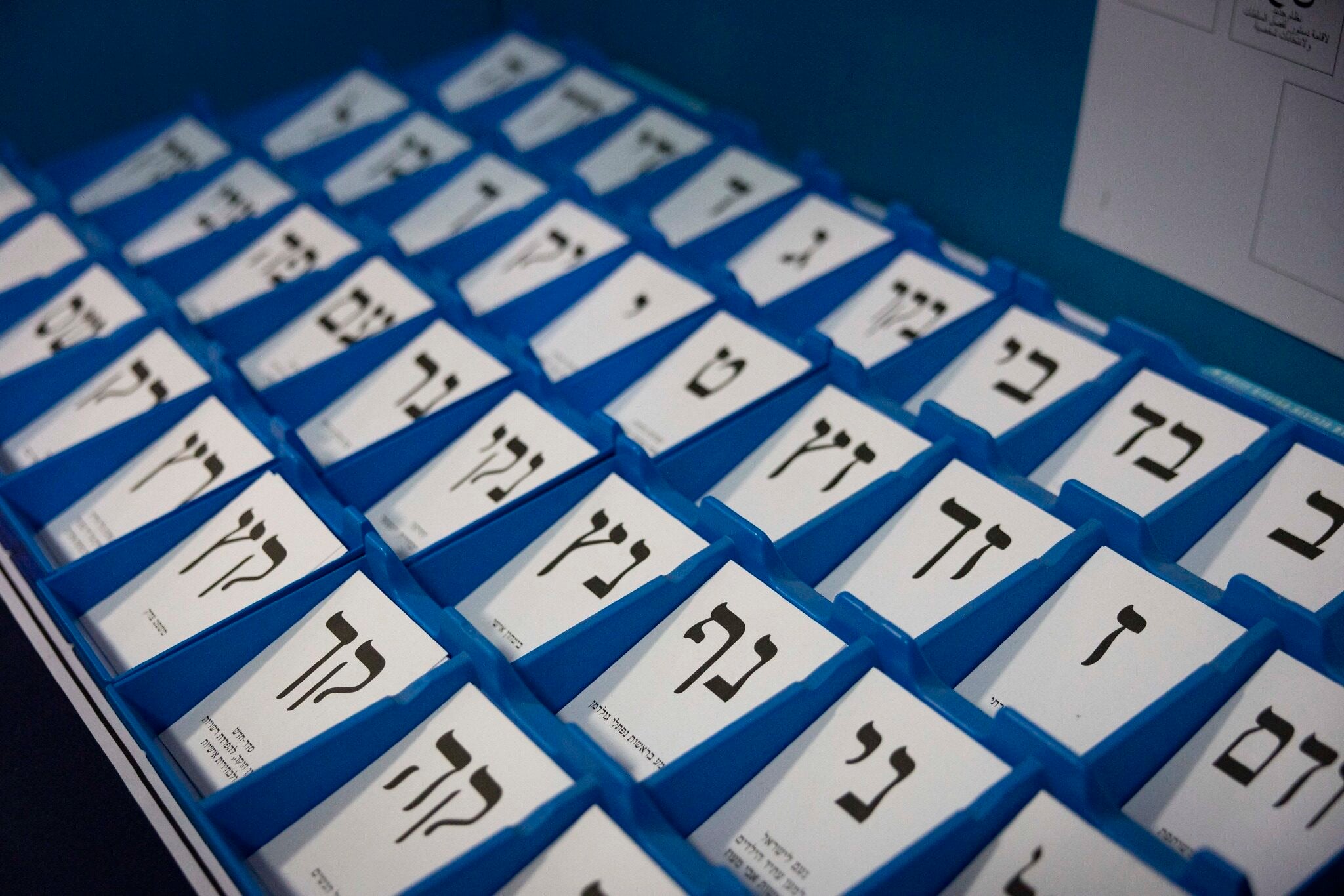
The Central Elections Committee (CEC) published the final results of the 2026 national election in the early hours of Friday morning.
The full official results are slated to be presented to President Isaac Herzog on Wednesday, after the CEC completes any final inquiries into errors or complaints. Following that, Herzog will meet with each party leader as they issue their recommendation for the person they believe should form the next government.
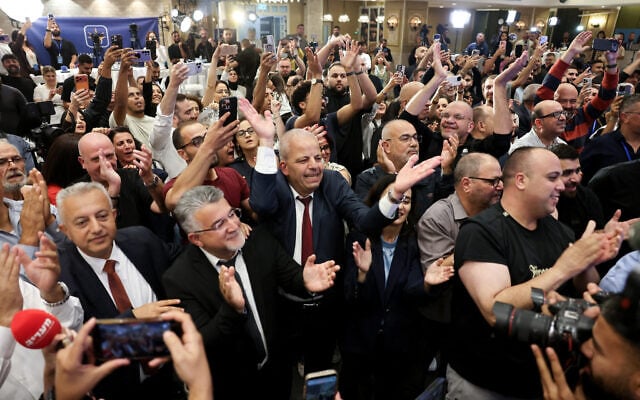
The final voter turnout was 77.9% of eligible voters — the highest figure in decades — with 5,716,665 votes cast.
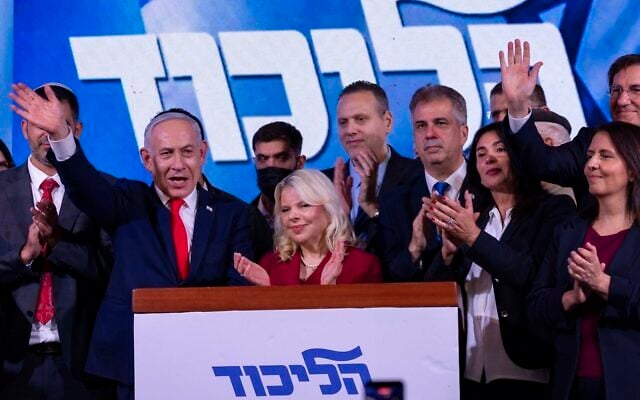
The final results give Likud 27 seats, Yashar 21, B’Yachad 12, the Joint List 11, The Democrats 8, Ra’am 8, Yisrael Beytenu 7, United Torah Judaism 7, Otzma Yehudit 7, Shas 6 and Religious Zionism 6.
Yoaz Hendel’s Reservists-Economic party fell below the 3.25% electoral threshold with 2.63% of the vote, along with Ofer Winter’s People of Israel, which had collected just 1.7% of the vote. The Charedi Public, a longshot party that had offered an alternative vision to Israel’s ultra-Orthodox communities, was far below the threshold, with just 0.2% of the vote.
These results leave the pro-Netanyahu bloc with 53 seats, the anti-Netanyahu bloc with 48 and the Arab factions with 19. The parties in the pro-Netanyahu bloc, which comprise the current government, held 68 seats in the outgoing Knesset, marking a significant drop.
The Arab-led parties — the Joint List and Ra’am — won an all-time high of 19 seats, an all-time high and almost double their current 10 seats. This would be more than enough to tip the anti-Netanyahu bloc into a comfortable majority, if all Zionist bloc members except The Democrats hadn’t ruled out cooperating with Ra’am or the Joint List.
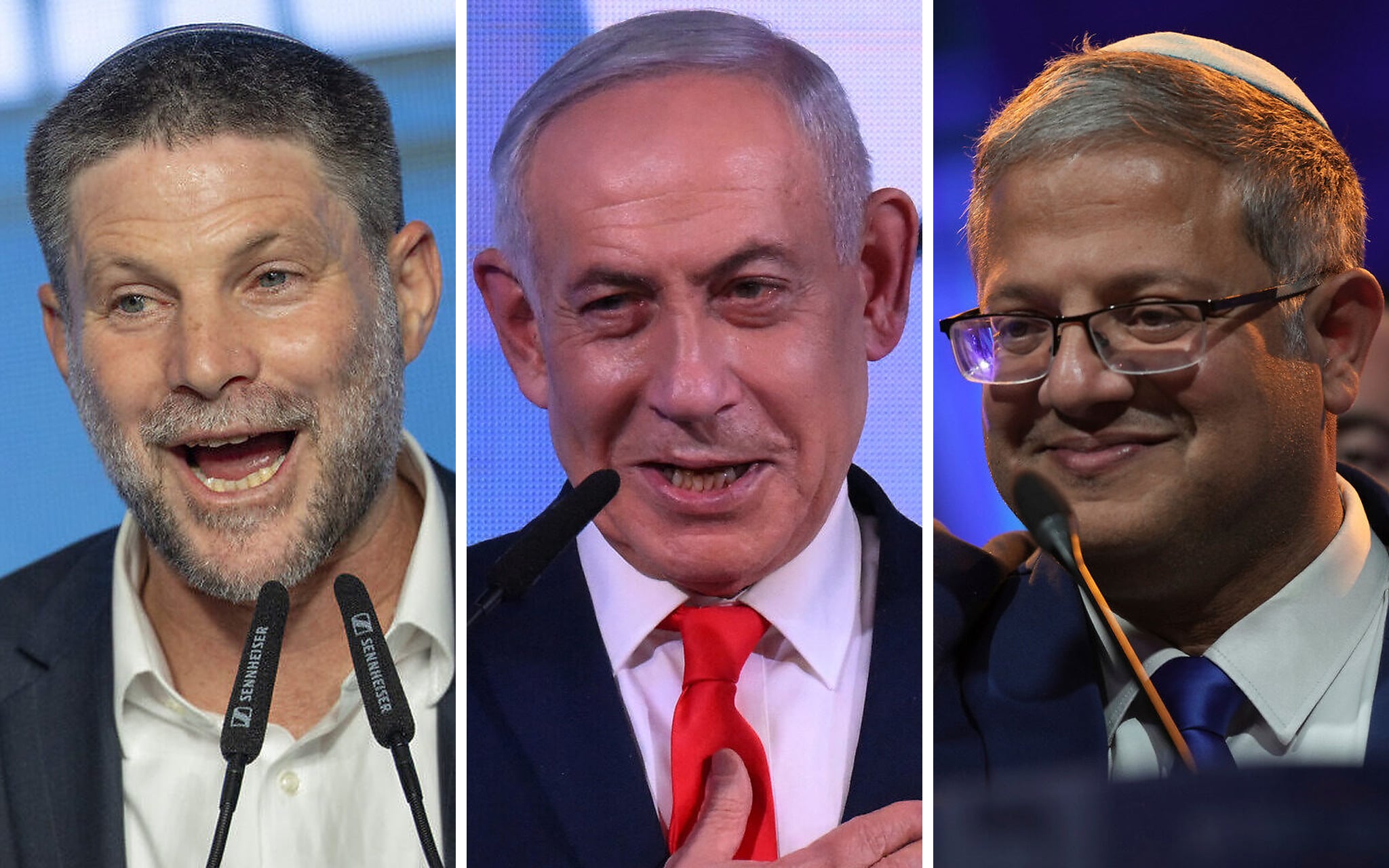
In its statement early Friday morning, the CEC reiterated comments made by acting director Dean Livne earlier Thursday, rejecting claims of widespread voter fraud amid reports of a possible Qatari campaign to influence the vote.
“Reports published throughout the day are entirely unfounded,” Livne said, noting that the investigation “will not affect the final results submitted to the president, nor does it concern any particular sector of the population.”
The Knesset is slated to be sworn in on November 10, regardless of efforts to form the next government, which are predicted to be bumpy and could extend for more than two months, with neither side close to the 61-seat majority required.
On Wednesday, Herzog urged party leaders to do everything possible to avoid another round of elections: “We must do everything we can, certainly after yesterday, to avoid another round of elections. So I expect everyone who comes here to come with an open mind,” he said.
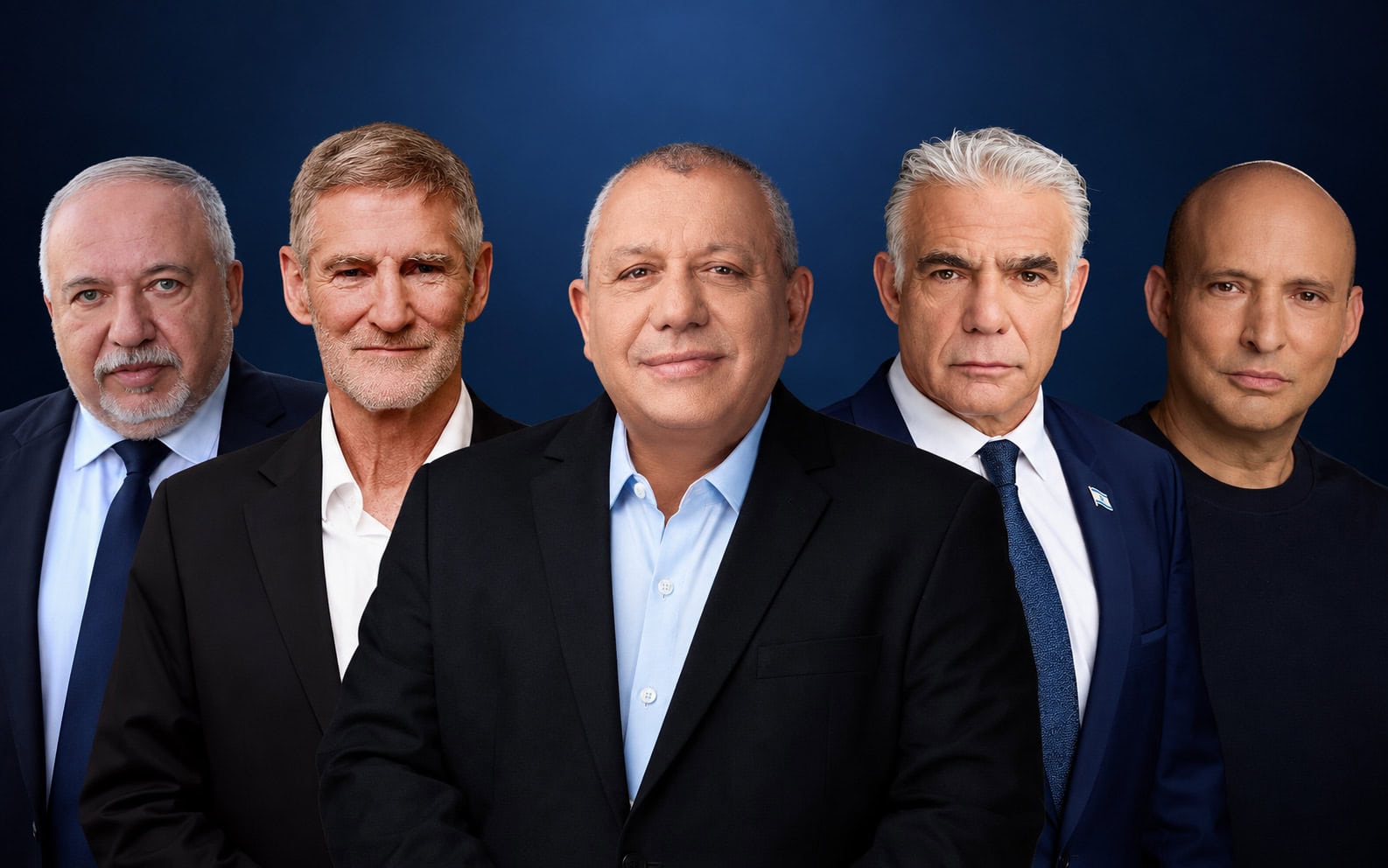
Both Netanyahu and Eisenkot have vowed that they will be the one to form the next government.
The election on Tuesday took place four years after the end of a three-year period in which Israel repeatedly went to the polls five times, with the first four failing to produce stable governments.





The Times of Israel Community.